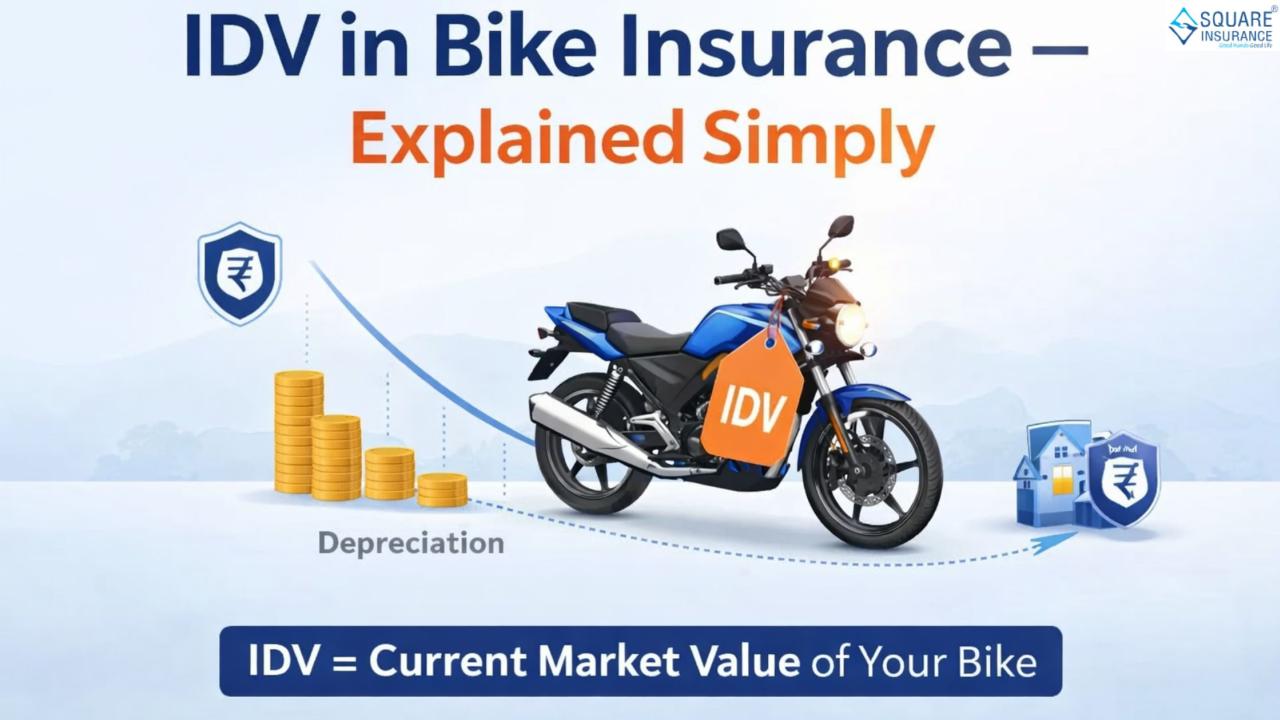
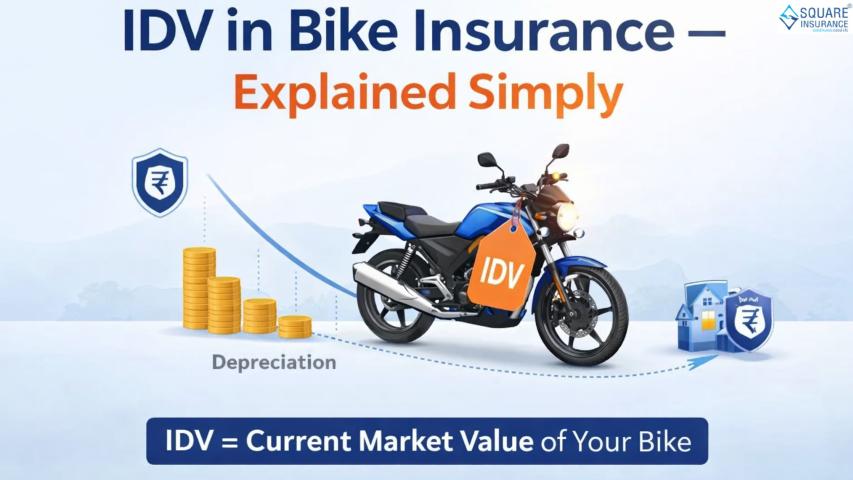
What is IDV in Bike Insurance It is the Insured Declared
Value, which represents the current market value of your bike and the maximum
amount your insurer will pay if the bike is stolen or completely damaged.
Many bike owners focus only on getting the lowest premium while buying
insurance, but understanding IDV is equally important. It directly affects how
much compensation you will receive during a claim. Knowing how IDV works can
help you avoid financial loss and choose the right policy.
What is IDV in Bike Insurance?
IDV, or Insured Declared Value, is the estimated value of your bike based on
its age and depreciation. It is the maximum sum insured provided by the
insurance company in case of total loss or theft.
In simple words, IDV is the amount you will get if your bike is no longer
repairable or goes missing. It acts as the financial safety net of your
insurance policy.
Why IDV Matters in Bike Insurance
IDV is not just a technical term; it plays a crucial role in your insurance
coverage.
First, it determines your claim amount. If your bike is stolen or completely
damaged, the insurer will pay you based on the IDV mentioned in your policy.
Second, it affects your premium. A higher IDV increases your premium, while
a lower IDV reduces it.
Third, it ensures proper financial protection. Choosing the wrong IDV can
either lead to higher costs or insufficient claim benefits.
How IDV is Calculated
The IDV of a bike is calculated by taking the manufacturer’s selling price
and reducing it based on depreciation. As your bike gets older, its value
decreases, and so does the IDV.
For example, if you purchase a bike and use it for a few years, its market
value naturally drops. Insurance companies apply standard depreciation rates to
calculate this reduced value.
For older bikes, especially those more than five years old, IDV is usually
decided through mutual agreement between the insurer and the policyholder.
Simple Example to Understand IDV
Imagine you bought a bike for ₹1,00,000. After two years of usage, its value
decreases due to depreciation.
Now, if the calculated IDV becomes ₹80,000, this means ₹80,000 is the
maximum amount you will receive if your bike is stolen or declared a total
loss.
This example shows how IDV reflects the real-time worth of your bike.
Factors That Affect IDV
Several elements influence how your bike’s IDV is determined.
The age of the bike is the most important factor. Older bikes have lower IDV
due to higher depreciation.
The brand and model also matter. Premium or high-demand bikes may retain
value better.
Location plays a role too, as market value can vary from city to city.
If your bike has additional accessories or modifications, they can also
impact the IDV if declared properly.
Choosing the Right IDV
Selecting the correct IDV is very important for getting the best insurance
benefits.
If you choose a very low IDV, your premium will be cheaper, but your claim
amount will also be lower. This can result in financial loss during emergencies.
If you choose a very high IDV, you will pay a higher premium without
receiving extra practical benefits.
The best approach is to choose an IDV that closely matches your bike’s
current market value. This ensures a balance between cost and protection.
IDV in Different Types of Bike Insurance
IDV is mainly applicable in comprehensive bike insurance policies. These
policies cover theft, total loss, and damages to your own vehicle.
In contrast, third-party insurance does not include IDV. It only covers
damages caused to others and does not compensate for your bike’s loss.
This is why comprehensive insurance is often recommended if you want
complete protection.
Can You Change IDV?
Yes, you can adjust the IDV within a certain range when buying or renewing
your policy.
Insurance providers usually allow a small flexibility to increase or
decrease the IDV. This helps you manage your premium and coverage according to
your needs.
However, it is important to make changes wisely and not compromise on
protection.
IDV and Total Loss Situations
A bike is considered a total loss when the cost of repairing it exceeds a
certain percentage of its value. In such cases, repairing the bike is not
practical.
When this happens, the insurer pays the full IDV amount after applicable
deductions. This makes IDV extremely important, as it defines the compensation
you receive.
Tips to Get the Best Out of IDV
Always review your bike’s IDV at the time of policy renewal.
Do not choose insurance based only on low premium.
Ensure all accessories are declared for accurate valuation.
Compare different policies to understand how IDV impacts coverage.
Keep your bike’s usage and condition in mind while selecting IDV
Frequently Asked Questions (FAQs)
1. What is IDV in bike insurance?
IDV is the current market value of your bike and the maximum amount you can
claim if it is stolen or completely damaged.
2. Why is IDV important?
It determines both your insurance premium and the claim amount you will
receive.
3. Can I reduce IDV to save money?
Yes, but reducing it too much can result in lower compensation during
claims.
4. Does IDV change every year?
Yes, IDV decreases over time due to depreciation.
5. Is IDV applicable in third-party insurance?
No, IDV is only applicable in comprehensive bike insurance policies.
6. What happens if my bike is stolen?
You will receive the IDV amount mentioned in your policy after claim
approval.
7. Can I increase IDV during renewal?
Yes, within a limited range, you can adjust IDV during renewal.
Conclusion
Understanding IDV is essential for making informed decisions about your bike
insurance. It directly impacts how much financial protection you get in case of
theft or total loss.
Instead of focusing only on saving money through lower premiums, it is
better to choose an IDV that reflects the actual value of your bike. This
ensures you are adequately covered when it matters the most.
When exploring insurance options, Square Insurance can help you compare
plans and select the right IDV so that you get the perfect balance between cost
and coverage.