Introduction: The Rise of AI in Travel Industry
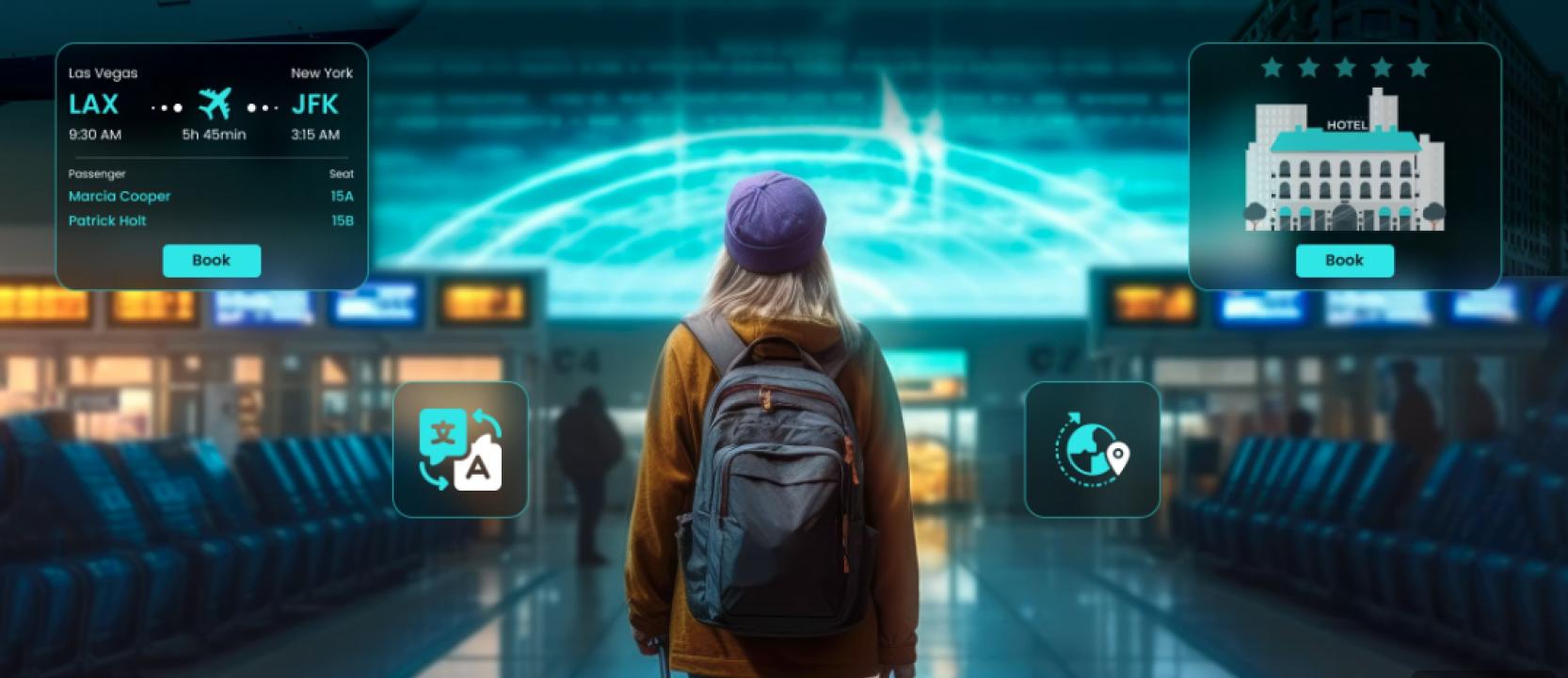
The ai in travel industry is reshaping how travelers plan, book, and experience their journeys. From personalized recommendations to intelligent customer support, artificial intelligence is helping travel companies deliver faster, smarter, and more tailored services. As global travel demand continues to grow, businesses are increasingly relying on AI-driven solutions to manage complexity, improve efficiency, and enhance customer satisfaction.
The integration of AI in travel industry is not limited to automation alone. It is about leveraging data to understand traveler behavior, predict demand, and optimize every stage of the travel journey. Whether it’s booking flights, choosing accommodations, or navigating destinations, AI is playing a crucial role in making travel more seamless and enjoyable. This technological shift is enabling travel companies to stay competitive in an industry that is highly dynamic and customer-centric.
Understanding AI in Travel Industry and Its Role
AI in travel industry refers to the use of advanced technologies such as machine learning, natural language processing, and predictive analytics to improve travel-related services. These technologies analyze large volumes of data to identify patterns, generate insights, and support decision-making across various travel operations.
In practice, AI is used across multiple touchpoints in the travel ecosystem. It powers recommendation engines that suggest destinations, automates booking systems, enhances customer service through chatbots, and supports backend operations like pricing optimization and demand forecasting. By integrating AI in travel industry workflows, businesses can deliver more efficient, personalized, and scalable services to travelers worldwide.
Personalized Travel Experiences with AI in Travel Industry
One of the most impactful applications of AI in travel industry is personalization. Modern travelers expect experiences that are tailored to their preferences, and AI makes this possible by analyzing user data such as search history, booking patterns, and preferences.
AI-driven platforms can recommend destinations, hotels, flights, and activities based on individual interests. For example, a traveler interested in adventure tourism may receive suggestions for hiking destinations, while someone seeking luxury travel may be shown premium accommodations. This level of personalization enhances user satisfaction and increases the likelihood of bookings, making AI a valuable tool for travel companies aiming to improve engagement and conversions.
AI Chatbots and Virtual Assistants in Travel Industry
AI chatbots have become an essential part of AI in travel industry strategies, providing real-time assistance to customers. These virtual assistants can handle queries related to bookings, cancellations, itinerary changes, and general travel information.
Using natural language processing, chatbots can understand customer questions and provide relevant responses instantly. They are available 24/7, ensuring continuous support without human intervention. This reduces response times, improves customer experience, and lowers operational costs. Voice-enabled assistants are also becoming popular, allowing travelers to interact with systems using voice commands for a more convenient experience.
AI in Travel Industry for Booking and Reservation Systems
Booking and reservation processes have been significantly improved with the adoption of AI in travel industry. AI-powered systems can analyze user preferences and behavior to simplify the booking journey and offer relevant options.
These systems can suggest the best travel packages, compare prices across platforms, and highlight deals that match user requirements. AI also helps reduce booking friction by automating steps and minimizing manual input. As a result, travelers can complete bookings faster and with greater confidence, while travel companies benefit from increased conversion rates.
Demand Forecasting and Pricing Optimization with AI in Travel Industry
Demand forecasting is a critical aspect of AI in travel industry, as it helps companies anticipate travel trends and adjust their strategies accordingly. AI models analyze historical data, seasonal patterns, holidays, and external factors to predict demand for flights, hotels, and other travel services.
This predictive capability also supports dynamic pricing strategies. Travel companies can adjust prices in real time based on demand, availability, and market conditions. For example, flight and hotel prices may increase during peak seasons and decrease during off-peak periods. AI ensures that pricing remains competitive while maximizing revenue and occupancy rates.
AI in Travel Industry for Customer Support and Experience Management
Customer support is a key area where AI in travel industry delivers significant improvements. AI-powered systems can handle a large volume of customer queries simultaneously, providing instant responses and resolving common issues without human intervention.
Beyond chatbots, AI can also analyze customer feedback, reviews, and interactions to identify areas of improvement. Sentiment analysis helps travel companies understand customer satisfaction levels and detect recurring concerns. This enables businesses to proactively enhance their services and deliver a better overall travel experience.
AI in Travel Industry for Route Optimization and Navigation
AI plays an important role in optimizing travel routes and navigation systems. By analyzing real-time data such as traffic conditions, weather, and transportation schedules, AI can recommend the most efficient routes for travelers.
This is particularly useful for ride-sharing services, airline operations, and logistics providers within the travel ecosystem. Optimized routing reduces travel time, minimizes delays, and improves overall efficiency. For travelers, this translates into smoother journeys and better time management.
AI in Travel Industry for Fraud Detection and Security
Security is a major concern in the travel industry, especially when it comes to online bookings and payments. AI helps detect fraudulent activities by analyzing transaction patterns and identifying anomalies.
AI systems can flag suspicious behavior, prevent unauthorized transactions, and enhance payment security. This not only protects travelers but also builds trust in digital travel platforms. By continuously monitoring activities, AI ensures that travel businesses maintain a secure environment for their customers.
AI in Travel Industry for Smart Recommendations and Itinerary Planning
AI-driven recommendation engines are transforming how travelers plan their trips. These systems can create personalized itineraries based on user preferences, travel duration, budget, and interests.
For example, AI can suggest a complete travel plan that includes flights, accommodations, sightseeing spots, and local experiences. This eliminates the need for manual research and simplifies the planning process. By offering curated recommendations, AI enhances convenience and helps travelers make informed decisions.
Benefits of AI in Travel Industry
The adoption of AI in travel industry brings numerous benefits, including improved customer experience, operational efficiency, and cost optimization. AI enables travel companies to automate repetitive tasks, reduce manual errors, and provide faster services.
Another key benefit is scalability. AI systems can handle large volumes of data and transactions without compromising performance. This is particularly important for global travel companies that manage millions of users. Additionally, AI supports better decision-making by providing actionable insights derived from data analysis.
Challenges in Implementing AI in Travel Industry
Despite its advantages, implementing AI in travel industry comes with certain challenges. High implementation costs can be a barrier for smaller travel businesses. Integrating AI systems with existing infrastructure may also require technical expertise and resources.
Data privacy and security are critical concerns, as travel companies handle sensitive customer information. Ensuring compliance with regulations and maintaining transparency is essential. Additionally, organizations may face challenges in training employees to effectively use AI tools and adapt to new workflows.
Future of AI in Travel Industry
The future of AI in travel industry is expected to be highly innovative, with continuous advancements in automation, personalization, and predictive analytics. AI will play an even greater role in creating seamless, end-to-end travel experiences for users.
Emerging trends include hyper-personalized travel planning, AI-powered virtual travel assistants, and fully automated booking systems. AI will also contribute to sustainable travel by optimizing routes, reducing waste, and improving resource utilization. As technology evolves, AI will continue to redefine how travel services are designed, delivered, and experienced.
Conclusion: The Growing Impact of AI in Travel Industry
The ai in travel industry is transforming the way travel businesses operate and how customers experience journeys. From personalized recommendations and intelligent chatbots to predictive pricing and route optimization, AI is enhancing every stage of the travel lifecycle.
While challenges such as implementation costs and data security exist, the long-term benefits of AI adoption are substantial. Travel companies that embrace AI are better positioned to improve efficiency, deliver superior customer experiences, and remain competitive in a rapidly evolving market. As the industry continues to advance, AI will remain a key driver of innovation, shaping the future of travel and tourism worldwide.