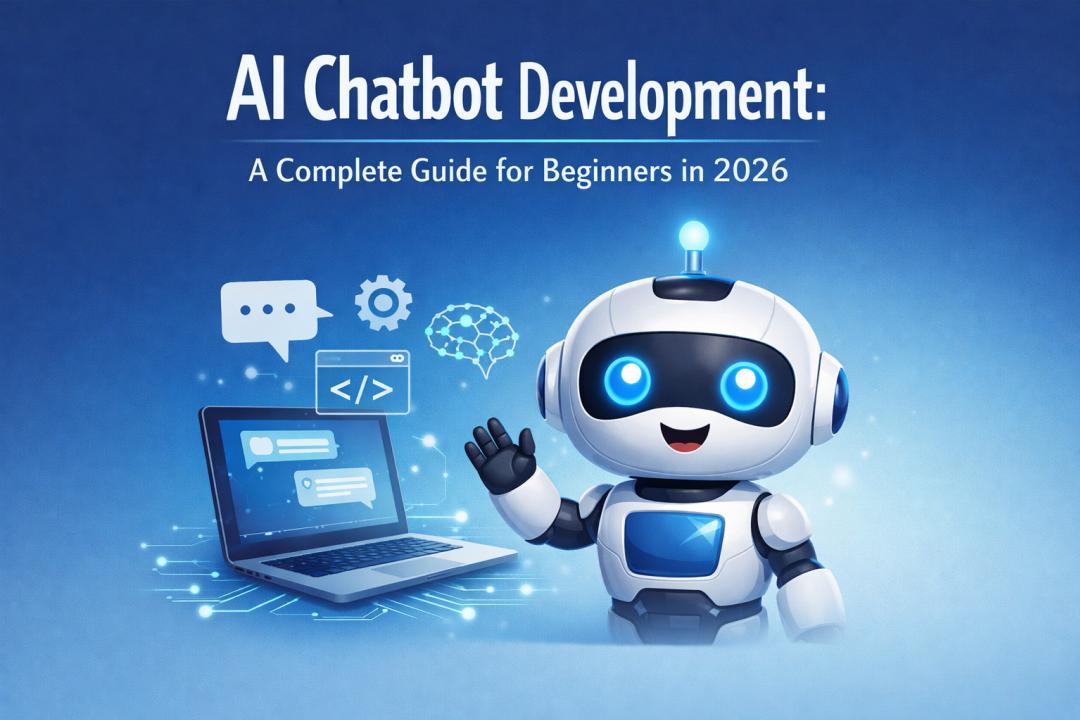
Artificial Intelligence (AI) chatbots have become an essential tool for businesses aiming to automate customer interactions, improve efficiency, and deliver personalised experiences. Whether you're a startup or an established enterprise, partnering with an experienced AI Development Company or building your own chatbot can significantly transform how you engage with users. This step-by-step guide will walk you through creating an AI chatbot from scratch.
Step 1: Define the Purpose of Your Chatbot
Before writing a single line of code, clarify why you need a chatbot. Is it for customer support, lead generation, e-commerce assistance, or internal operations? Defining the goal will determine the chatbot’s complexity, tone, and required features.
For instance, a customer service bot may need natural language understanding (NLU), while a simple FAQ bot might rely on predefined responses. Many businesses consult an AI Chatbot Development Company at this stage to align technical capabilities with business goals.
Step 2: Choose the Right Technology Stack
Building an AI chatbot requires selecting appropriate technologies. The core components include:
- Programming Language: Python is widely used due to its rich AI libraries.
- Frameworks: TensorFlow, PyTorch, or Rasa for building AI models.
- NLP Tools: Libraries like spaCy or NLTK for language processing.
- Backend & Hosting: Cloud platforms such as AWS, Azure, or Google Cloud.
If you're aiming for advanced conversational capabilities, working with a Trusted LLM Development Company can help you leverage large language models (LLMs) effectively.
Step 3: Design the Conversation Flow
A well-structured conversation flow is key to a successful chatbot. Map out user journeys and define how the bot should respond to different inputs.
Create:
- Intents: What the user wants (e.g., “book a demo”)
- Entities: Key details (e.g., date, location)
- Responses: Predefined or dynamic replies
Use flowcharts or chatbot design tools to visualise interactions. This step ensures your chatbot delivers a smooth and intuitive user experience.
Step 4: Build and Train the AI Model
Now comes the core development phase. Train your chatbot using datasets relevant to your use case.
Key actions include:
- Collecting and cleaning training data
- Labelling intents and entities
- Training NLP models
- Testing accuracy and refining responses
For more sophisticated bots, integrating LLMs can enhance contextual understanding and human-like responses. Many organisations rely on an AI Development Company to accelerate this process and ensure high performance.
Step 5: Develop the Backend Logic
The backend connects your chatbot to databases, APIs, and business systems. This enables the bot to perform real tasks such as retrieving account details, processing orders, or scheduling appointments.
Important backend features:
- API integrations
- User authentication
- Data storage and retrieval
- Business logic implementation
A scalable backend ensures your chatbot can handle increasing user interactions without performance issues.
Step 6: Create the User Interface
Your chatbot needs a platform where users can interact with it. This could be:
- A website chat widget
- A mobile app
- Messaging platforms like WhatsApp or Facebook Messenger
Focus on:
- Clean and intuitive design
- Fast response times
- Accessibility across devices
User experience plays a crucial role in chatbot adoption and satisfaction.
Step 7: Test and Optimise
Testing is essential before launching your chatbot. Evaluate it across different scenarios to ensure accuracy and reliability.
Testing includes:
- Functional testing
- NLP accuracy testing
- User acceptance testing
Collect feedback and continuously improve the chatbot’s responses and performance. Even after deployment, ongoing optimisation is necessary to maintain effectiveness.
Step 8: Deploy and Monitor Performance
Once your chatbot is ready, deploy it on your chosen platforms. After deployment, monitor key metrics such as:
- User engagement
- Response accuracy
- Completion rate of tasks
- Customer satisfaction
Analytics tools can provide valuable insights into how users interact with your chatbot. This data helps refine and scale your solution over time.
Step 9: Scale and Enhance with Advanced Features
As your chatbot evolves, consider adding advanced capabilities like:
- Multilingual support
- Voice interaction
- Sentiment analysis
- Personalisation using user data
Collaborating with a Trusted LLM Development Company can help you implement these advanced features efficiently and stay competitive in the AI landscape.
Conclusion
Building an AI chatbot from scratch involves careful planning, the right technology choices, and continuous optimisation. While it’s possible to develop one independently, partnering with an experienced AI Development Company can streamline the process, reduce risks, and deliver a more robust solution.
As AI technology continues to advance, chatbots are becoming smarter, more intuitive, and increasingly vital for business success. Whether you choose to build in-house or work with an AI Chatbot Development Company, investing in AI chatbot development is a strategic move toward future-ready digital transformation.