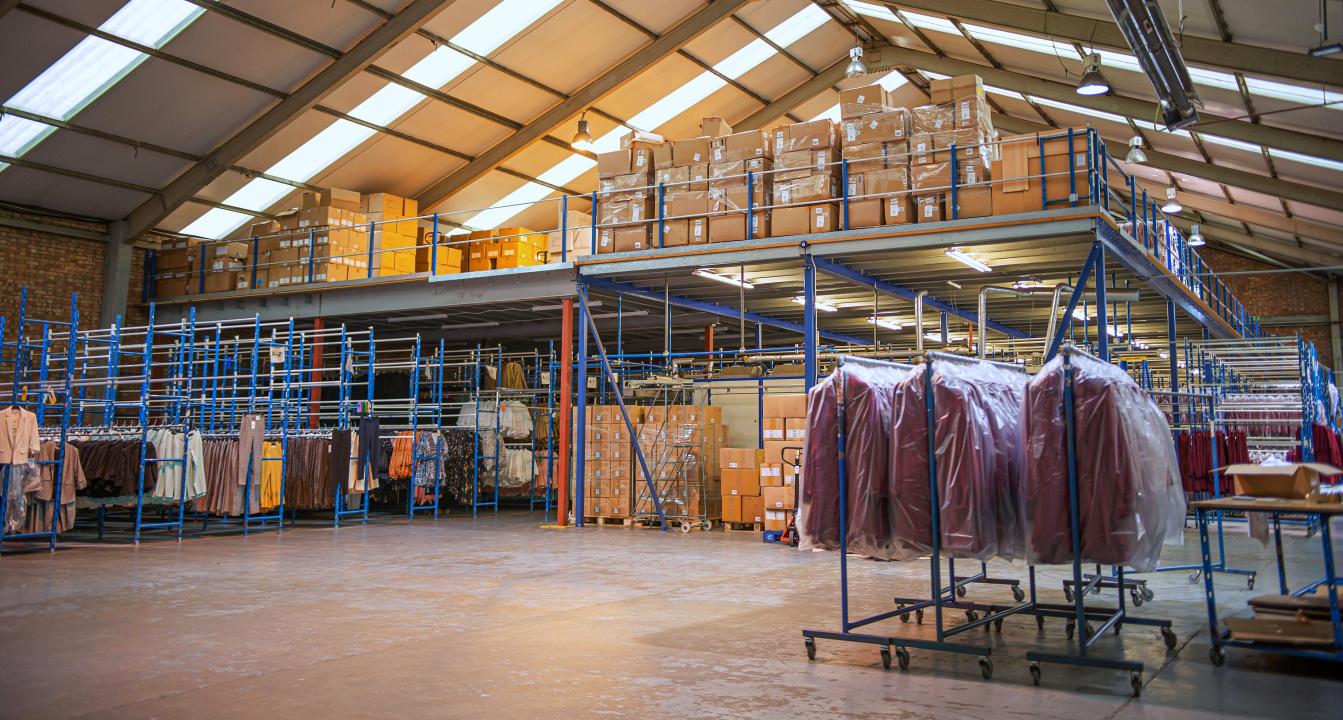
In today’s competitive fashion industry, brands often rely on outsourced partners to manage specialised services such as garment alterations. While outsourcing improves efficiency and scalability, it also introduces risks related to consistency, workmanship, and brand standards. This is where garment quality control services play a vital role. By implementing structured inspection and evaluation processes, brands can confidently assess outsourced garment alterations specialists and ensure that every finished product meets their expectations.
Garment alterations specialists focus on modifying garments to ensure the correct fit, appearance, and overall finish in line with brand expectations.
Establishing Clear Quality Standards
Garment quality control services help brands define and implement clear quality benchmarks for alterations. These standards include measurement accuracy, stitching quality, seam strength, and overall garment appearance. By setting detailed guidelines, brands can ensure that outsourced partners understand expectations from the outset. This structured approach reduces ambiguity and provides a measurable framework for performance evaluation.
Conducting In-Line and Final Inspections
One of the most effective ways to evaluate outsourced garment alterations specialists is through regular inspections. In-line inspections allow quality control teams to monitor work during the alteration process, identifying issues early and preventing large-scale errors. Final inspections, on the other hand, assess completed garments to ensure they meet brand specifications. Together, these checks provide a comprehensive view of the partner’s performance and reliability.
Assessing Consistency Across Production Batches
Consistency is critical in garment alterations, especially for brands managing large orders. Quality control services analyse multiple batches to ensure uniformity in fit, finishing, and presentation. Even minor variations can affect customer satisfaction and brand reputation. By tracking consistency over time, brands can determine whether an outsourced partner can maintain high standards at scale.
Identifying Defects and Areas for Improvement
Garment quality control services provide detailed reporting on defects such as uneven stitching, incorrect measurements, fabric damage, or poor finishing. These insights help brands identify recurring issues and assess the technical capabilities of their alteration partners. More importantly, they enable continuous improvement by offering actionable feedback that outsourced specialists can use to refine their processes.
Ensuring Compliance with Brand and Industry Standards
Beyond visual quality, alterations must also comply with brand guidelines and industry standards. This includes maintaining garment structure, preserving fabric integrity, and following approved alteration methods. Quality control services verify that outsourced partners adhere to these requirements, ensuring that the final product aligns with brand identity and regulatory expectations.
Supporting Data-Driven Decision Making
Quality control services generate valuable data that brands can use to evaluate performance objectively. Metrics such as defect rates, rework percentages, and inspection pass rates provide clear indicators of an alteration specialist’s reliability. This data-driven approach allows brands to compare multiple vendors, make informed outsourcing decisions, and build long-term partnerships with high-performing providers.
Reducing Returns and Enhancing Customer Satisfaction
Poor alterations can lead to ill-fitting garments, customer complaints, and increased returns. By rigorously evaluating outsourced specialists through quality control processes, brands can significantly reduce these risks. Consistently well-altered garments improve customer satisfaction, strengthen brand loyalty, and enhance overall product value in the market.
Building Stronger Supplier Relationships
Quality control is not just about identifying faults; it also fosters collaboration between brands and their outsourcing partners. Regular feedback, transparent communication, and shared quality goals help build trust and accountability. Over time, this leads to stronger relationships, improved performance, and more efficient operations across the supply chain.
Conclusion
Garment quality control services are essential for brands seeking to evaluate and manage outsourced garment alterations specialists effectively. By establishing clear standards, conducting thorough inspections, and leveraging performance data, brands can ensure consistent quality and minimise risks. In a market where fit and finish define customer satisfaction, investing in robust quality control processes enables businesses to maintain excellence, protect their reputation, and achieve long-term success.