Keeping your home comfortable year-round is no longer just about flipping a switch on your thermostat. Today’s homeowners are looking for efficient, cost-effective, and reliable cooling systems that align with both their comfort needs and energy goals. With rising temperatures and increasing energy costs, understanding your cooling options has never been more important.
Whether you're upgrading an outdated unit or exploring ways to improve your home's efficiency, modern cooling solutions offer a wide range of benefits that go far beyond basic temperature control.
Why Efficient Cooling Matters More Than Ever
Cooling systems account for a significant portion of a home's energy usage, especially in warmer regions. An inefficient system doesn't just struggle to keep your home comfortable—it can also lead to higher utility bills, frequent repairs, and a shorter equipment lifespan.
Modern air conditioning systems are designed with efficiency in mind. Advances in technology have made it possible to cool homes faster while using less energy. This means homeowners can enjoy consistent indoor temperatures without worrying about skyrocketing costs.
In addition to financial savings, efficient cooling systems also contribute to a reduced environmental footprint, making them a smart choice for eco-conscious households.
Signs Your Cooling System Needs an Upgrade
Many homeowners wait until their system completely fails before considering a replacement. However, recognizing early warning signs can save both time and money.
Here are some common indicators that it may be time to upgrade:
Frequent repairs: If you're constantly calling for service, replacement may be more cost-effective
Uneven cooling: Hot and cold spots throughout your home suggest inefficiency
Rising energy bills: Older systems often consume more power to deliver less cooling
Strange noises or odors: These can indicate internal damage or wear
System age: Most air conditioners last 10–15 years; beyond that, performance declines
Upgrading before a complete breakdown allows you to plan ahead and choose a system that best fits your needs.
Exploring Modern Cooling Options
Today's cooling systems offer a variety of features that improve both comfort and efficiency. Understanding your options can help you make a more informed decision.
Central Air Conditioning Systems
Central systems remain one of the most popular choices for whole-home cooling. They distribute cool air evenly through ductwork and are ideal for larger homes.
Ductless Mini-Split Systems
Perfect for homes without existing ductwork, ductless systems provide targeted cooling for specific rooms or zones. They are highly efficient and allow for customized temperature control.
Smart Thermostats and Automation
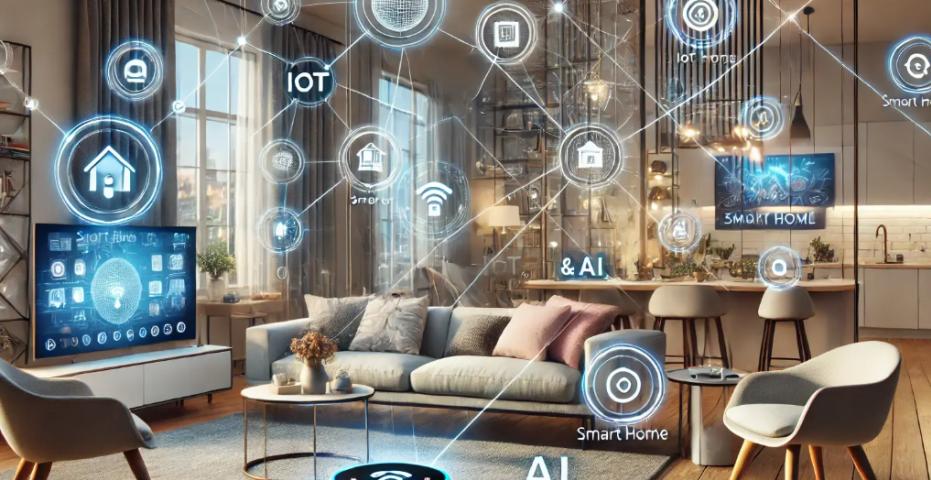
Smart thermostats have revolutionized how homeowners manage indoor comfort. These devices learn your habits, adjust temperatures automatically, and can be controlled remotely via smartphone apps.
Benefits include:
Energy savings through optimized schedules
Remote access and control
Integration with other smart home devices
Real-time energy usage insights
The Importance of Professional Installation and Maintenance
Even the most advanced cooling system won't perform well if it's not installed correctly. Proper sizing, placement, and setup are critical to ensuring optimal efficiency and longevity.
Routine maintenance is equally important. Regular inspections and tune-ups can:
Extend the life of your system
Improve energy efficiency
Prevent costly breakdowns
Maintain consistent indoor air quality
Working with experienced professionals ensures that your system operates at peak performance throughout its lifespan.
For homeowners seeking reliable guidance and services, exploring trusted providers likecainscoolair.com can offer valuable insights into selecting and maintaining the right cooling solution.
Tips for Maximizing Cooling Efficiency
Even with a high-performance system, there are simple steps you can take to improve efficiency and comfort in your home.
Optimize Your Home’s Insulation
Proper insulation helps retain cool air and reduces the workload on your system. Check areas like attics, walls, and windows for potential leaks.
Use Ceiling Fans Strategically
Fans help circulate air, making rooms feel cooler without lowering the thermostat.
Seal Air Leaks
Gaps around doors, windows, and ductwork can let cool air escape. Sealing these leaks improves efficiency and comfort.
Adjust Thermostat Settings
Setting your thermostat a few degrees higher when you're away can significantly reduce energy usage.
Schedule Regular Maintenance
Preventive care ensures your system runs efficiently and avoids unexpected breakdowns during peak seasons.
Looking Ahead: The Future of Home Cooling
As technology continues to evolve, the future of home cooling is becoming more intelligent and sustainable. Innovations such as variable-speed compressors, eco-friendly refrigerants, and AI-driven climate control systems are reshaping how we think about indoor comfort.
Homeowners are no longer limited to basic cooling—they now have access to systems that adapt to their life>
Conclusion
Investing in the right cooling solution is about more than just staying comfortable—it's about improving efficiency, reducing costs, and creating a healthier indoor environment. By understanding your options, recognizing when it's time to upgrade, and taking proactive steps to maintain your system, you can ensure reliable performance for years to come.
As you explore ways to enhance your home’s cooling capabilities, keeping informed and working with knowledgeable professionals will make all the difference in achieving lasting comfort and efficiency.