The Shift in Australian Residential Design
The landscape of Australian interior design is moving decisively away from flat, single-coloured painted walls. For decades, the default approach to decorating a property involved applying coats of stark white or cool grey paint to maximise the feeling of light. However, homeowners and design professionals now favour rich, immersive environments that convey a clear narrative and reflect a personal aesthetic. Rather than acting as a quiet background, walls have become the foundational layer of contemporary residential design, reflecting a broader desire for spaces that feel curated, intentional, and welcoming.
This movement towards character and texture is particularly relevant in Australian homes, which frequently feature expansive open-plan layouts. While these modern architectural >
Defining Spaces with Large-Scale Art
One of the most notable shifts in recent design trends is the transition from repetitive, small-scale prints to expansive, continuous imagery. The concept of a feature wall has evolved; it is no longer about simply painting one wall a different colour, but rather treating the surface as a large canvas for artwork.
The Impact of Scale and Narrative
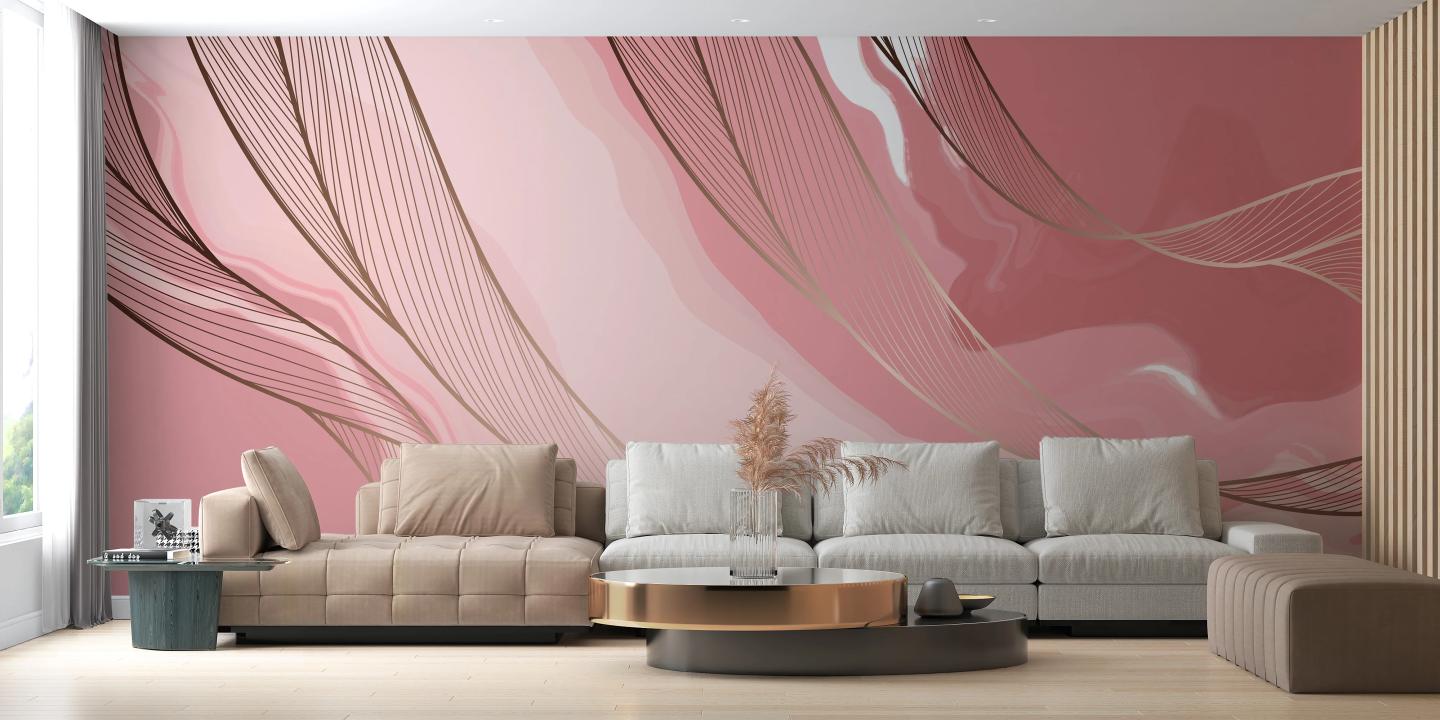
When you incorporate a large-scale mural wallpaper behind a main seating area, you instantly anchor the room. These sweeping scenes draw the eye and establish a distinct mood for the space. Whether depicting a soft, misty landscape, an intricate vintage map, or a bold geometric abstraction, a mural provides a focal point that guides the rest of the room's decor. Because these designs are continuous and do not repeat every few inches, they create a sense of vastness that can make a room feel larger and more open.
To ensure the walls lead the conversation, designers often pair these dramatic scenes with low-profile furniture and sculptural, minimalist coffee tables. This balance allows the room to feel highly designed without becoming visually chaotic. Adding layered lighting, such as warm wall sconces or a statement floor lamp, highlights the artistic details of the mural, ensuring the scene comes alive during the evening hours. This careful coordination ensures that the art does not just sit on the surface but actively participates in the room's atmosphere.
Biophilic Influences and Natural Connections
Connecting indoor environments with the natural world remains a powerful force in modern architecture and decoration. This approach, known as biophilic design, goes far beyond simply placing a few potted plants on a windowsill. It involves integrating the colours, forms, and textures of nature directly into the built environment to promote a sense of calm and well-being.
Bringing the Outdoors Inside
The latest iterations of this trend embrace what is being termed "biophilic maximalism". Instead of delicate, understated plant motifs, we are seeing a surge in ultra-detailed, large-scale botanical artwork. Integrating a richly patterned flower wallpaper into your home brings an unprecedented expressive force to the room. These designs often feature deep, saturated background colours like midnight blue, emerald green, or deep burgundy, which beautifully contrast with the vibrant hues of blooming flora and lush greenery.
By utilising advanced digital printing techniques, these wall coverings capture every intricate detail, from the delicate veining of a leaf to the subtle gradients of a flower petal. Applying such a detailed, organic pattern in a lounge area creates an enveloping atmosphere that replicates the restorative effects of spending time outdoors, making the room an ideal sanctuary for relaxation and unwinding after a long day.
Embracing Contemporary Patterns and Textures
While maximalist botanicals offer drama, there is an equally strong movement towards tactile, sensory-driven finishes. Not every room requires a loud pattern; sometimes, the goal is to introduce subtle warmth and sophisticated depth.
Subtle Depth and Geometric Rhythms
For those who lean towards minimalist or industrial aesthetics, incorporating a modern wallpaper with a textured or geometric finish is a highly effective strategy. Designs that replicate the look of natural linen, aged plaster, grasscloth, or brushed concrete add necessary warmth without relying on busy motifs. These tactile finishes play beautifully with natural light, creating soft shadows that change throughout the day.
Additionally, we are seeing a resurgence of retro-inspired geometrics—such as soft arches, rhythmic stripes, and layered checks—reimagined in earthy, contemporary colour palettes like terracotta, moss green, and ochre. These patterns bring a structured yet playful energy to a room, working beautifully alongside contemporary timber furniture—such as light oak and ash, which provide essential grounding. Adding warm metallic accents like aged brass or oil-rubbed bronze further enhances the lived-in luxury of the space, catching the light and highlighting the deeper tones within the wall covering. Tactile upholstery, such as heavy linens, bouclé, and velvet, layered against these modern designs, creates a rich, sensory experience that flat paint cannot achieve.
Designing for Open-Plan Living
Selecting the right living room wallpaper is crucial when dealing with open-plan layouts. The pattern you choose must harmonise with the adjoining kitchen or dining areas. Textured, tonal wall coverings perform exceptionally well in these environments, as they provide visual interest across large stretches of wall without competing with the cabinetry or fixtures in neighbouring zones. They provide a cohesive thread that ties the entire floor plan together seamlessly.
The Practicality of Flexible Decorating
Historically, applying wall coverings was considered a permanent, labour-intensive commitment. The process required specialist tools, pasting tables, and often professional installation. This permanency discouraged many homeowners—and completely excluded renters—from experimenting with bold designs.
A Decorating Revolution for Renters and Owners
The introduction of modern, removable materials has fundamentally changed how Australians decorate. Utilising an adhesive wallpaper allows anyone to update their space quickly and easily, without the mess of traditional paste. These peel-and-stick options are incredibly forgiving; if you misalign a panel during installation, you can peel it back and reposition it.
More importantly, these materials are designed to be entirely removable without damaging the underlying paintwork. This flexibility is a game-changer for the rental market, allowing tenants to personalise their living spaces without risking their security deposits. It also appeals to homeowners who love to update their interiors frequently as trends and personal tastes evolve. You can apply a bold, dark botanical print for the winter months to create a cosy, cocooning vibe, and easily switch it out for a light, textured linen look when summer arrives, ensuring your home always reflects your current >
FAQs:
Will dark patterns make an open-plan room feel smaller?
Not necessarily. While dark colours absorb light, they also create a sense of infinite depth. When applied to a single feature wall or used in a room with ample natural light, deep, saturated patterns can actually push the walls visually backwards, making the room feel more expansive and intimate rather than cramped.
How do I prepare my walls for peel-and-stick materials?
Thorough preparation is the secret to a flawless finish. The wall surface must be entirely smooth, clean, and completely dry. Any dust, grease, or uneven texture will prevent the adhesive from bonding correctly. If your walls have been freshly painted, you must allow the paint to cure fully—typically for at least four weeks—before applying the material to ensure it removes cleanly in the future.
Can textured wall coverings be used in homes with children or pets?
Yes, many contemporary textured designs are printed on durable, high-quality vinyl or non-woven substrates that are resilient enough for busy households. They are often wipeable, meaning that minor scuffs or fingerprints can be gently cleaned with a damp cloth and mild soap without damaging the finish.
Do I need to match the patterns exactly when joining panels?
Yes, achieving a seamless look requires aligning the pattern exactly where the panels meet. Most high-quality products are designed with a specific pattern repeat, and the manufacturer provides instructions on how to overlap or butt the edges together to maintain the continuity of the design across your wall.
Conclusion:
The way we approach interior decorating in Australia has shifted from cautious neutrality to a celebration of character, texture, and personal expression. By moving away from flat, painted surfaces and embracing the dynamic possibilities of large-scale artwork, biophilic motifs, and tactile finishes, you can create a lounge that feels intentionally crafted and deeply welcoming. The advent of high-quality, removable materials means that achieving this level of design sophistication is no longer a permanent or difficult commitment. Whether you are aiming to define an expansive open-plan space with a subtle, linen-look texture or inject vibrant energy into a cosy seating area with an immersive botanical scene, the right wall covering provides a powerful tool to reshape your home beautifully and effortlessly.