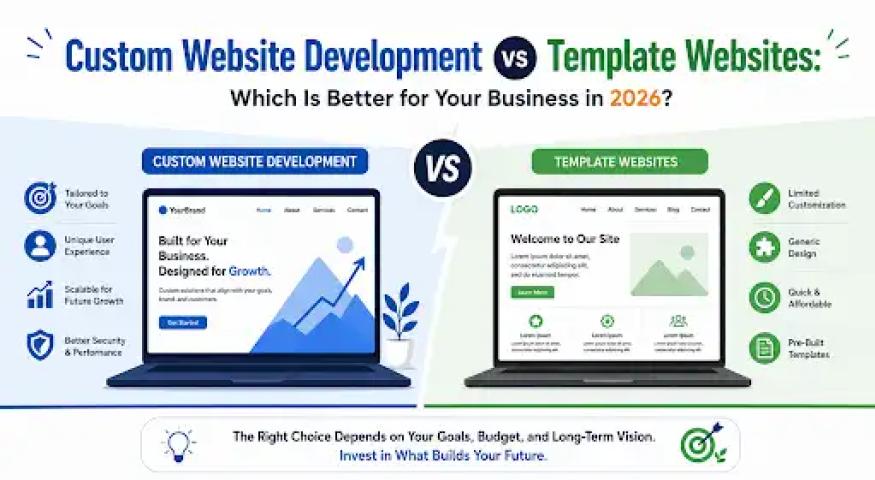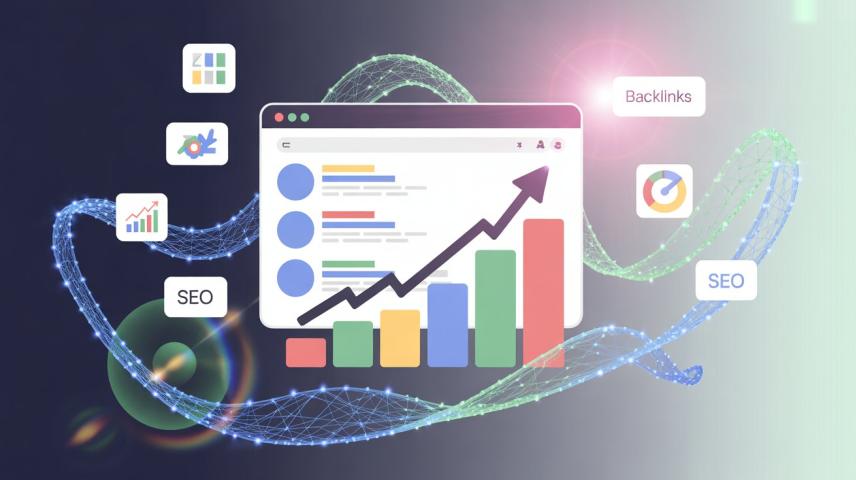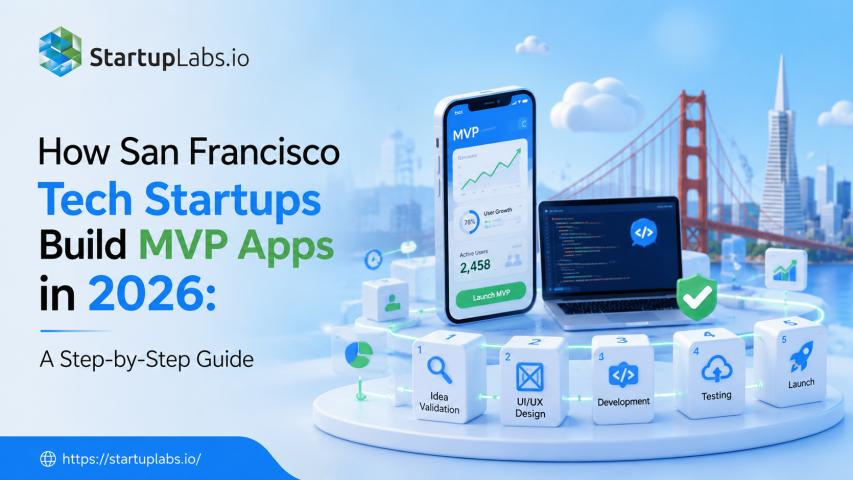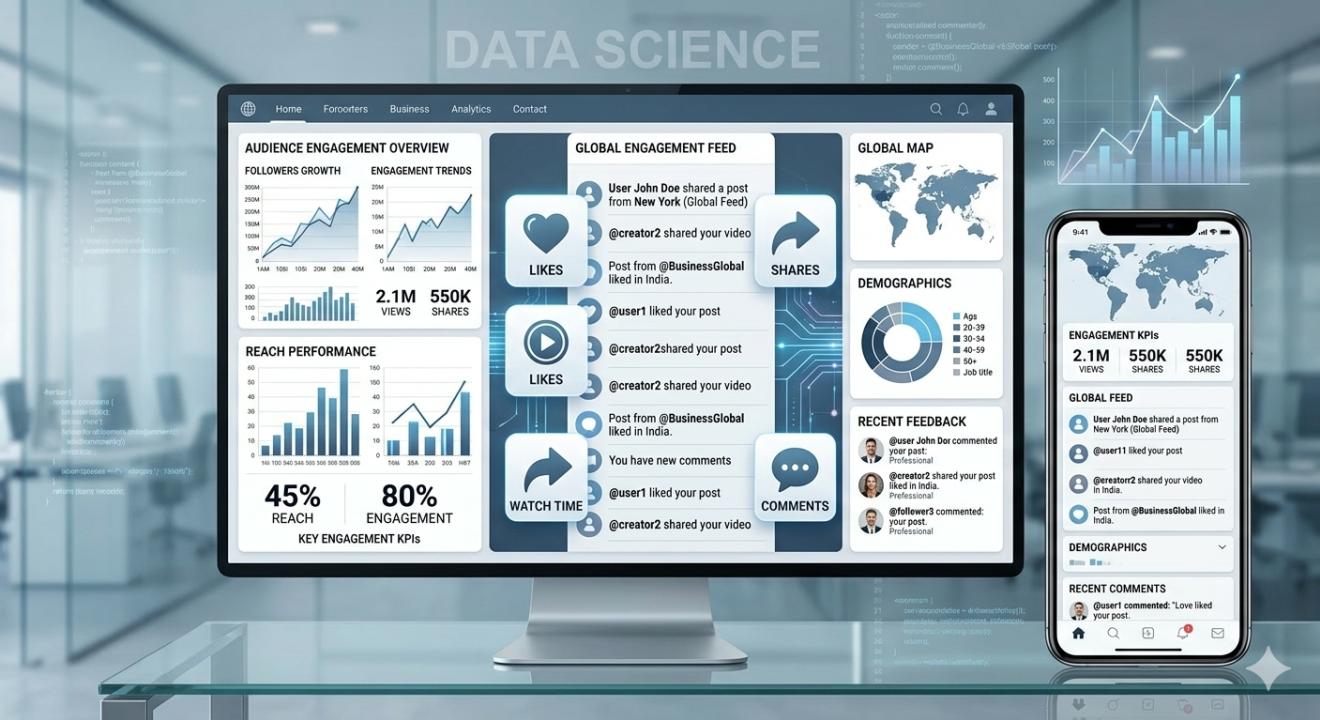

The digital landscape is evolving rapidly, and businesses must adopt the latest website development strategies to stay competitive. In 2026, a website is more than just an online presence—it acts as a powerful marketing platform that helps businesses attract customers, build credibility, and increase conversions.
Professional development teams like GearUp Code help companies build high-performance digital platforms through services such as website design and development, UI/UX design services, and modern web technologies.
Below are the most important website development trends businesses should follow in 2026.
1. AI-Powered Websites and Personalization
Artificial intelligence is transforming the way websites interact with users. AI allows websites to analyze user behavior and deliver personalized experiences in real time.
Examples of AI-powered website features include:
- Personalized product recommendations
- Smart chatbots for customer support
- Automated content suggestions
- Predictive search functionality
Businesses that integrate AI into their websites can significantly improve customer engagement and conversion rates.
2. Progressive Web Applications (PWAs)
Progressive Web Applications combine the functionality of mobile apps with the accessibility of websites. PWAs provide faster loading speeds and app-like experiences directly in the browser.
Key benefits of PWAs include:
- Offline functionality
- Push notifications
- Improved loading speed
- Cross-device compatibility
Businesses that invest in modern website development services can leverage PWAs to improve performance and user engagement.
3. Voice Search Optimization
Voice search continues to grow with the rise of smart assistants and voice-enabled devices. Users increasingly prefer speaking their queries instead of typing them.
To optimize websites for voice search, developers focus on:
- Natural language queries
- Conversational keywords
- Structured data implementation
- Faster website loading speed
Websites optimized for voice search can capture more organic traffic from modern search behaviors.
4. Advanced UI/UX Design
User experience remains one of the most important factors in website success. A visually appealing and easy-to-navigate website encourages visitors to stay longer and interact with content.
Modern UI/UX trends include:
- Minimalist layouts
- Interactive animations
- Micro-interactions
- Clear navigation systems
Professional UI/UX design services ensure websites provide seamless and engaging experiences across all devices.
5. Serverless Architecture
Serverless architecture allows developers to build and run applications without managing traditional server infrastructure. This approach reduces development complexity and improves scalability.
Benefits include:
- Lower infrastructure costs
- Faster development cycles
- Automatic scaling
- High reliability
Serverless technology is becoming increasingly popular among businesses that want to build flexible and scalable digital platforms.
6. Headless CMS and JAMstack
Headless CMS architecture separates the front-end design from the back-end content management system. This allows developers to deliver content more efficiently across multiple platforms.
Advantages include:
- Faster website performance
- Improved security
- Flexible content distribution
- Better scalability
Businesses adopting these technologies can build high-performance websites capable of supporting modern digital experiences.
7. Mobile-First Website Development
With the majority of users browsing on smartphones, mobile-first design is essential for modern websites.
Mobile-optimized websites focus on:
- Responsive layouts
- Faster loading speeds
- Simplified navigation
- Optimized images and media
Businesses working with experienced developers through professional website development services can ensure their websites perform well on all devices.
8. Website Security and Data Protection
Cybersecurity has become a major concern for online businesses. Modern website development includes advanced security measures to protect user data and prevent cyber threats.
Important security practices include:
- HTTPS encryption
- Secure payment gateways
- Data protection protocols
- Regular security updates
A secure website builds trust and protects both businesses and customers from online risks.
9. Interactive Web Experiences
Modern users expect engaging and interactive websites. Businesses are increasingly incorporating immersive elements such as animations, dynamic content, and interactive graphics.
Interactive experiences can:
- Improve user engagement
- Increase time spent on the website
- Enhance brand storytelling
- Improve conversion rates
These features help businesses create memorable digital experiences.
10. Performance Optimization and Core Web Vitals
Search engines now prioritize website performance and user experience when ranking websites. Developers focus on optimizing websites to meet performance metrics such as:
- Fast loading speed
- Visual stability
- Smooth interaction
Optimized websites not only rank higher in search engines but also provide better experiences for users.
Conclusion
Website development trends in 2026 focus on speed, personalization, security, and advanced user experiences. Businesses that adopt modern technologies such as AI, PWAs, and mobile-first design can significantly improve their digital presence.
Working with professional developers like GearUp Code helps businesses implement these innovations through services such as website development and UI/UX design, enabling them to build powerful websites that drive long-term growth.