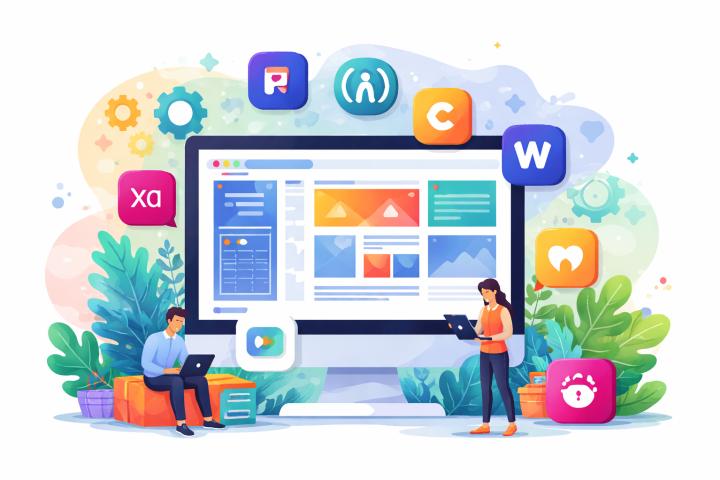

A website is often the first interaction potential customers have with your business. While a visually appealing website can attract visitors, poor design choices can quickly drive them away. Many businesses invest in creating a website but overlook key elements that affect user experience, search engine rankings, and conversions. Avoiding these common website design mistakes can help your business create a stronger online presence and achieve better results.
1. Slow Website Loading Speed
Website speed plays a major role in user satisfaction. Visitors expect pages to load within a few seconds, and delays can lead to higher bounce rates. Large image files, unnecessary plugins, and poor hosting are common reasons for slow performance.
Optimizing images, using clean code, and choosing reliable hosting can significantly improve loading speed and keep users engaged.
2. Ignoring Mobile Users
With most internet users browsing on smartphones, a website that isn't mobile-friendly can lose a large number of potential customers. Text that is difficult to read, buttons that are too small, or layouts that don't fit smaller screens create a frustrating experience.
A responsive website automatically adjusts to different screen sizes, ensuring users can easily navigate your site on any device.
3. Complicated Navigation
Visitors should be able to find information quickly without searching through multiple menus. Complex navigation, too many menu items, or confusing page structures often cause users to leave.
Keep your navigation simple and organized. Group related pages together and use clear menu labels so visitors can easily find products, services, or contact information.
4. Poor Call-to-Action Placement
Many websites fail to guide visitors toward taking the next step. Without clear call-to-action (CTA) buttons, users may leave without contacting your business or making a purchase.
Include visible CTAs such as "Get a Free Quote," "Contact Us," or "Book a Consultation" throughout your website to encourage conversions.
5. Outdated Design and Content
An outdated website can make your business appear inactive or unprofessional. Old images, expired promotions, broken links, and outdated information reduce customer trust.
Regularly update your content, refresh your design, and ensure all pages provide accurate and relevant information.
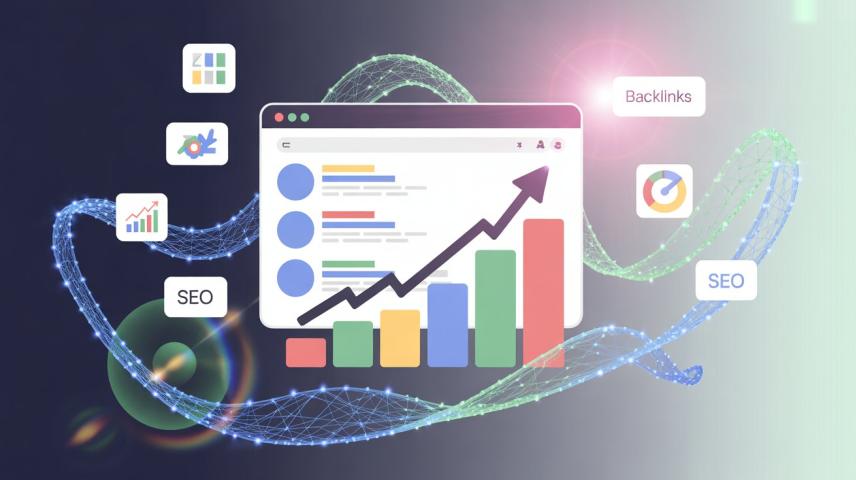
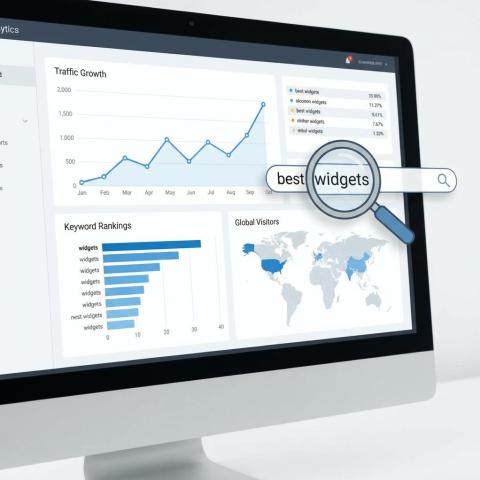
6. Lack of SEO Optimization
Even the best-looking website won't generate traffic if it cannot be found on search engines. Many businesses overlook SEO by ignoring keyword optimization, meta descriptions, image alt text, and proper heading structures.
An SEO-friendly website improves visibility on search engines, helping attract more qualified visitors and potential customers.
7. Overcrowded Pages
Trying to display too much information on a single page can overwhelm visitors. Excessive text, too many images, pop-ups, and animations distract users from your main message.
Use white space effectively, organize content into clear sections, and focus on presenting only the most important information.
8. Missing Trust Signals
Visitors want reassurance before doing business with a company. Websites without customer reviews, testimonials, security certificates, or clear contact details may appear less trustworthy.
Displaying client testimonials, business certifications, SSL security, and complete contact information helps build confidence and encourages visitors to take action.
Conclusion
A successful website combines attractive design with excellent functionality and user experience. By avoiding common mistakes such as slow loading speeds, poor mobile optimization, confusing navigation, outdated content, and weak SEO, businesses can create websites that engage visitors and generate more leads.
Working with a professional Website Design Company in Malaysia can help ensure your website follows modern design standards, performs efficiently, and supports your long-term business growth. A well-designed website is not just an online presence—it is a valuable tool that helps your business stand out in today's competitive digital landscape.