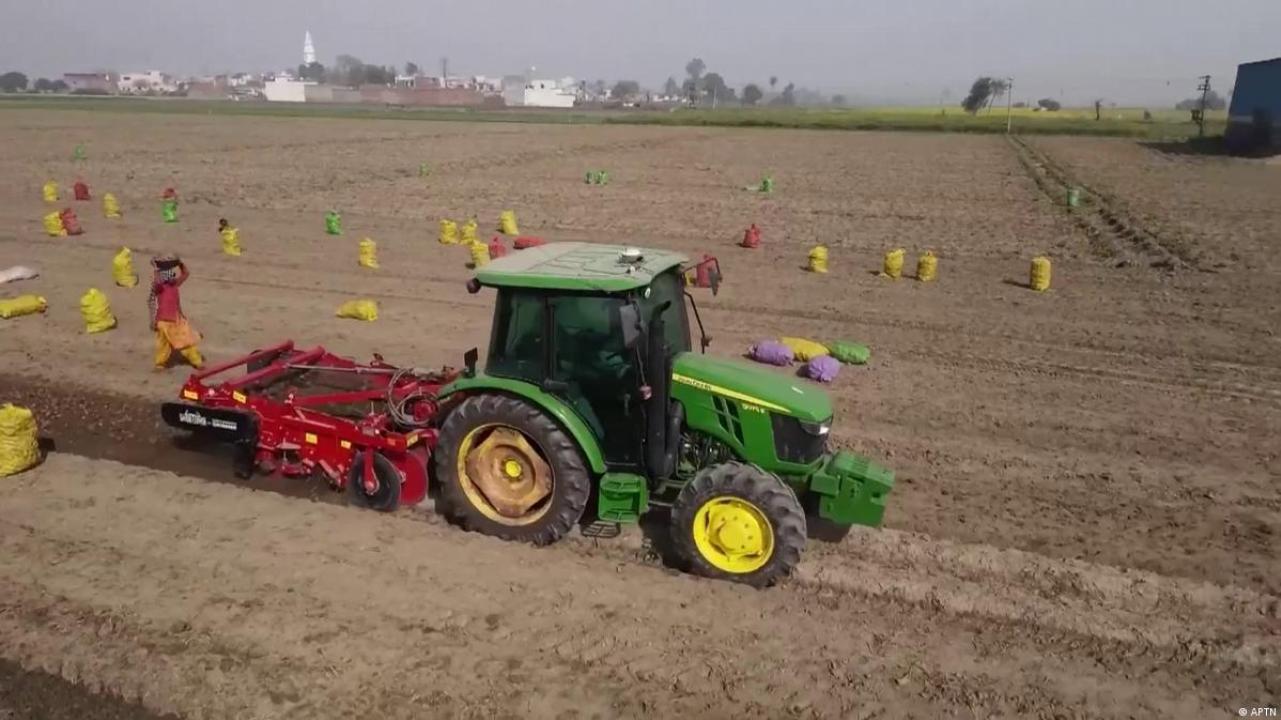
The Indian agricultural landscape is shifting gears. As we move through 2026, the humble tractor—once viewed purely as a machine for pulling implements—is evolving into a sophisticated, data-driven command center. For farmers across the country, from the wheat belts of Punjab to the horticulture clusters in Maharashtra, this technological leap is not just about modernization; it is about securing higher yields and better profitability in an increasingly competitive market.
Here are the top five technologies currently redefining the capabilities of an Indian tractor.
1. The Shift to Precision Smart-Cabs
Modern Indian agriculture is adopting satellite-based guidance and GPS auto-steer systems at an unprecedented rate. By integrating these tools into the dashboard, farmers can now ensure perfect alignment during sowing and fertilizer application. This reduces seed wastage, minimizes overlap, and ultimately optimizes the use of expensive inputs. While early adopters saw these as premium features, they are quickly becoming standard, offering a tangible boost to output efficiency for the modern operator.
2. Electric Powertrains and Reduced Operating Costs
Perhaps the most discussed transition in the industry is the rise of electric power. With volatile fuel costs impacting farm budgets, many are looking at the new generation of electric models as a viable alternative. Beyond the zero-tailpipe emissions, these machines offer significantly lower maintenance requirements compared to diesel engines. For a small or marginal farmer, the long-term savings on energy and servicing are compelling, even if the initial tractor price remains a factor that requires careful consideration against the lifetime operational benefits.
3. Telematics and Predictive Maintenance
Smart connectivity is no longer limited to high-end cars. Today’s advanced units come equipped with telematics systems that allow farmers to monitor engine performance, fuel consumption, and location in real-time via mobile apps. This connectivity acts as a proactive guardian; by providing alerts on service needs before a breakdown occurs, it helps avoid the costly downtime that can ruin a critical harvest window.
4. Advanced Hydraulics and PTO Automation
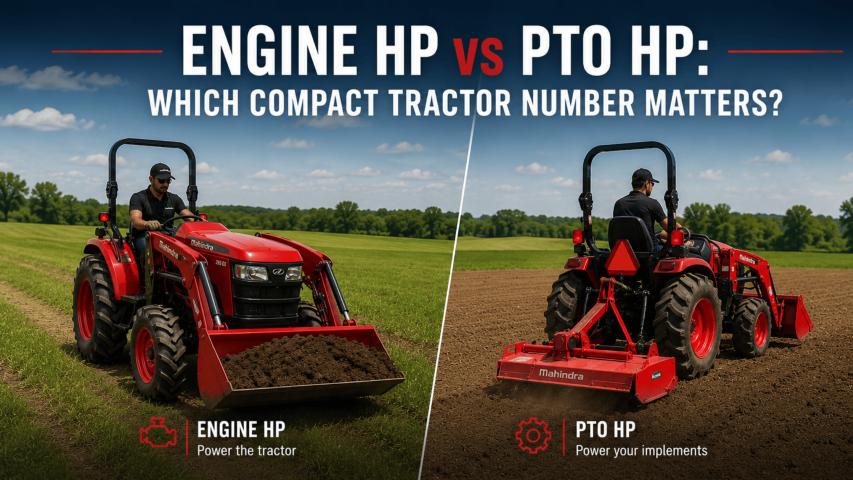
For farmers using heavy-duty equipment like Super Seeders or rotary tillers, the latest hydraulics and Power Take-Off (PTO) advancements are game-changers. By utilizing sensors that automatically adjust the depth and speed of implements based on soil resistance, these systems take the guesswork out of the job. This not only reduces the physical strain on the operator but also ensures that the implement is always working at peak performance, regardless of the soil condition.
5. The "Tractor-as-a-Service" (TaaS) Ecosystem
Technology is not just about the machine itself, but how it is accessed. The rise of the TaaS model—often described as the "Uber of farming"—is allowing farmers who may not be ready for a full capital investment to rent state-of-the-art, sensor-equipped machinery. Through local Custom Hiring Centres (CHCs), a farmer can access high-tech equipment for a few hours or a specific season. This democratization of technology means that you don’t necessarily need to own the most expensive unit to benefit from its productivity, helping keep farm overheads manageable.
Looking Ahead
The technological evolution in the Indian tractor industry is occurring alongside crucial regulatory shifts, such as the implementation of new emission norms. While these updates are essential for long-term sustainability, they have sparked meaningful conversations regarding the total tractor price and the transition timeline.
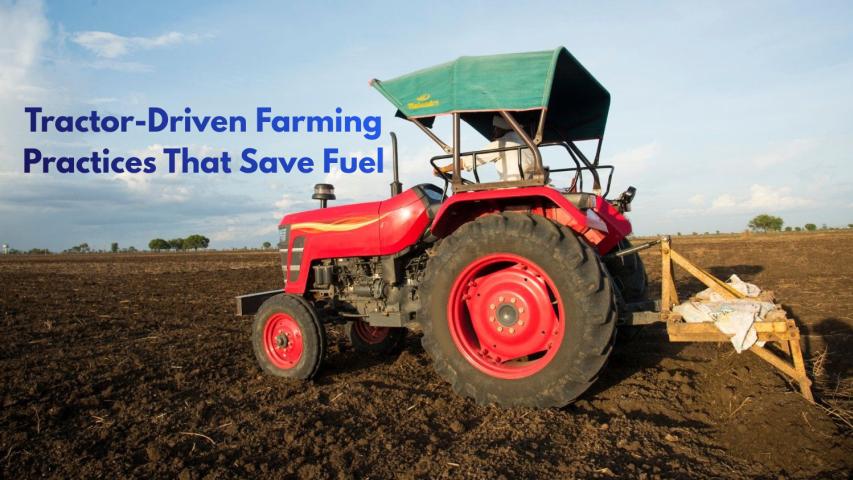
Ultimately, the best approach for any farmer in 2026 is to look beyond just the sticker price. By focusing on how these new technologies—from telematics to electric drives—can reduce daily fuel consumption and improve field efficiency, you can make an investment that pays for itself in both time saved and crop yield achieved. As these trends continue to mature, one thing is certain: the future of Indian farming is becoming smarter, cleaner, and more efficient than ever before.