
As a parent you may have asked yourself, when is my child ready for nursery? And will this really make a difference? If you are asking yourself these questions, you're not alone. Every year, thousands of families in the UK - from large metropolitan areas such as Manchester to small towns - are putting their children into early years settings. Whether you are looking for a reputable kids daycare nursery Wythenshawe or closer to home, you might be asking yourself, "what does child daycare do for my child's learning?"
The Evidence From The Research
To answer the question, let's start with the research evidence. A particularly important study of early years education in the UK, the Effective Provision of Pre-School Education (EPPE), studied the development of approximately 3,000 children from early years through to the end of primary school. It shows that children who have access to high-quality nursery education are more intellectually developed and have more sophisticated social behaviours.
Child Daycare Helps to Develop Learning Skills
Language and Communication Come First
Have you ever wondered how toddlers learn a lot of words when they are around other children? It's no accident. There are more other children around to talk to, and the singing, storytelling and the teachers asking questions that promote and stimulate language learning all helps children to learn language in a playful and informal way.
In nurseries children are exposed to lots of stories, rhymes and songs and play is encouraged that promotes interest and learning new words. This can have a transformative effect on children from disadvantaged backgrounds.
Social Skills That Last a Lifetime
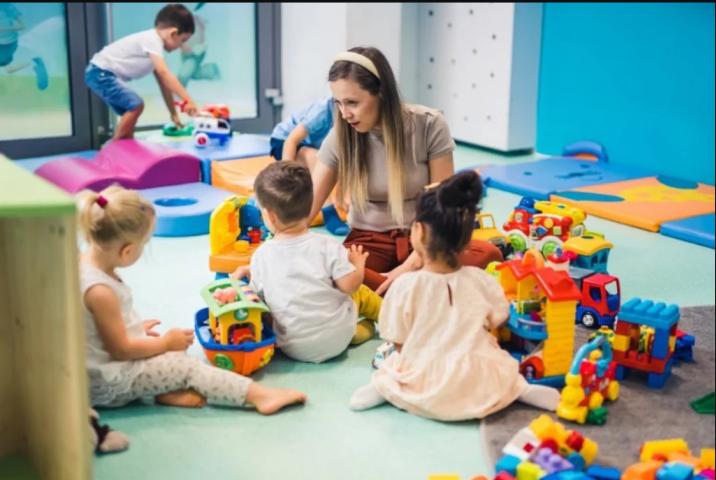
While playing and participating in group activities, children learn valuable communication skills - listening, speaking and reading body language. Through activities such as constructing blocks, role-playing, or working on a team project, children learn to cooperate and cooperate with others.
Emotional Intelligence Grows Here
Have you ever seen a child trying to work out their emotions? Preschool helps with that too. Through fun activities such as reading stories and enacting roles, they learn about a range of feelings and experiences, which helps them name and manage their feelings, an important part of building good relationships with others and having a positive self-worth.
We know that 90% of the brain is developed by the age of five, which makes this an important early childhood development time. We know this at a child daycare nursery and we understand that learning about emotions is an important part of each day.
Independence and Confidence
It's magical when a child does something for the first time on their own. This is a common occurrence in nurseries. Routines make children feel safe and sure. They are able to do small things themselves, increasing independence. This helps build their self-esteem.
Learning Through Play - The EYFS Framework
The Early Years Foundation Stage (EYFS) framework is used in all registered child daycare nurseries in England. The EYFS framework is followed by most nurseries in the UK, which supports children's learning and development through play.
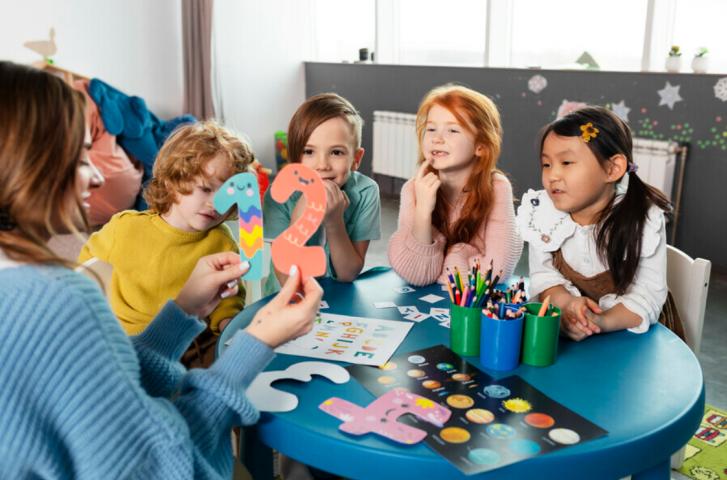
This includes learning to count, recognise letters, make friends and have a positive sense of self. This has been revamped for 2025 to include the most recent evidence on young children's learning. Importantly, it is still play-based and not lessons-based because that's the best way to learn for young children.
How Many Children Are in the UK Nursery?
Let's look at the numbers. In 2024, 74% of children in England aged 0 to 4 years were in some type of childcare during the last term-time week (2.2 million children) Under the new arrangements, from September 2015, working families with children aged nine months to three years can receive 30 hours of free childcare each week. This enables even more families to afford quality child daycare.
Nursery Checklist
Not all nurseries are equal. Here are some things to look out for when selecting a child daycare centre for your child. Ensure that the staff are friendly and well trained and interact with children rather than "babysitting". Look for a good balance between active, quiet and group play throughout the day. Inquire about the strategies used to promote language and emotional development. And take a good look around. Is it safe, happy and fun?
Final Thoughts
Your child's early years are a critical time to choose a child daycare nursery. We know it works, the system is sound and there is more to it than just helping children keep busy throughout the day. It impacts language, social, emotional and cognitive (number) development, and so it impacts the learner your child will be.