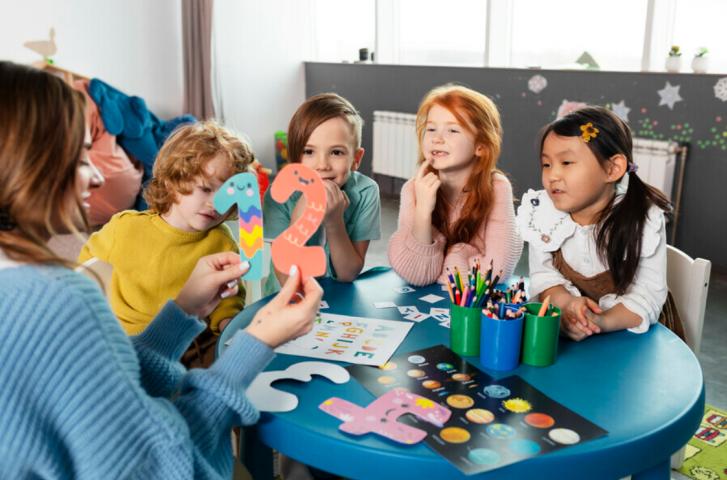
Early childhood is a critical stage of human growth which sets the foundation for healthy behaviour, health, and learning throughout life. Providing a structured, supportive and stimulating environment for the brains of our youngest learners to develop, an excellent Children day nursery is crucial to supporting this process. These are more than simply child care facilities; they serve as important settings for kids' physical, emotional, social and cognitive development.
The Value of Early Childhood Development
The first formative years (the five years of a child’s life) are a critical time for the mind to develop. At some stage during this time, neural connections are formed at an incredible rate, inspired by the child’s environment and studies. The accelerated learning institutions aim to provide an enriching experience for this process. Through play-based learning, social interaction, and intentional activities, children have the opportunity to teach important life skills. Children enrolled in early choice institutions typically have greater language development, emotional judgment skills, and more powerful problem-solving abilities.
Structured Learning Promotes Psychological Development
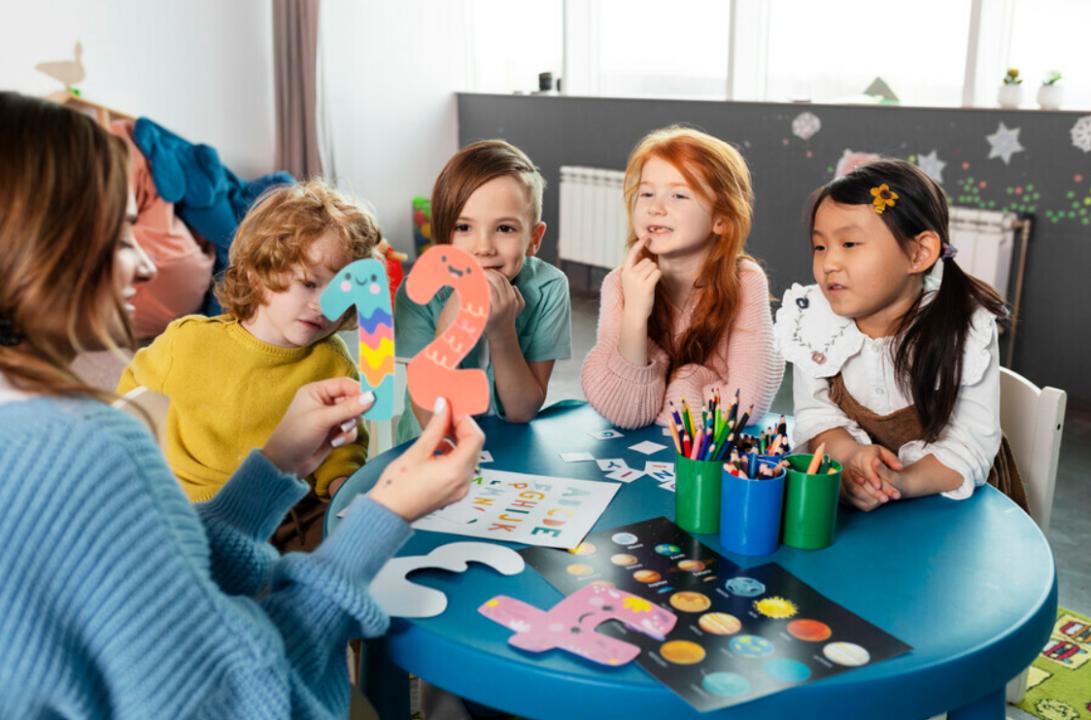
Improving cognitive abilities is one of the great blessings of the early knowledge acquisition of the centres, and they sell child improvement. Little ones read their early skills for expert reports through storytelling, puzzles, drawings and number counting. This is not a test; Games are designed to suit age and developmental needs. Teachers and parents use appropriate coaching strategies to stimulate children’s questioning and wonder. This method allows children from a young age to enhance their vital capacity for wonder. Youth are taught to focus, focus, remember and multitask through a controlled and varied environment.
Social Skills and Peer Interaction
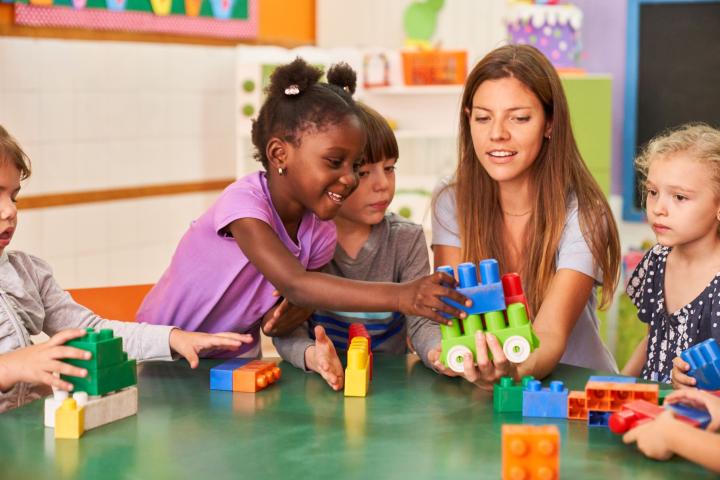
Social blessings are another important end result of early youth centres. Many children were able to meet friends outside the family. These interactions help them enhance important social skills that include sharing and empathy. Activities with friends encourage teamwork and interaction. Children discover ways to stand out, criticise themselves, and understand unique perspectives. Parents deal with conflict sometimes in play and coach their children on how to solve problems politely and constructively. These early connections with others help children build confidence and keep them together in school.
Building Confidence And Developing Emotions
Children's progress in the early years plays a big role in their emotional development. Early Mastery Centres provide an environment where children can express themselves freely in a safe and supportive environment. Caregivers help identify the child and manage their emotions. Positive reinforcement and encouragement help develop vanity. A boom mentality is promoted when children are praised for their efforts rather than their abilities. They are also encouraged to be patient in experimenting without worrying about failure and trying new things. Habits and scale are useful resources in emotional law.
Play-Based Physical Development
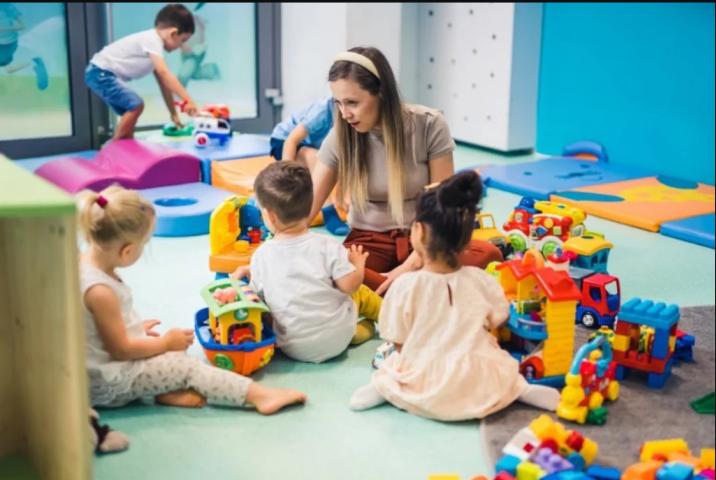
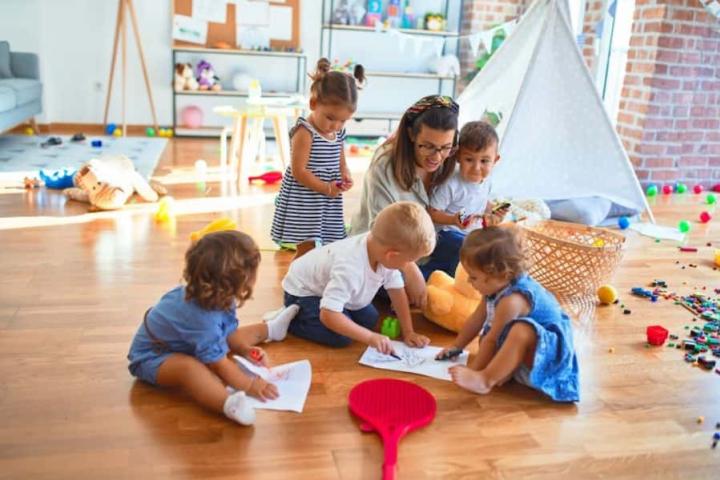
Early Mastery Centres emphasise the importance of physical engagement through protected free play games because it is critical to early development. While activities such as painting, paper cutting, and block building can help improve fine motor skills, physical play involving walking, climbing, and playing with other toys can help expand gross motor skills in youngsters. Outdoor play gives children the opportunity to discover their environment. Exercise improves electricity, agility and endurance, which increases general fitness. Physical exercise increases emotional well-being.
Language Skills And Communication
Language is promoted in early introductory environments. Children uncover a variety of language switching techniques and vocabulary through sustained interactions with friends and caregivers. Participating in games, including storytelling, songs, and system discussions, contributes significantly to language improvement. It is also not unusual for professional counsellors to encourage children in the booklet and ask an open question. This increases comprehension and listening skills as well as vocabulary. Students gather knowledge to make sentences, make their criticisms specific, and point to crucial debates. Language skills play a role in literacy development.
Final words
Early centres of expertise are essential to improve your child because they provide a strong foundation. These centres help with all aspects of a child’s well-being, including social and cognitive talents, emotional well-being, and physical fitness. By providing a nurturing and controlled environment, early childhood learning centres do not take children lightly, but prepare them to cope with success and curious adults.
Visit promoteproject for more informative blogs.