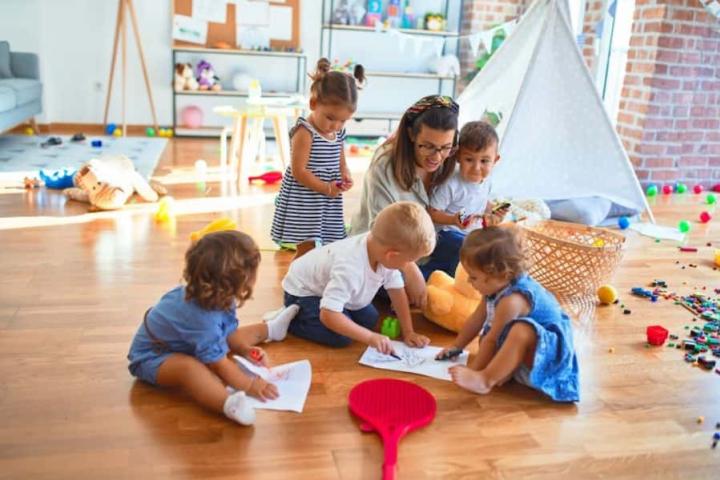
The first few years of a child’s life are crucial in forming the framework of future learning, behaviour, health and emotional development. This is the time when children begin to grasp the world around them, create relationships and learn key abilities that will serve them well throughout life. Nurseries, preschools and reception classes are early education settings that provide regulated and supportive environments in which children are encouraged to learn, develop and explore via everyday experiences.
These settings do far more than just look after children while parents work. They provide children the opportunity to explore new concepts, engage with others and gain confidence in their own skills. Early education practitioners plan for activities that assist all areas of development including social, emotional, physical, cognitive and linguistic development. Early education settings provide children with a mix of learning and play so that they become engaged learners, ready for future school and life challenges.
Supporting Social Development
Children learn social skills and spend time with others in early schooling. Nursery and preschool assist children learn to communicate and collaborate in large groups since they have little experience.
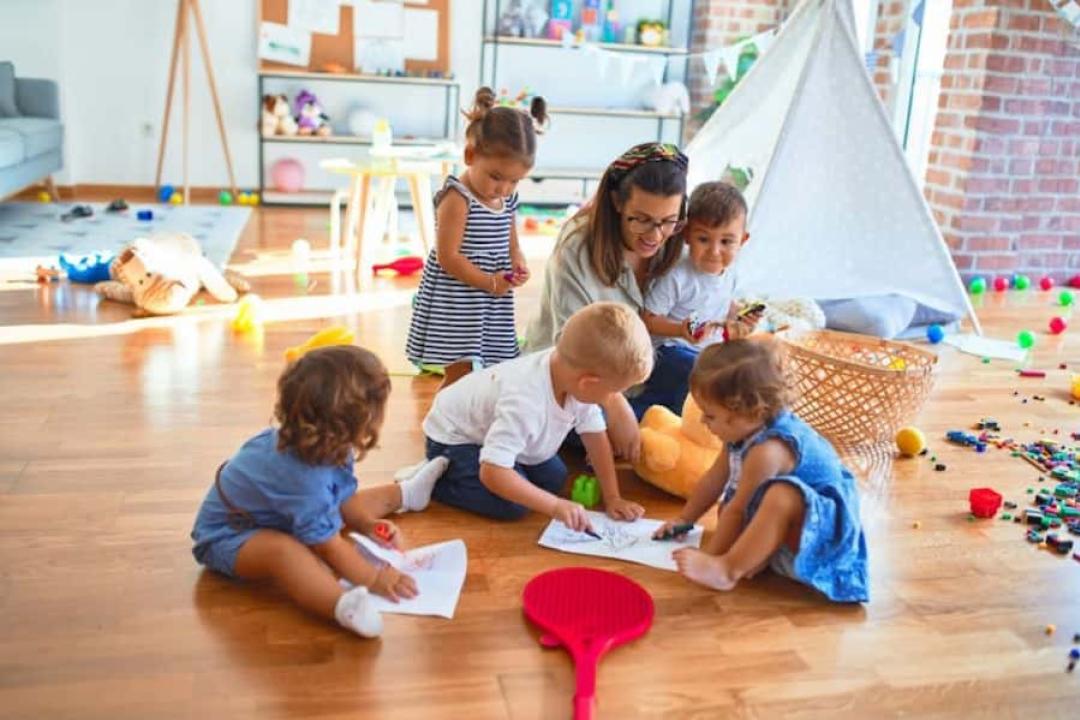
Games and group activities teach kids sharing, taking turns, and teamwork. They also learn to respect others' feelings and ideas. Regular peer engagement helps kids make friends and gain social confidence. Practitioners assist kids resolve conflicts peacefully and politely by encouraging good conduct.
Social development helps children interact with others and learn appropriate behaviour. These early experiences prepare children for school and relationships by making them more comfortable in groups. For the best early education, choose our childcare Urmston.
Promoting Cognitive Development
Cognitive development is how children think, understand, remember and solve issues. Early education settings include a range of learning activities that allow children to utilise their creativity and develop their cognitive abilities.
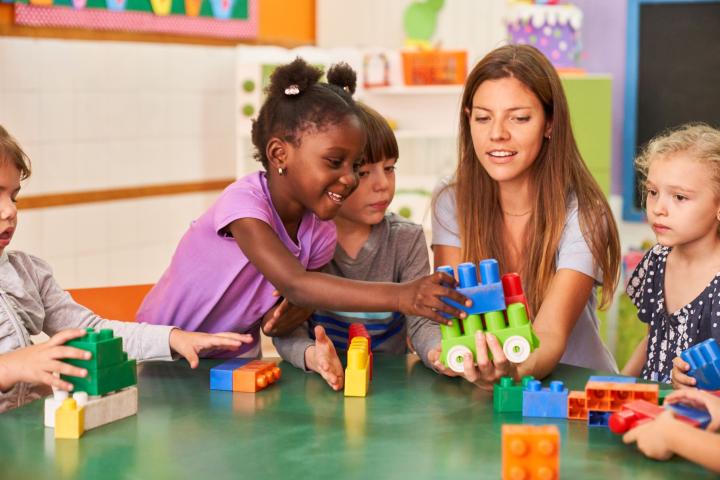
Children are naturally interested and love to explore the world around them. Such a curiosity invites practitioners to create activities that challenge children’s thinking and foster discovery. Children learn focus, memory and reasoning abilities via building blocks, puzzles, storytelling, counting games and scientific activities.
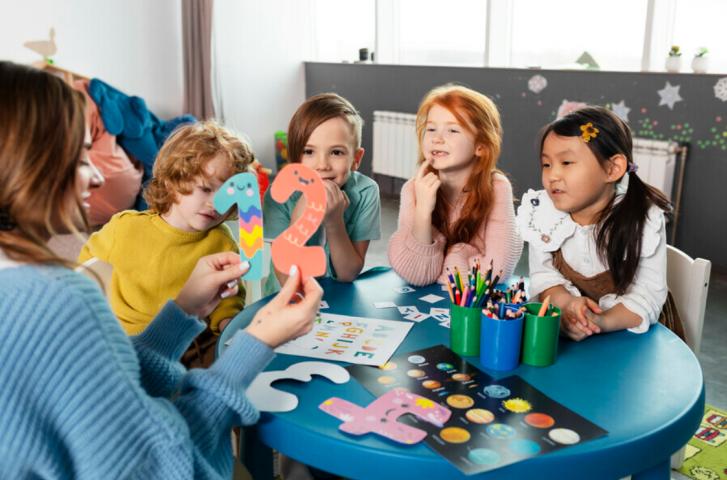
In the early years children begin to comprehend fundamental mathematical and scientific ideas. They learn numbers, shapes, colours, patterns and measures via practical experiences and play. These exercises foster intellectual development and prepare children to be autonomous learners ready to enquire and explore new concepts.
Developing Language and Communication Skills
Children’s language and communication abilities are vital for learning and social interaction. In early childhood settings, children hear and utilise language all day in language-rich situations. Practitioners talk to children often, ask questions, tell tales, sing songs and stimulate debates.
Children build their vocabulary and speaking abilities via discussion and games. Storytelling and reading sessions assist children comprehend the patterns of language, sounds and sentence structures. Singing rhymes and songs helps with listening skills and memory.
Children with good communication skills are frequently more confident in expressing their views and wants. They can also develop stronger connections and engage in class activities. Early education practitioners can notice speech or language issues at an early stage and offer help when needed.
Supporting Physical Development
Another key aspect that is promoted in early education settings is physical development. Children are engaged in activities that develop large motor abilities and fine motor skills. Gross motor abilities are movements of major muscles in the body, such as sprinting, leaping, climbing and balancing. Outdoor play places let children get active and build their coordination and strength.
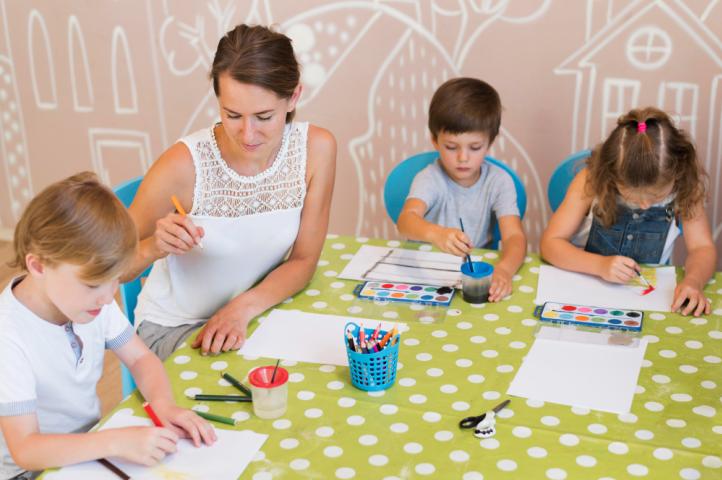
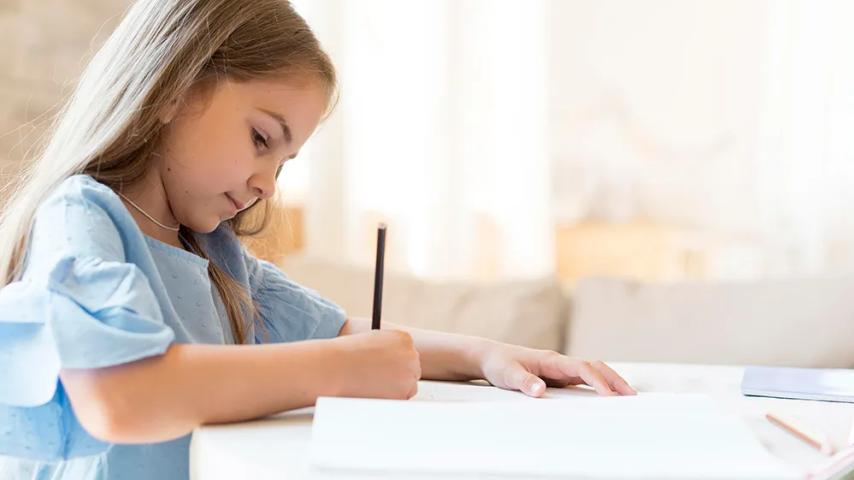
Fine motor skills are little hand and finger motions. Activities such as sketching, painting, cutting, threading beads and constructing with blocks enable children to improve hand control and coordination. These abilities are vital for subsequent activities such as writing and self care duties.
Physical activity is also good for children’s health and wellness. Exercise, cleanliness and good eating are encouraged in early education settings to promote healthy behaviours. These experiences assist children to learn the value of a healthy life>
The Importance of Play in Learning
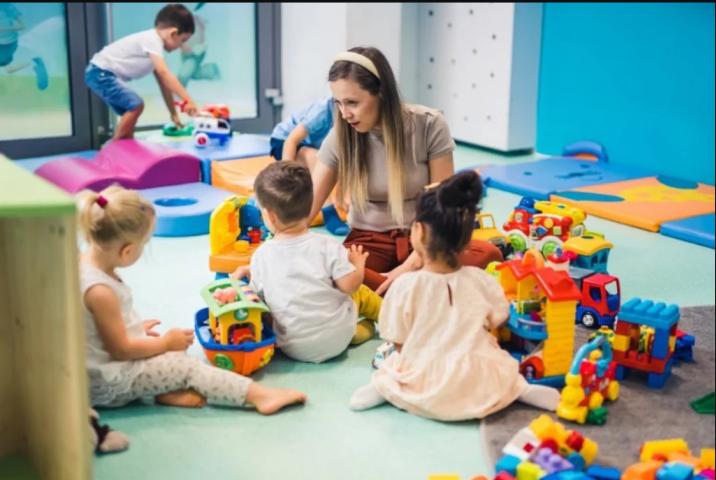
Play is one of the most efficient methods for young children to learn. Play-based learning to assist development in all areas is used in early learning settings. Children learn ideas, use imagination, and develop social and cognitive skills naturally through play.
Role play games encourage children to imagine and act out real life events such as shopping, cooking or working in different occupations. These exercises promote creativity, language development and problem solving. Construction play, art activities and sensory play also help learning and discovery.
Playing enables children to enjoy learning and to participate actively in activities. Play based techniques are very helpful in aiding development as children learn best when they are interested and involved.
Building Independence and Confidence
Early education settings assist children grow more autonomous by encouraging them to perform things by themselves and make simple decisions. Children acquire crucial self help skills such as washing hands, tidying resources, clothing themselves and maintaining personal things.
Practitioners foster independence by providing children with duties and encouraging them to have a go before asking for help. Children build confidence when they achieve goals and get positive reinforcement for their efforts.
With increased confidence, children are more likely to join in activities, talk in front of people and try out new settings. Developing independence in the early years helps children prepare for school and manage future obligations successfully.
Preparing Children for School
One of the major purposes of early education settings is to prepare children for transition into primary education. This preparation is not just intellectual – it requires emotional preparedness, communication skills, confidence and social awareness.
The children become used to routines: following directions, participating in group activities, performing small tasks independently. They also learn to concentrate, listen carefully and relate favourably to instructors and fellow students.
Early education settings assist children to transition progressively to organised learning contexts so that they are more comfortable when they attend school. Children who participate in high-quality early education settings generally start school with more confidence, social skills and a good approach to learning.
Conclusion
Early childhood education is crucial to children's development. They provide safe, caring, and engaging spaces for children to learn through play and discovery. These surroundings foster social, emotional, cognitive, linguistic, and physical development and help kids become confident, independent people.
Early experiences impact children's learning, behaviour, and wellbeing. Early education fosters strong relationships, creativity, communication, and independence in children, preparing them for school and life. Thus, high-quality early years education is essential for every child to realise their potential and become confident and successful adults.