All parents want to know when they drop their child off for the first time: "Will my child be safe there? It's a valid question. It takes trust to give your child someone else to care for him or her. Fortunately, quality child day care is based right on that very question and the answer more often than not is a strong yes. Child daycare services are much more than babysitting. They provide children with safe and structured environments in which they can flourish, learn and feel safe every day of the year. But, how does a day care keep children safe? Let's go over it together.
Structured Supervision That Keeps Kids Protected
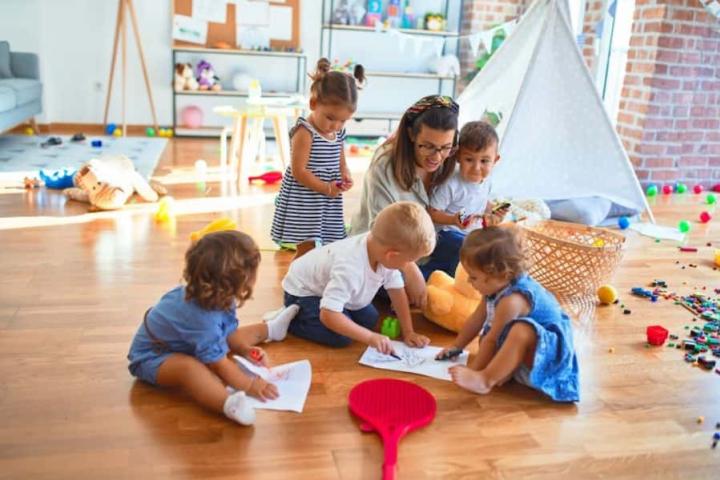
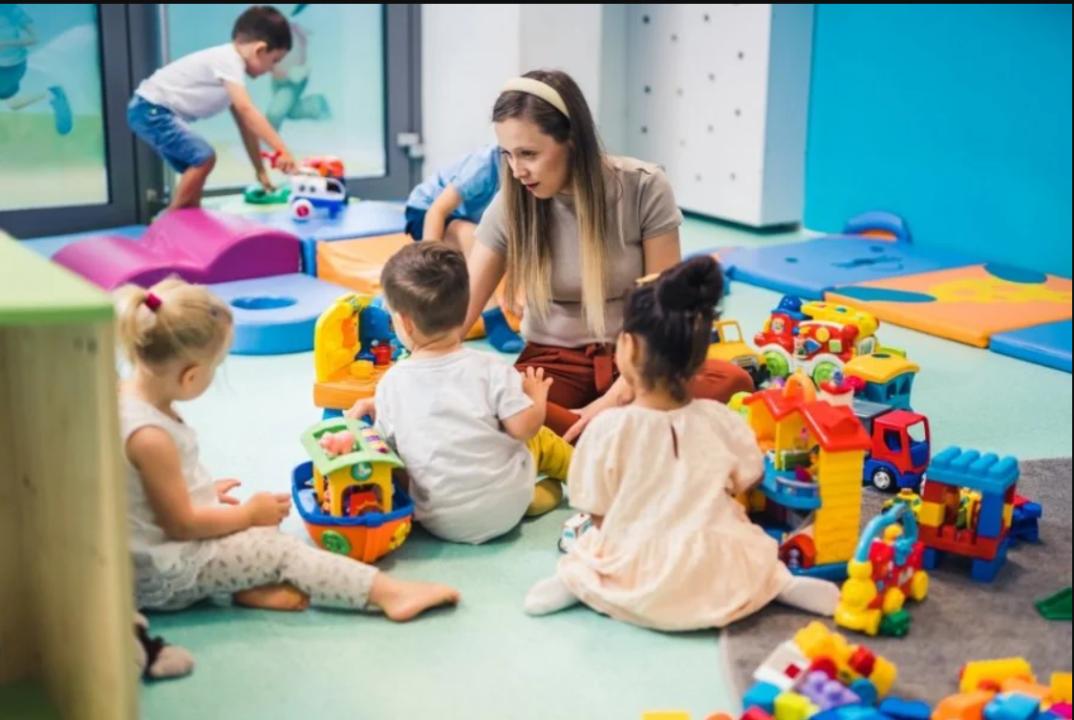
The most important aspect of safety in any child care facility is active, constant supervision. This isn't a guy looking out from across the room. Active supervision involves staff being present, observing, listening and engaging children in their interactions at all times, indoors, outdoors or during nap times, according to the American Academy of Pediatrics.
This is a big part of the ratio of staff to children. Lower ratios allow each caregiver to be able to focus closer on children. This degree of attention directly helps to minimize accidents and injuries, particularly so for infants and toddlers. There's another reassuring detail for parents: In many states, new regulations mandate that a staff member be on hand at all times during operating hours who has been certified in first aid and CPR.
What Safe Supervision Actually Looks Like
Children are always in sight and earshot of a trained adult
Staff know and understand how to anticipate and stop potentially unsafe situations occurring.
Children are regularly involved in emergency drills and safety procedures, which are regularly practiced with both staff and children.
Documentation makes it clear to parents.
Supervised children feel emotionally secure as well as physically safe when supervision is provided properly.
Physical Safety Standards in Child Daycare Centers
A healthy, safe child day care center is planned with safety in mind. The physical environment is designed to reduce risk, including with regard to child protection, such as those found in childproofed furniture and fenced outdoor play areas. Authorized adults only can obtain a child and this feature may not be something parents consider but is appreciated by them. Licensed centers must adhere to state safety standards that range from fire safety to clean water as well as clean restroom facilities. The Children's Environmental Health Network. (CEHN) developed the Eco-Healthy Child Care program in collaboration with.
Health Practices That Prevent Illness
Safe environments are more than just a place to help prevent bumps and bruises. The health of children is a concern, as well. Quality child day care centres have well-informed and well-rehearsed hygiene protocols, such as daily health checks, frequent hand washing schedules, clean-up of play areas and immunisation policies for child day care staff and children attending. These measures go a long way in minimizing the transmission of disease in group homes.
Emotional Safety: More Than Just Physical Protection
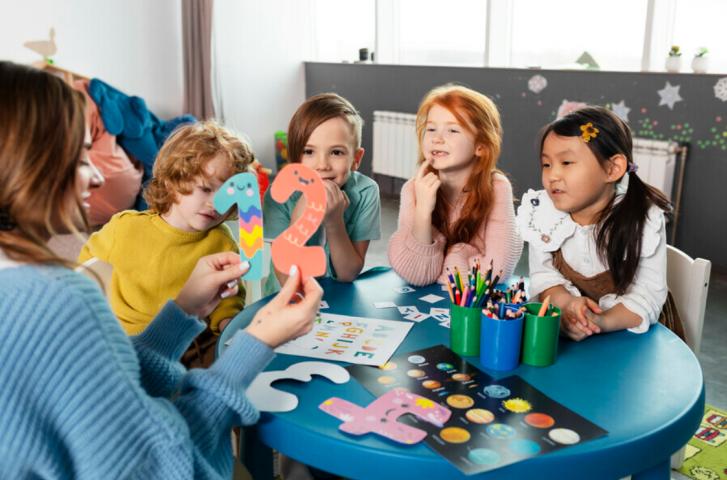
This might be a thing to reflect on. But can a child develop when they are feeling stressed or uneasy in the environment? Physical safeguards cannot be all that is needed. Feelings are as important to a child's development as safety. Good child day care schemes implement positive reinforcement approaches, have well defined anti-bullying policies and have appropriate conflict resolution procedures for the children to feel respected and valued. Staff know about social and emotional development and are able to identify when a child is distressed and know what to do.
What Research Tells Us: The Perry Preschool Study
The Perry Preschool Project is one of the most compelling studies of the impact of quality early care to demonstrate the long-term positive outcomes. This is a randomized study developed by American psychologist David Weikart from 1962-1967 which followed the impact of high quality early childhood education on children identified as at-risk from low-income families in Ypsilanti, Michigan. Since the beginning of the study, researchers have followed the participants, and in comparison with a control group, the Perry participants have had better academic, labor market, behavioral and health outcomes in adulthood, as well as superior executive functioning and social-emotional skills.
How Parents Can Identify a Truly Safe Child Daycare
Not every day care is the same and parents should be aware of what to expect. Accredited centres reflect the high quality standards set nationally, from the qualifications of teachers to curriculum to the safety of the setting and accreditation can be considered a gold star in the world of early childhood education. There are organizations such as NAEYC that offer families search capabilities to locate centers that are accredited.
Key Things to Look For
State licensing is displayed and up to date
Staff are aware of CPR and first aid certificates.
The facility is clean, tidy, child proofed and properly managed.
Staff to child ratios are suitable for the age group
Emergency plans are prepared and drilled.Emergency plans are made and practiced.
The center has a single visitor and/or pickup authorization policy.
It's not rude to ask questions during a tour. It's sound parenting.
Final Words
Childcare isn't only an option for working parents. It is a well organised setting that maintains children's safety, health and emotional welfare in the most important years of their development. Whether it's trained supervision, physical safety measures, emotional care, health protocols, or any other service, quality daycare offers what every child should have – a place where they can feel safe and secure to grow. If you select a licensed accredited daycare that has excellent safety protocols, you are not only obtaining care for your child, you are also selecting a daycare that is well licensed and has good safety practices. You are providing them with a foundation which they will draw from throughout their lives.