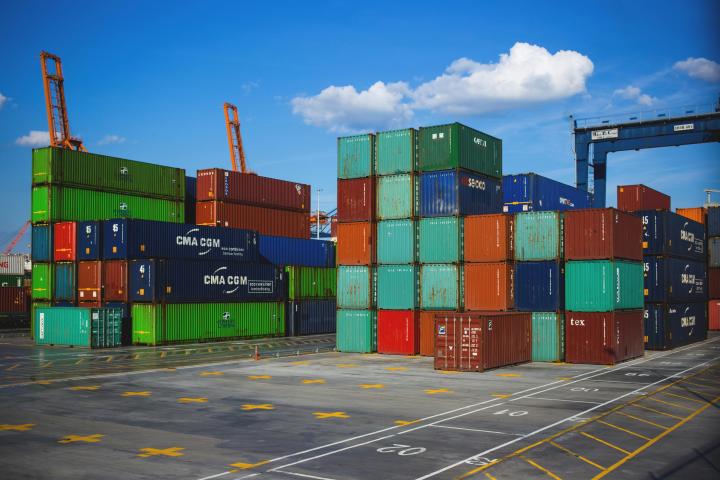
For years, businesses treated their supply chains like highways, built for speed and efficiency, not for surviving unexpected detours. Then came the disruptions: global pandemics, port backlogs, geopolitical conflicts, and climate events that exposed just how fragile many operations truly were.
The companies that recovered fastest had something in common. They had invested in resilience before the crisis hit. And interestingly, that investment did not just help them survive, it actually made them more profitable. This is what experts now call the "resilience dividend": the measurable financial return that comes from building a supply chain that can absorb shocks and adapt quickly.
What the Resilience Dividend Actually Means
The resilience dividend is simple to understand. When a supply chain is designed to handle disruption, it does not just avoid losses during a crisis, it gains a competitive edge over rivals who are scrambling to catch up.
Think of it this way: two companies sell similar products. One has mapped its supplier risks, diversified its sourcing, and built inventory buffers at critical points. The other has squeezed every cost out of its operations in the name of efficiency. When a disruption hits, the first company keeps delivering. The second goes dark for weeks. Customers notice. Market share shifts. That shift is the dividend.
In practical terms, resilience investments tend to improve on-time delivery rates, reduce costly emergency procurement, and strengthen customer trust, all of which have a direct impact on revenue and margins.
Why Risk Management Is No Longer Optional
For a long time, supply chain management focused almost entirely on cost reduction. Lean inventories, single-source suppliers, and just-in-time delivery were seen as signs of operational excellence. Risk was an afterthought.
That mindset has changed significantly over the past few years. A McKinsey study found that supply chain disruptions lasting more than a month occur every 3.7 years on average, and companies can lose up to 45% of one year's profits over the course of a decade because of them.
Effective supply risk management now means identifying vulnerabilities before they become crises. This includes mapping the full supplier network, stress-testing logistics routes, and building contingency plans for different disruption scenarios. It also means investing in technology, real-time visibility tools, AI-driven demand forecasting, and supplier monitoring platforms, that give businesses early warning when something is about to go wrong.
The companies doing this well are not just reducing risk. They are turning resilience into a strategic capability that competitors struggle to replicate quickly.
Building Resilience Without Breaking the Budget
One of the most common concerns leaders raise at any supply chain conference is the cost of building resilience. The assumption is that it requires massive upfront investment. In reality, the approach matters more than the budget.
The most effective resilience strategies start with visibility. A business that lacks clear visibility into its supply chain is essentially navigating without a map. Knowing exactly where your inventory is, who your second-tier suppliers are, and which routes carry the most risk is foundational. Many businesses are surprised to find that simply mapping their supply chain uncovers risks they were completely unaware of.
From there, targeted diversification, adding one or two backup suppliers in different regions for critical components, provides significant protection without duplicating the entire supply base. Combining this with flexible contracts and pre-negotiated contingency agreements gives businesses options when they need them most.
The return on these investments tends to show up in lower disruption costs, faster recovery times, and improved customer retention. In many cases, the ROI becomes measurable within two to three years.
Case Study 1: Toyota's Supply Chain Wake-Up Call
After the 2011 earthquake and tsunami in Japan, Toyota discovered that a single supplier of a specialty paint pigment had been wiped out, halting production of multiple vehicle models globally. The company had not mapped its supply chain deeply enough to know how exposed it was.
Toyota responded by building one of the most rigorous supplier visibility programs in the manufacturing world. It mapped thousands of parts back to raw material sources, identified single points of failure, and worked to develop alternative suppliers for high-risk components. Within two years, Toyota had significantly reduced its vulnerability to supplier-level shocks. When flooding hit Thailand later that year, another major disruption, Toyota's recovery time was notably faster than competitors who had not made similar investments.
Case Study 2: Unilever's Risk-Informed Sourcing
Unilever, the consumer goods giant, faced growing pressure from climate-related disruptions affecting its agricultural supply chains, particularly for palm oil, tea, and other raw materials. Rather than treating this as an inevitable cost of doing business, Unilever embedded risk management into its procurement strategy.
The company began working directly with smallholder farmers to improve agricultural resilience, diversified its sourcing across multiple geographies, and used predictive analytics to anticipate supply shortfalls. The result was a measurable improvement in supply continuity and a reduction in commodity cost volatility. Unilever has publicly credited this approach with protecting margins during periods when competitors faced significant raw material shortages.
Frequently Asked Questions
1. What is the resilience dividend in supply chain terms?
The resilience dividend refers to the financial and competitive returns that businesses earn by investing in supply chain resilience. When disruptions occur, resilient companies continue to deliver to customers while less-prepared competitors struggle, resulting in market share gains and stronger long-term profitability.
2. How does risk management improve supply chain ROI?
Risk management reduces the frequency and cost of disruptions, lowers emergency procurement expenses, and protects customer relationships. Each of these outcomes has a direct and positive effect on margins and revenue, making the investment financially sound over time.
3. Is building a resilient supply chain expensive?
Not necessarily. Many high-impact resilience strategies, such as supplier mapping, visibility tools, and diversifying critical sourcing, can be implemented gradually and at a manageable cost. The key is prioritizing the areas of greatest vulnerability first.
4. What role does technology play in supply chain resilience?
Technology is central to modern resilience strategies. Real-time tracking platforms, AI-driven forecasting tools, and supplier risk monitoring systems allow businesses to detect problems early and respond before disruptions escalate into serious operational failures.
5. How can a business start improving its supply chain resilience today?
The best starting point is visibility. Mapping your full supplier network, identifying single points of failure, and understanding which routes or regions carry the most risk gives you the foundation to make targeted, cost-effective improvements that deliver measurable results.