Selecting the right 80 roller chain requires careful attention to several steps. Accurate measurement ensures a proper fit for machinery. Compatibility with existing equipment prevents unexpected failures. Understanding application needs helps match the chain to the load and environment. This approach reduces common mistakes and increases reliability. Consulting reputable manufacturers such as DONGCHUAN or industry experts can provide extra confidence in the final choice.
Key Takeaways
Accurate measurement of pitch, width, and roller diameter is crucial for selecting the right 80 roller chain.
Check chain markings to confirm compatibility with your equipment and ensure proper fit.
Understand load and speed requirements to choose a chain that can handle your specific application.
Select the right material, such as carbon steel or stainless steel, based on environmental conditions and performance needs.
Regularly inspect and maintain your chain to prevent unexpected failures and extend its lifespan.
Adjust chain tension and apply lubrication consistently to ensure smooth operation and reduce wear.
Consult manufacturer resources and experts for tailored advice and custom solutions to meet unique machinery needs.
Timely replacement of worn chains protects machinery and ensures reliable performance.
80 Roller Chain Basics
Key Dimensions
Pitch, Width, and Roller Diameter
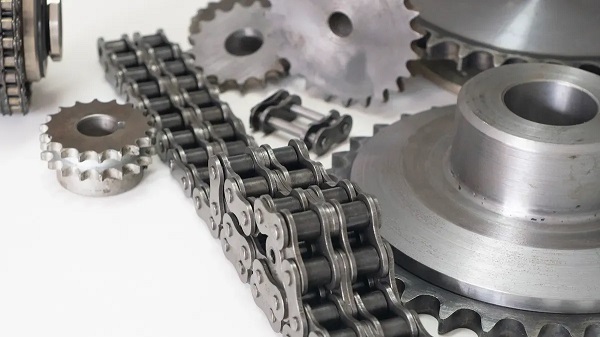
Understanding the main dimensions of an 80 roller chain helps users select the right chain for their machinery. The pitch, roller width, and roller diameter are the most important measurements. These values determine how the chain fits with sprockets and how it performs under load. The pitch measures the distance between the centers of two pins. Roller width and diameter affect how the chain moves and how much force it can handle.
Tip: Always measure the chain carefully before making a purchase. Accurate measurements prevent compatibility issues and reduce the risk of premature wear.
The following table shows the standard dimensions for an 80 roller chain according to ANSI specifications:
| Part No. | Industry No. | Pitch (P) | Pin Diameter (D) | Roller Width (W) | Roller Diameter (R) | Plate Height (H) | Plate Thickness (T) | Overall Width (F) | Overall Width (G) | Unit | Avg. Tensile Strength (Lbs.) | Avg. Weight Per Foot (Lbs./Ft.) |
|---|---|---|---|---|---|---|---|---|---|---|---|---|
| 80R | 80 | 1.000 | 0.313 | 0.625 | 0.625 | 0.950 | 0.125 | 0.650 | 0.803 | in | 17,636 | 1.714 |
Identifying Chain Markings
Manufacturers mark each chain with numbers and letters. These markings help users identify the chain type and size. For example, the number "80" shows the chain belongs to the ANSI 80 series. Markings also indicate the pitch and other important features. Users should check these markings to confirm they have the correct chain for their equipment.
ANSI Standards
Interchangeability Across Brands
ANSI standards ensure that the 80 roller chain meets uniform specifications. Chains produced by different brands follow these standards, so users can replace or use chains from various manufacturers without compatibility problems. The consistent manufacturing process means that chains fit and function properly across brands. Sprockets designed to ANSI standards also accommodate different shaft sizes, which increases versatility.
Note: Matching chain and sprocket standards prevents abnormal wear and extends service life.
Using Size Charts
A drive chain size chart helps users identify the correct chain size for their application. Proper sizing is crucial for smooth operation and load capacity. The chart lists dimensions such as pitch, roller diameter, and width between inner plates. Users should compare these values with their machinery requirements to ensure compatibility. Selecting the right chain size improves performance and reduces maintenance needs.
The 80 roller chain follows the ANSI B29.1 standard, making it an imperial pitch chain.
Its robust construction and high strength suit heavy loads and high-speed applications.
Each component undergoes precision manufacturing and heat treatment for enhanced performance.
The chain is widely used across industries, making it a standard choice for many machines.
Assessing Machinery Needs
Load and Speed
Calculating Load
Selecting the right chain starts with understanding the load requirements. Engineers must determine how much weight the chain will carry and how often it will experience sudden force. They should consider the type of chain needed, especially if the application involves heavy shock loading or precise positioning. Environmental factors play a role as well. Moisture, chemicals, dirt, and extreme temperatures can affect chain performance. Chain length must match the machinery to ensure proper engagement with sprockets. Sprocket selection matters because the size and tooth profile influence efficiency. Chain tension must stay within recommended limits to resist wear. Lubrication is essential for minimizing friction and extending the chain’s lifespan. Fatigue rating helps evaluate how well the chain withstands repeated stress cycles.
Chain type: Choose based on shock loading or precision needs.
Environmental factors: Check for moisture, chemicals, dirt, or temperature extremes.
Chain length: Ensure correct length for sprocket engagement.
Sprocket selection: Match size and tooth profile.
Chain tension: Maintain proper tension.
Lubrication: Apply regularly.
Fatigue rating: Assess for repeated stress.
Tip: Regular inspection and maintenance help prevent unexpected failures and keep machinery running smoothly.
Determining Speed
Speed affects chain selection as much as load. High-speed applications require chains that can handle rapid movement without stretching or breaking. Engineers must measure the speed at which the chain will operate. They should check if the chain can maintain performance at the desired speed. If the chain runs too fast, it may wear out quickly. If it runs too slow, it may not deliver the required efficiency. Matching chain specifications to speed ensures reliable operation.
Power Source Considerations
Electric vs. Engine Input
The power source influences chain selection. Electric motors provide steady, predictable power. Engine-driven systems often produce variable loads and shock forces. Chains used with engines must withstand sudden changes in force. Chains paired with electric motors usually operate under more consistent conditions. Engineers must match the chain’s strength and durability to the power source.
Application Examples
Many industries rely on the 80 roller chain for different tasks. Each application has unique requirements. The following table shows common uses and their specific needs:
| Application Type | Specific Requirements |
|---|---|
| Conveying Systems | Handles continuous operation and varying loads. |
| Agricultural Machinery | Withstands harsh conditions and delivers reliable performance. |
| Automotive Manufacturing | Demands high precision and efficiency for assembly lines. |
Standard #80 chains work well for moderate-duty agricultural machines like corn harvesters. These chains balance strength and compact size. Heavy-duty #80 chains suit industrial balers and heavy conveyors. They handle shock loads and help reduce downtime.
Note: Engineers should always match chain type and specifications to the demands of their machinery and environment.
Need the Right 80 Roller Chain for Your Project?
Contact us today for tailored advice, professional custom solutions, and a quick quote. Let our experts assist you in finding the perfect match for your machinery.
Send Your Inquiry NowMaterial and Design Choices
Chain Materials
Selecting the right material for a chain affects its performance and lifespan. Manufacturers use several materials to build chains for different environments and tasks. Each material offers unique benefits.
Carbon Steel
Carbon steel is the most common choice for standard chains. It provides strength and durability. Engineers often select carbon steel for applications where the chain faces regular loads and moderate wear. Plain carbon steel suits most general-purpose machinery. Alloy steel, a variation, increases strength and durability. This material works well in heavy-duty settings.
Stainless Steel
Stainless steel resists corrosion. It performs best in environments where moisture or chemicals are present. Engineers use stainless steel chains in food processing, chemical plants, and outdoor equipment. Stainless steel also works well when lubrication is difficult. This material keeps the chain running smoothly even in harsh conditions.
Coated Options
Some chains feature coatings for extra protection. Coatings help prevent rust and reduce friction. Nickel-plated and zinc-coated chains last longer in wet or corrosive environments. These options suit industries that demand reliability and low maintenance.
Tip: Choosing the right material helps extend chain life and reduces downtime.
The table below shows common materials and their effects on performance:
| Material | Properties and Effects on Performance and Durability |
|---|---|
| Plain Carbon Steel | Provides strength and durability, commonly used in standard applications. |
| Alloy Steel | Offers enhanced strength and durability compared to plain carbon steel. |
| Stainless Steel | Used in environments where lubrication is problematic, resistant to corrosion. |
| Nylon | Occasionally used for its low friction properties in specific applications. |
| Brass | Also used in certain environments where lubrication is a concern. |
Standard vs. Heavy-Duty
Chains come in standard and heavy-duty designs. The choice impacts how much load the chain can handle and how long it lasts.
Thickness and Load Capacity
Heavy-duty chains feature thicker link plates. This design increases fatigue strength and allows the chain to withstand higher and repeated shock loads. Standard chains use thinner plates and suit lighter tasks. The table below compares standard and heavy-duty chains:
| Feature | Standard Roller Chain | Heavy-Duty Roller Chain |
|---|---|---|
| Thickness of Side Plates | Thinner | Thicker |
| Material Quality | Standard Steel | Higher Grade Steel |
| Heat Treatment | Standard | Enhanced for Strength |
| Flexibility | More Flex | Less Flex |
Durability Features
Heavy-duty chains include several features to boost durability:
Solid rollers create smoother operation and reduce impact loads on sprocket teeth.
Heat-treated components resist wear and improve reliability.
Pre-loading limits initial stretching, ensuring consistent performance.
Enhanced rotation leads to a longer lifespan and reduces maintenance costs.
Engineers select heavy-duty chains for demanding applications. These chains last longer and require less maintenance. Standard chains work well for lighter loads and less frequent use.
Note: The right design choice ensures the 80 roller chain matches the demands of the equipment and environment.
Matching Chain to Equipment
Chain Length and Sprockets
Measuring for Fit
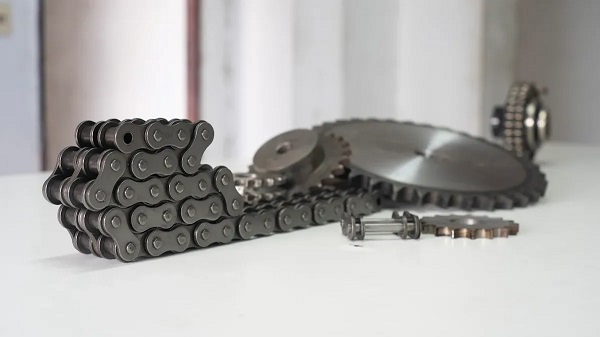
Selecting the correct chain length ensures smooth operation and prevents unnecessary wear. Technicians often compare the old chain with the new one by laying them side by side. They align the outer or inner plates to check for differences. For equipment with smaller rear sprockets, they wrap the chain around the largest rear sprocket and the largest front chainring, then add two rivets to determine the final length. Larger sprockets may require extra links for proper fit. This process helps avoid chains that are too tight or too loose.
Accurate measurement prevents premature wear and reduces the risk of system failure.
Sprocket Compatibility
Sprocket compatibility plays a key role in the performance of the 80 roller chain. To select the right sprocket, technicians follow these steps:
Identify the type of sprocket needed, such as drive or idler.
Measure the diameter of the sprocket.
Count the number of teeth to determine the correct size.
Sprockets come in different configurations and hub types. The number of teeth and the chain pitch must match for proper engagement. If the chain and sprocket do not fit together, the system may experience noise, vibration, or even failure.
| Issue | Description |
|---|---|
| Accelerated wear | Improper engagement can lead to increased wear on both chain and sprocket, reducing lifespan. |
| Vibration | Mismatched components can cause vibrations, affecting overall machinery stability. |
| System failure | Continuous misalignment may lead to catastrophic failure of the machinery. |
Note: Accurate chain pitch and sprocket size ensure efficient operation and reduce operational issues.
Tension and Lubrication
Adjusting Tension
Proper chain tension keeps the system running smoothly. If the chain is too tight, it can cause excessive wear and increase energy consumption. If the chain is too loose, it may skip or derail from the sprocket. Maintenance teams should check chain sag at several points every 40 to 80 hours of operation. They should record these measurements and adjust tension as needed. Regular checks help prevent unexpected breakdowns.
| Inspection Frequency | Activities |
|---|---|
| Weekly | Visual inspection for obvious issues, listen for unusual sounds |
| Every 40-80 hours | Measure sag at multiple points, record measurements |
| Monthly | Detailed inspection including lubrication, check for wear |
| Quarterly | Comprehensive assessment including alignment and sprocket check |
| Annually | Complete system evaluation, consider preventive replacement |
Lubrication Tips
Lubrication reduces friction between pins and bushings, flushes out debris, and ensures smooth engagement with sprockets. Maintenance teams can use several methods, such as manual application, drip systems, oil baths, slinger disks, or oil streams. They should choose the method that best fits the equipment and environment. Regular lubrication checks prevent rust and overheating. Well-lubricated chains last longer and require fewer repairs.
Tip: Consistent lubrication and tension checks maximize service life and reduce downtime.
DONGCHUAN’s Expertise in Compatibility and Reliability
Changzhou DONGCHUAN applies strict quality control measures to ensure every chain matches the customer’s equipment. Their process includes application assessment, load calculations, and compatibility verification. DONGCHUAN uses premium materials and advanced testing to guarantee durability and reliability. Their in-house R&D team can design custom solutions for unique machinery needs.
For complex or specialized applications, consult manufacturer documentation or reach out to experts like DONGCHUAN. Their technical support and custom engineering services help ensure the best fit and long-term performance.
Ensuring Reliability and Maintenance
Inspection Practices
Signs of Wear
Regular inspection helps maintain the performance and safety of an 80 roller chain. Technicians look for several signs that show wear or potential failure. Unusual noise or vibration during operation often signals a problem. They check the chain’s tension and make sure it does not hit any surrounding parts. Black or rust-colored powder between the links points to poor lubrication. If the chain cannot twist freely, tight joints may exist. Technicians also inspect for turned pins, enlarged holes, and cracked or fractured plates. Worn side plates should not lose more than 5% of their height.
| Inspection Practice | Abnormal Condition and Inspection | Correction |
|---|---|---|
| Noise or Vibration | Unusual noise or vibration occurs during operation. | Check the chain’s tension, tightness, and wear. Confirm whether the chain is hitting any surrounding parts during operation. |
| Chain Tightness | Measure the mid-span movement of the chain. | Adjust the chain to the correct tightness or use an idler. |
| Lubrication | Presence of black or rust-colored powder between links indicates insufficient lubrication. | Re-lubricate the chain. Check for tight joints and replace if necessary. |
| Chain Wear Inspection | Measure elongation to determine if the chain has reached its service life. | Replace the chain if elongation reaches the limit. |
| Tight Joints | Chain cannot twist freely, indicating tight joints. | Clean the chain and check lubrication. Replace if no improvement. |
| Turned Pins | Inspect the direction of the pin riveting for rotation. | Replace the chain if pins rotate. |
| Enlarged Holes | Check if link holes have become elongated (oval-shaped). | Replace the chain with a larger size or higher-strength chain. |
| Cracked and Fractured Plates | Visually inspect for cracked and fractured plates. | Replace the chain with a larger size or stronger chain if overloaded. |
| Worn Plates | Side plate wear should not exceed 5% of height (H). | Use chain guides or wear strips. Replace the chain if wear exceeds 5%. |
Tip: Early detection of these issues prevents unexpected breakdowns and extends the life of the chain.
Maintenance Scheduling
A clear maintenance schedule keeps the roller chain in top condition. Teams should perform weekly visual checks for obvious problems and listen for unusual sounds. Every 40 to 80 hours, they measure chain sag and record the results. Monthly, they inspect lubrication and check for wear. Quarterly, they assess alignment and sprocket condition. Annual evaluations help decide if preventive replacement is needed. Consistent maintenance reduces downtime and improves safety.
Replacement and Upgrades
When to Replace
Knowing when to replace a roller chain prevents costly failures. If the chain stretches more than 3% of its original length, it should be replaced. Chains must remain secure and not stretch like elastic. If a chain becomes too loose, it can slip off the sprocket and cause power transmission problems.
| Indicator | Description |
|---|---|
| Chain Elongation | A roller chain should not exceed 3% elongation; if it does, replacement is necessary. |
| Chain Security | The chain must be secure and not exhibit elastic-like stretching. |
| Potential Damage | Failure to replace can lead to dislodging from sprockets, causing power transmission failures. |
Note: Timely replacement protects machinery and ensures reliable operation.
Upgrading Chains
Upgrading to a higher-strength or specialty chain can improve performance in demanding environments. Heavy-duty chains or those with special coatings resist wear and corrosion better. Technicians may choose a larger chain size if the equipment faces higher loads. Custom solutions from reputable manufacturers, such as DONGCHUAN, help match the chain to unique application needs. Upgrades reduce maintenance needs and increase the lifespan of the equipment.
Regular upgrades and proper chain selection support long-term reliability and efficiency.
When to Consult Experts
Manufacturer Support
Using Technical Manuals
Technical manuals provide essential information for selecting and maintaining 80 roller chains. These manuals include details about drive requirements, installation procedures, and troubleshooting steps. Users can find guidance on choosing the right chain components and understanding quality standards. Manuals also help identify common failure modes and offer solutions to keep machinery running smoothly. Manufacturers often supply these resources to support customers and ensure proper chain selection.
Manufacturers like Changzhou DONGCHUAN offer technical support that assists users with calculations and component selection. This support helps prevent mistakes and improves reliability.
Custom Solutions
Some applications require chains that do not fit standard specifications. Custom solutions address unique challenges by tailoring chain size, material, and performance features. DONGCHUAN specializes in deep customization, with over 40% of their annual output dedicated to non-standard products. Their engineering team can reverse engineer chains based on customer drawings or samples. This expertise benefits industries such as sugar manufacturing, palm oil, and steel production.
| Feature | Description |
|---|---|
| Deep Customization | Meets special requirements for size and performance. |
| Industry Expertise | Addresses specific chain needs for various industries. |
| Engineering Support | Provides reverse engineering and production based on drawings or samples. |
| Quality Certification | Ensures consistent quality with ISO 9001 & API certification systems. |
Troubleshooting Issues
Compatibility Problems
Compatibility issues can cause operational disruptions and reduce chain lifespan. Experts recommend checking chain pitch, sprocket size, and alignment before installation. Proper alignment prevents uneven wear and chain failure. Lubrication programs reduce friction and protect against corrosion. Chain guards and sealed designs shield chains from contaminants and moisture. Maintenance schedules that include regular inspections help monitor chain condition and elongation.
Lubrication: Reduces friction and extends chain life.
Environmental Protection: Guards and seals prevent premature failure.
Alignment: Ensures even wear and reliable operation.
Maintenance Schedule: Regular checks maintain chain health.
Consulting experts helps resolve compatibility problems quickly and ensures the chain fits the equipment.
Application-Specific Advice
Every industry faces unique challenges. Agricultural machinery requires chains that withstand dirt and weather. Food processing plants need stainless steel chains that meet hygiene standards. Automotive manufacturing lines demand high precision and reliability. Consulting experts helps engineers select the best chain for their specific application. This tailored advice prevents premature wear and improves overall system efficiency.
FAQ
What does the "80" mean in 80 roller chain?
The "8" means the pitch is 8/8 of an inch, or 1 inch. The zero shows it is a standard chain, not a heavy or lightweight version.
How do I measure an 80 roller chain?
Measure the pitch (distance between pins), roller width, and roller diameter. Use a caliper for accuracy.
Tip: Always compare your measurements with ANSI size charts.
Can I use an 80 roller chain with any sprocket?
No. The sprocket must match the chain’s pitch and width.
| Chain Size | Sprocket Pitch Required |
|---|---|
| 80 | 1.0 inch |
How often should I lubricate my roller chain?
Lubricate every 40 to 80 hours of operation.
Check for dryness or noise
Apply lubricant to pins and rollers
What are signs that my chain needs replacing?
Look for these signs:
Elongation over 3%
Cracked plates
Stiff or tight joints
Excessive noise
Can I use stainless steel chains outdoors?
Yes. Stainless steel resists rust and works well in wet or corrosive environments.
Stainless steel chains last longer outdoors than carbon steel.
Who should I contact for custom chain solutions?
Contact reputable manufacturers like Changzhou DONGCHUAN. Their R&D team can design chains for unique machinery or environments.
Are heavy-duty chains better than standard ones?
Heavy-duty chains have thicker plates and higher strength. Use them for shock loads or harsh conditions. Standard chains work well for lighter, steady loads.