Global supply chains are no longer operating in a predictable environment. Enterprises today face rising transportation costs, supplier disruptions, changing customer expectations, geopolitical instability, and increasing pressure to deliver faster with greater accuracy. Traditional supply chain systems built on static forecasting and manual workflows are struggling to keep pace with this complexity.
This is why enterprises are rapidly shifting toward AI-powered solutions and investing in advanced supply chain software development services to modernize operations, improve visibility, and make smarter business decisions in real time.
According to a recent McKinsey report, 82% of global supply chain leaders said tariffs and disruptions directly impacted their operations, with 20–40% of supply chain costs affected by ongoing volatility.
AI-driven supply chain software is emerging as the competitive differentiator that helps enterprises respond faster, reduce operational inefficiencies, and create resilient digital ecosystems.
The Growing Challenges in Modern Supply Chains
Enterprise supply chains have become increasingly interconnected and data-heavy. However, many organizations still rely on outdated ERP systems, siloed tools, spreadsheets, and manual coordination between departments.
This creates several operational bottlenecks:
- Poor demand forecasting accuracy
- Inventory overstocking or stockouts
- Delayed shipment visibility
- Slow supplier communication
- Inefficient warehouse operations
- Reactive instead of proactive decision-making
- Limited real-time analytics
As markets become more dynamic, businesses cannot afford delays caused by fragmented systems.
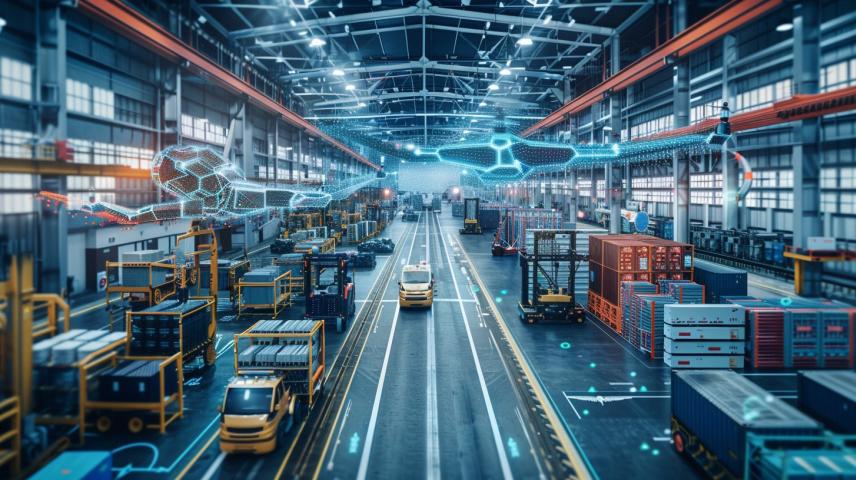
AI-driven supply chain platforms solve this issue by enabling intelligent automation, predictive insights, and real-time operational control across the entire logistics ecosystem.
How AI Is Transforming Supply Chain Operations
Artificial intelligence enables supply chain systems to analyze massive volumes of operational data and generate actionable insights instantly.
Instead of simply tracking operations, AI-powered platforms continuously optimize them.
Some of the biggest enterprise use cases include:
Predictive Demand Forecasting
Traditional forecasting models depend heavily on historical data. AI models analyze historical patterns alongside real-time variables like seasonality, customer behavior, weather, market trends, and economic conditions.
This improves demand accuracy and minimizes inventory risks.
McKinsey reports that AI-enabled forecasting can significantly reduce operational inefficiencies and improve supply chain responsiveness.
Intelligent Inventory Management
AI systems automatically monitor stock levels, warehouse movement, and replenishment cycles to prevent overstocking or shortages.
This helps enterprises:
- Reduce carrying costs
- Improve warehouse efficiency
- Increase order fulfillment accuracy
- Maintain optimal inventory turnover
Route Optimization and Logistics Automation
AI algorithms can dynamically optimize delivery routes based on traffic conditions, fuel costs, weather disruptions, and delivery priorities.
For logistics-heavy enterprises, this leads to:
- Faster deliveries
- Reduced transportation costs
- Better fleet utilization
- Improved customer satisfaction
Real-Time Supply Chain Visibility
One of the biggest limitations of legacy systems is the lack of end-to-end visibility.
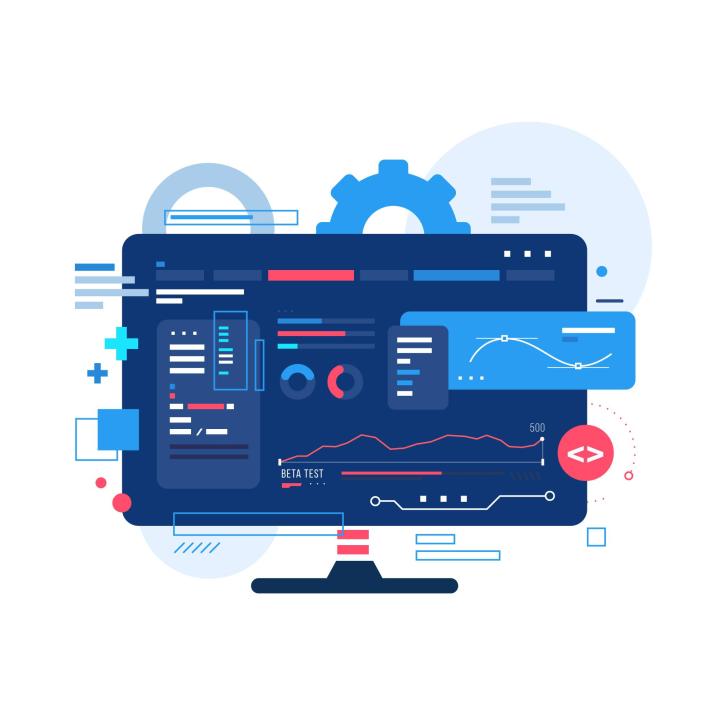
AI-powered platforms integrate data from suppliers, warehouses, distributors, and transportation systems into a centralized dashboard.
This enables enterprises to:
- Detect disruptions earlier
- Monitor supplier performance
- Track inventory movement in real time
- Improve decision-making speed
Predictive Maintenance in Warehousing and Manufacturing
AI systems can predict equipment failures before they happen by analyzing sensor data and machine performance patterns.
This minimizes downtime and reduces maintenance costs across manufacturing plants and warehouse operations.
Why Enterprises Are Investing in Custom AI Solutions
Many off-the-shelf supply chain platforms fail to address industry-specific workflows and enterprise scalability requirements.
Large enterprises often require:
- Complex ERP integrations
- Multi-location warehouse management
- Custom analytics dashboards
- Industry-specific compliance features
- AI-driven automation tailored to operations
- Scalable cloud infrastructure
This is why businesses increasingly prefer custom-built platforms developed through specialized supply chain software development services rather than relying entirely on generic software products.
Custom AI-powered systems offer:
- Greater operational flexibility
- Better scalability
- Higher security
- Personalized automation workflows
- Seamless integration with existing infrastructure
For enterprises managing global operations, customization becomes critical for maintaining long-term efficiency and competitive advantage.
AI Helps Enterprises Build Resilient Supply Chains
Supply chain resilience has become a major business priority after years of global disruptions caused by pandemics, geopolitical conflicts, labor shortages, and economic uncertainty.
AI-driven software helps enterprises prepare for disruptions proactively instead of reacting after problems occur.
These systems can:
- Identify supplier risks
- Predict potential delivery delays
- Simulate disruption scenarios
- Recommend alternative sourcing strategies
- Automate contingency planning
This level of intelligence allows enterprises to maintain business continuity even during unpredictable market conditions.
The Competitive Advantage of AI-Powered Supply Chains
Enterprises that adopt AI-driven supply chain software gain several measurable advantages over competitors:
Faster Decision-Making
AI systems analyze operational data in seconds, allowing leadership teams to make quicker and more informed decisions.
Reduced Operational Costs
Automation reduces manual work, minimizes errors, and optimizes logistics operations, directly lowering operational expenses.
Improved Customer Experience
Faster fulfillment, accurate deliveries, and better inventory availability lead to higher customer satisfaction and retention.
Better Scalability
AI-powered systems can scale alongside enterprise growth without requiring major process overhauls.
Increased Profitability
According to recent McKinsey analysis, companies successfully implementing AI strategies are beginning to generate measurable financial returns from focused AI deployment initiatives.
The Future of Enterprise Supply Chains Is AI-Driven
The future of supply chain management will be defined by intelligent automation, predictive analytics, and connected ecosystems.
AI is no longer an experimental technology. It is becoming a foundational capability for enterprises that want to remain competitive in rapidly evolving markets.
Organizations still relying on legacy infrastructure risk:
- Slower response times
- Higher operational costs
- Reduced agility
- Poor customer experiences
- Competitive disadvantages
Enterprises investing early in AI-powered transformation are positioning themselves to lead their industries over the next decade.
Businesses looking to modernize operations can benefit from advanced supply chain software development services that combine AI, automation, analytics, and scalable enterprise architecture to build future-ready digital supply chains.
For additional industry insights on AI adoption and operational transformation, McKinsey’s latest research on AI-enabled supply chains provides valuable market data and enterprise trends.