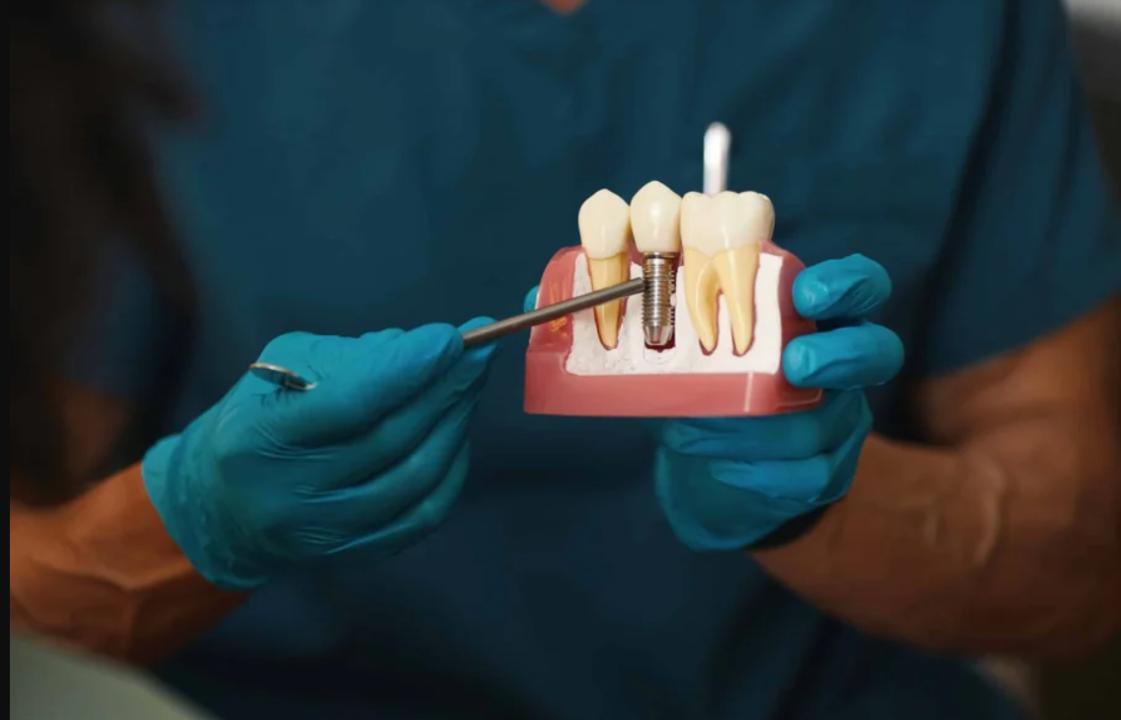
Losing teeth is more than simply a dental problem; it may greatly impact general health, oral function, and self-confidence. Although dentures and bridges provide answers, they often entail trade-offs in comfort, stability, or the necessity to change neighbouring healthy teeth. Providing a permanent, independent replacement that replicates the natural tooth from root to crown, dental implants have transformed restorative dentistry. A titanium post is surgically implanted into the jawbone, where it osseointegrates (fuses with bone) over several months, establishing a solid foundation for a bespoke crown. This design keeps the jawbone density, stops face drooping, and brings back practically normal chewing strength. Advanced techniques can even provide a complete set of fixed teeth in one operation, like the ground-breaking Teeth In A Day Manchester, for those aiming for a faster metamorphosis.
Natural Look and Feel
The best thing about dental implants is that they look and work like real teeth. The crown, which is usually made of high-quality ceramic or zirconia, is colour-matched to your other teeth and custom-shaped for a smooth mix. Since the implant is fastened in the jawbone rather than just resting on the gums like dentures, it feels stable and natural. No glue, slipping, or clicking is necessary. One may laugh, smile, and converse without the anxiety of a prosthetic displacement. An implant stands alone for one missing tooth and requires no grinding of neighbouring healthy teeth, which is a needed step for a conventional bridge. A significant long-term benefit is the preservation of natural tooth structure.
Preserves Facial Integrity And Stops Bone Loss
When a tooth is lost, the underlying jawbone loses its chewing-force-based stimulation. The bone resorbs (shrinks) over time, resulting in a sunken facial look, early wrinkles, and a shift in bite alignment. The only tooth replacement option that also replaces the root is dental implants, which transfers chewing forces to the bone and so avoids resorption. This osseointegration process maintains the jawbone's density and health. On the other hand, conventional dentures speed up bone loss. People with implants keep a younger-looking face profile and steer clear of the denture face look. By maintaining the structure, future implant placement in neighbouring locations remains feasible, therefore preserving alternatives for the future.
Long-Term Cost-Effectiveness And Durability
Although a dental implant costs more initially than a bridge or denture, its durability makes it considerably more cost-effective over the long run. An adequately integrated implant can endure 20, 30, or even 50 years, generally a lifetime, with good oral hygiene and frequent dental examinations. Normal wear could necessitate replacement of the crown after 10 to 15 years, but the titanium post persists. Most bridges last 5 to 10 years before they have to be replaced, and dentures need to be relined or replaced sometimes as bone form changes. Taking into account the expense of regular replacements, adjustments, adhesives, and maybe mending adjacent teeth damaged by bridgework, the implant comes as the most cost-effective, long-term answer.
Restores Chewing Capability And Biting Force
Since dentures usually only recover 20–30% of natural biting force, they restrict dietary options to soft items. Integrated into the bone, dental implants regain up to 90–95% of natural chewing strength. Fear of the prosthetic moving or fracturing may be eliminated, allowing patients to consume crunchy apples, crusty bread, steak, and nuts with confidence. This dietary independence has nutritional advantages since it permits a more diversified ingestion of fresh fruits, vegetables, and proteins vital for general health. Chewing is also the first stage of digestion; recovered efficiency raises nutrient absorption. The change in eating experience is enormous for patients moving from dentures, frequently referred to as life-changing in clinical trials.
No Harm to Nearby Healthy Teeth
To create abutments (anchors), traditional tooth-supported bridges call for the dentist to drill down into the two adjacent teeth. This weakens the natural enamel, leaving those teeth more prone to sensitivity, decay, and future breaks. If a bridge collapses, those shattered abutment teeth become a source of trouble. Dental implants completely avoid this. An implant is a self-supporting unit that stands on its own. The nearby teeth stay totally undamaged and unbroken. This conservative method upholds the idea of preserving natural tooth structure wherever feasible. An implant is the only ethical, biologically acceptable option for a patient with otherwise healthy surrounding teeth.
Conclusion
Representing the gold standard in tooth replacement, dental implants provide a permanent, natural-looking, and functional solution unmatched by bridges or dentures. They restore near-natural chewing power, safeguard neighbouring teeth, preserve jawbone health, and remove the everyday hassles of removable prosthetics. The initial investment is counterbalanced by decades of worry-free service, which makes implants the most cost-effective option over the long run. Patients who want a full grin makeover without having to wait for months have an accelerated, life-changing alternative in creative treatments like Teeth in a Day. In the end, dental implants are not simply about bridging a gap; they are about bringing back health, confidence, and quality of life.