Introduction
Modern surgery has entered a new era defined by precision, personalization, and predictability. Traditional implant-based procedures have long helped restore function and correct anatomical defects, but standardized solutions do not always accommodate the unique anatomical variations of every patient. Today, the growing use of patient-specific implants is significantly transforming surgical outcomes across orthopedic, cranio-maxillofacial (CMF), and reconstructive disciplines.
By integrating advanced imaging, digital planning, and precision manufacturing, surgeons can now deliver procedures that are tailored to individual anatomy. This evolution not only enhances surgical accuracy but also improves recovery, functional outcomes, and long-term implant performance. Companies like Curewith3D are contributing to this transformation by supporting personalized surgical solutions through advanced 3D technologies and digital workflows.
Understanding Patient-Specific Implants
Patient-specific implants are custom-designed medical devices created using detailed patient imaging data, such as CT or MRI scans. Unlike conventional, off-the-shelf implants, these devices are engineered to match the exact anatomical contours and structural requirements of an individual patient.
The process typically involves:
High-resolution imaging to capture precise anatomical data
Digital 3D modeling of the affected region
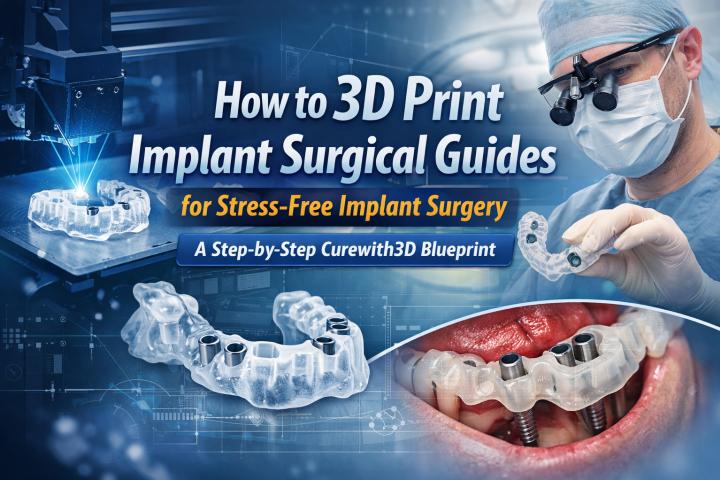
Virtual surgical planning to simulate implant positioning
Custom design and manufacturing of the implant
This personalized approach ensures that the implant fits accurately within the patient’s anatomy, reducing the need for intraoperative modification and improving surgical precision.
Why Standard Implants Have Limitations
Standard implants are designed to accommodate a broad population range. While they are effective in many cases, certain clinical situations present challenges, such as:
Complex deformities
Severe bone loss
Revision surgeries
Congenital anatomical variations
In such scenarios, surgeons may need to adjust implants during surgery, which can increase operating time and reduce predictability. Even minor misalignment can affect biomechanics, healing, and long-term implant stability.
Patient-specific implants address these limitations by aligning directly with the patient’s anatomical requirements from the outset.
Clinical Applications of Patient-Specific Implants
Orthopedic Surgery
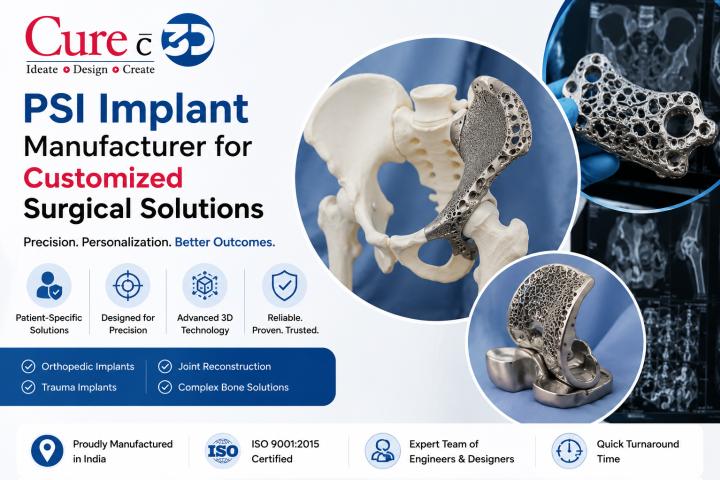
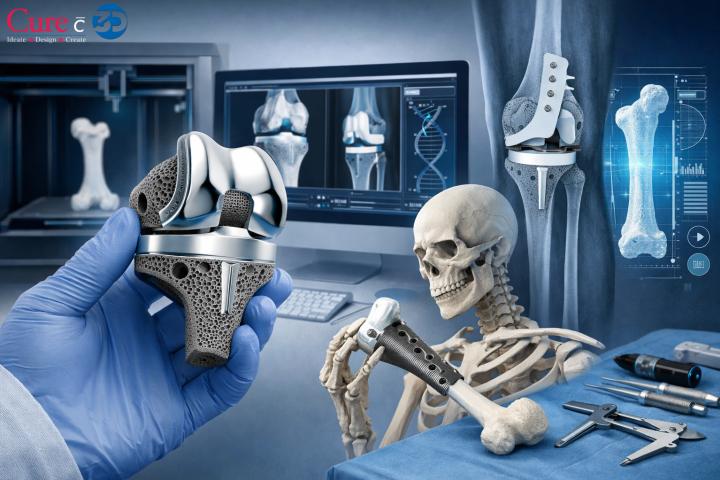
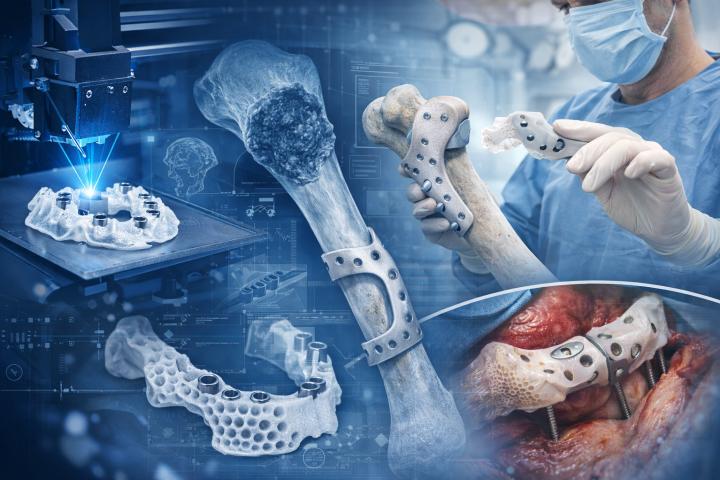
In orthopedics, personalized implants are increasingly used for joint reconstruction, tumor resections, trauma cases, and revision surgeries. Customized designs allow for improved load distribution and anatomical alignment, particularly in complex cases where standard implants may not fit optimally.
Precise reconstruction contributes to better joint mechanics, improved mobility, and reduced risk of early implant failure.
Cranio-Maxillofacial (CMF) Surgery
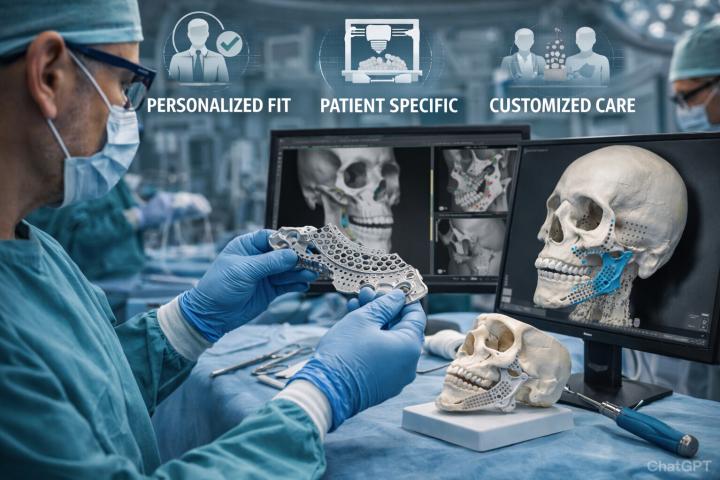
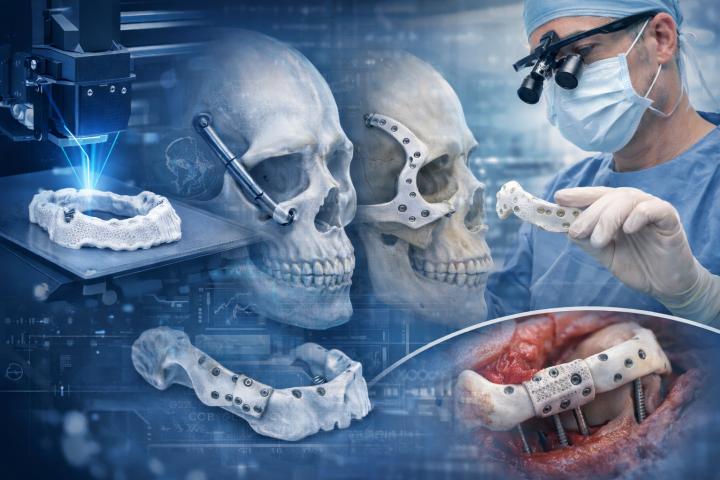
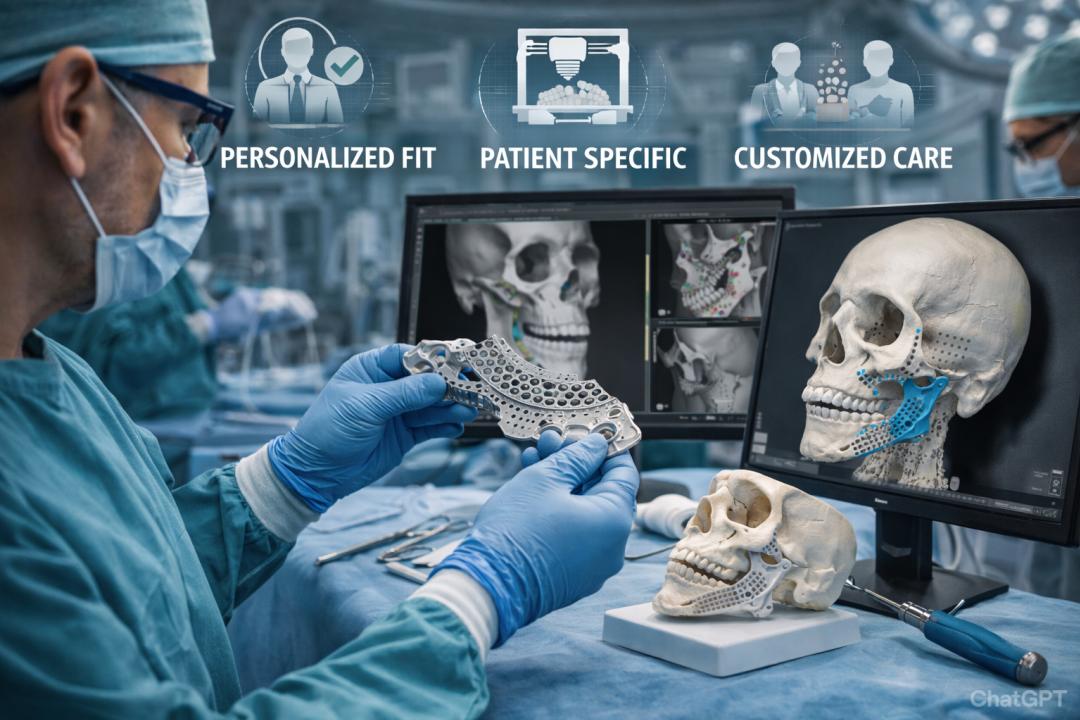
CMF procedures often require meticulous reconstruction due to the functional and aesthetic importance of facial structures. Patient-specific implants enable accurate restoration of facial symmetry and contour following trauma, tumor removal, or congenital deformity correction.
The ability to digitally simulate the surgical outcome before the procedure significantly enhances predictability and patient satisfaction.
Spinal and Reconstructive Procedures
Spinal surgeries and major reconstructive procedures benefit from custom implants that accommodate patient-specific curvature, defect size, and bone quality. Personalized solutions improve stability and may reduce the need for extensive intraoperative adjustments.
How Digital Planning Improves Surgical Outcomes
The integration of digital technology plays a central role in the success of patient-specific implants. Virtual planning allows surgeons to:
Visualize anatomy in three dimensions
Simulate implant positioning and alignment
Anticipate surgical challenges
Optimize implant design before surgery
This approach enhances surgical confidence and reduces variability. Preoperative digital workflows also improve communication between surgical teams, engineers, and patients.
Curewith3D supports this digital ecosystem by enabling advanced 3D-based planning and manufacturing processes that align with modern surgical standards.
Key Benefits of Patient-Specific Implants
1. Enhanced Precision
Customized implants are designed according to exact anatomical measurements, reducing alignment errors and improving biomechanical accuracy.
2. Reduced Surgical Time
Pre-designed implants minimize intraoperative adjustments, potentially shortening procedure duration and reducing anesthesia exposure.
3. Improved Functional Outcomes
Better anatomical fit contributes to improved joint movement, structural stability, and long-term performance.
4. Lower Risk of Complications
Accurate placement and stable fixation can decrease the likelihood of implant loosening, wear, or revision surgery.
5. Greater Patient Satisfaction
Especially in visible areas such as the face or jaw, personalized reconstruction improves aesthetic outcomes and patient confidence.
The Role of Advanced Manufacturing Technologies
Modern manufacturing technologies, including additive manufacturing and precision machining, allow for the production of highly complex implant geometries that were previously difficult or impossible to create.
These technologies enable:
Complex internal lattice structures for improved bone integration
Lightweight yet strong implant designs
Optimized surface textures for better osseointegration
Such innovations support both mechanical performance and biological compatibility.
Curewith3D integrates advanced design and manufacturing workflows to facilitate the development of customized solutions that meet high clinical and quality standards.
Challenges and Considerations
While patient-specific implants offer numerous advantages, several considerations must be addressed:
Cost and resource requirements: Personalized solutions may require advanced imaging and design processes.
Regulatory compliance: Custom implants must meet strict safety and quality standards.
Surgical expertise: Successful outcomes depend on proper planning and skilled surgical execution.
However, as technology becomes more accessible and workflows become more streamlined, these challenges are gradually being mitigated.
Future Directions in Personalized Surgical Care
The future of patient-specific implants is closely linked to advancements in digital health technologies. Artificial intelligence, predictive analytics, and automated design tools are expected to further refine implant customization.
Potential developments include:
AI-assisted implant design
Real-time intraoperative navigation systems
Smart implants capable of monitoring load and healing
Integration with robotic-assisted surgery
These innovations will likely enhance surgical precision and expand the range of cases where personalized implants can be effectively applied.
Conclusion
The evolution of patient-specific implants represents a significant milestone in modern surgical care. By moving beyond standardized solutions, surgeons can now address individual anatomical complexities with greater precision and predictability.
Through improved fit, reduced operating time, enhanced functional outcomes, and lower complication rates, personalized implants are transforming how complex surgeries are performed across orthopedic, cranio-maxillofacial, and reconstructive specialties.
With the support of advanced digital technologies and specialized providers like Curewith3D, the future of surgery is increasingly personalized, data-driven, and outcome-focused. As innovation continues, patient-specific solutions will play an even greater role in delivering safer, more effective, and truly individualized surgical care.