Introduction
Bone tumor reconstruction has long been one of the most complex challenges in orthopedic oncology. Surgeons must not only remove aggressive tumors with precision but also restore anatomy, function, and quality of life—often under immense time pressure. Traditional, off-the-shelf implants frequently fall short, leading to poor fit, longer surgeries, higher complication rates, and compromised outcomes.
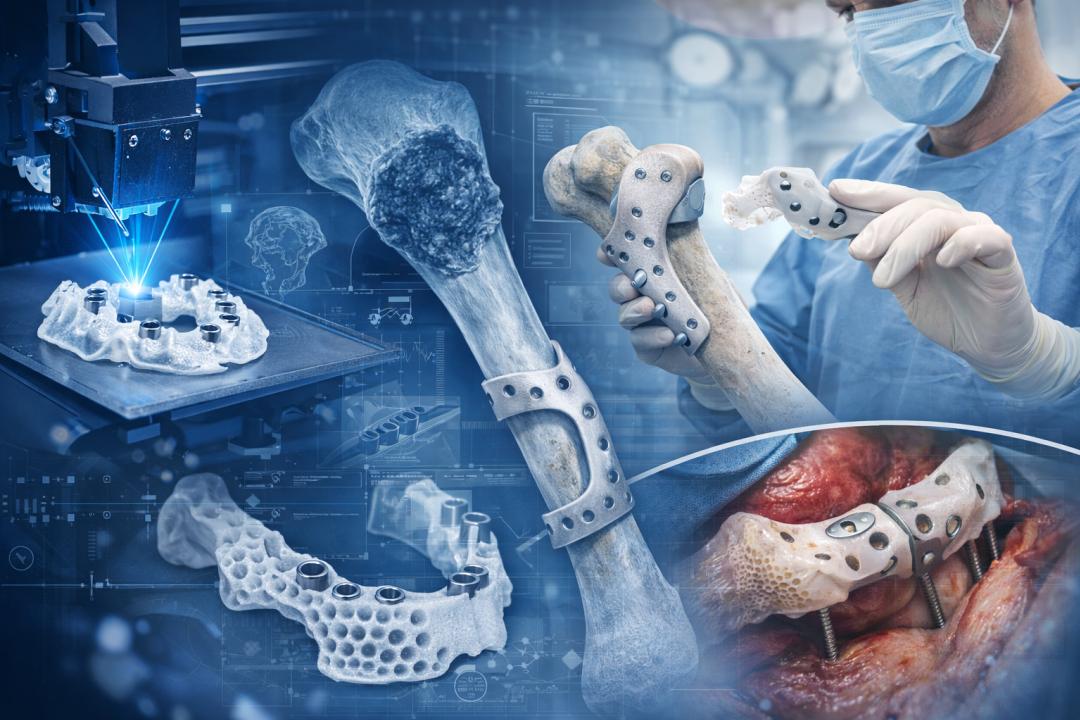
Patient-Specific Implants (PSIs) are rapidly changing this reality. By combining advanced medical imaging, digital design, and metal 3D printing, PSIs are redefining what is possible in bone tumor reconstruction. Hospitals and surgeons worldwide are now adopting this technology to deliver faster, safer, and more predictable results.
In this blog, we explore how patient-specific implants are transforming bone tumor reconstruction, answer frequently asked questions, share compelling insights, and explain why this innovation is becoming the new standard of care.
What Are Patient-Specific Implants (PSIs)?
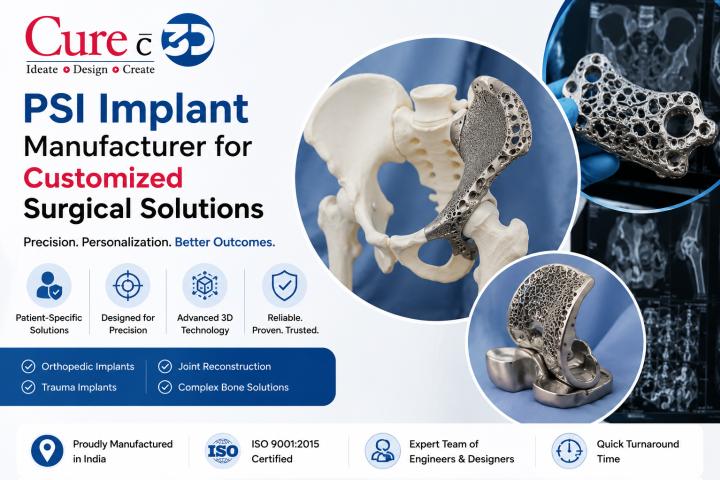
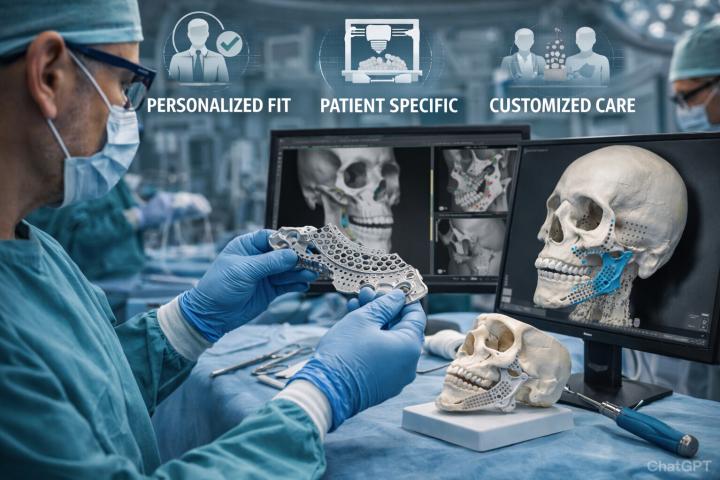
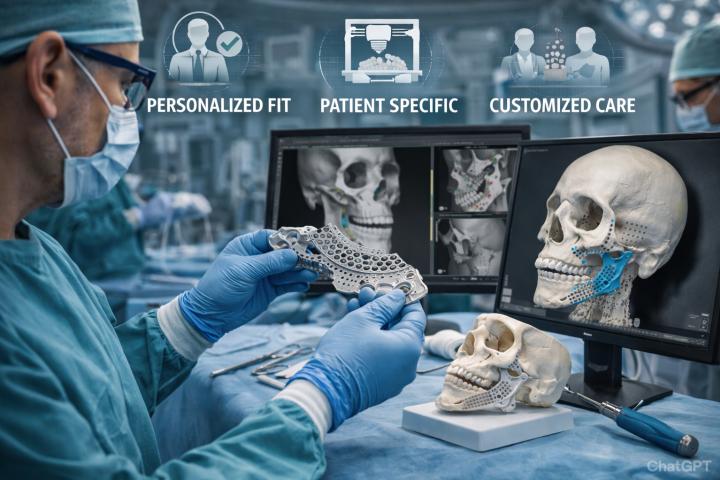
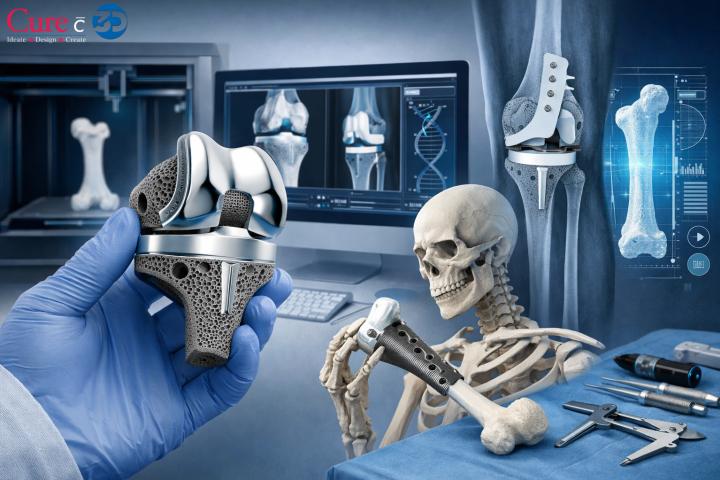
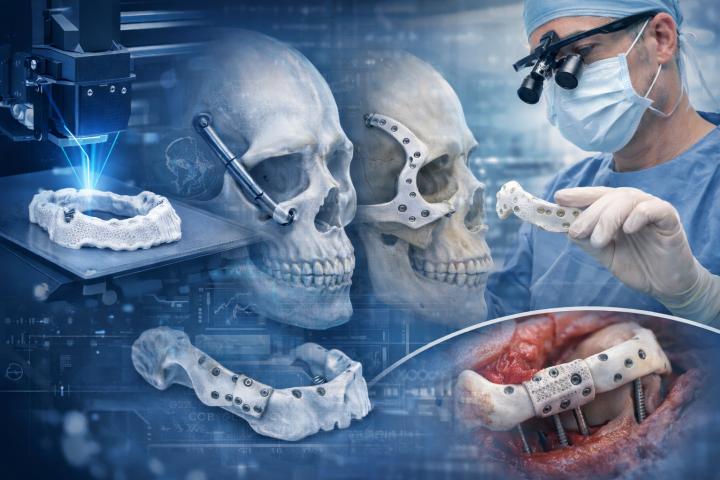
Patient-specific implants are custom-designed medical implants created to match an individual patient’s anatomy exactly. Using CT or MRI data, engineers design implants that replicate the resected bone segment with millimeter-level accuracy.
Unlike standard implants, PSIs are:
Designed for one patient only
Manufactured using medical-grade titanium or alloys
Optimized for anatomical fit, load distribution, and osseointegration
This personalized approach is especially critical in bone tumor reconstruction, where bone loss is irregular and extensive.
Why Traditional Reconstruction Methods Are No Longer Enough
1. Poor Anatomical Fit
Standard implants are built for average anatomy—not for patients with complex tumor defects. This often leads to gaps, instability, and compromised biomechanics.
2. Longer Surgical Time
Surgeons must manually adjust implants intraoperatively, increasing operating room time and blood loss.
3. Higher Complication Rates
Studies show complication rates of 30–50% in complex tumor reconstructions using conventional methods, including implant loosening, infection, and mechanical failure.
Patient-specific implants directly address these challenges.
How Patient-Specific Implants Are Transforming Bone Tumor Reconstruction
1. Precision-Driven Tumor Resection
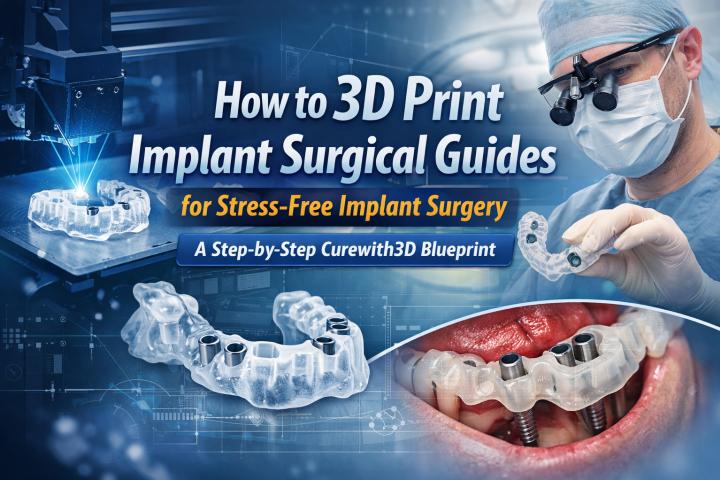
PSIs are often combined with patient-specific cutting guides, enabling surgeons to:
Achieve accurate tumor margins
Preserve healthy bone
Reduce the risk of local recurrence
This precision is crucial in oncologic surgery, where every millimeter matters.
2. Perfect Anatomical Fit and Stability
Because PSIs mirror the patient’s anatomy:
Implant alignment is predictable
Load distribution is optimized
Joint mechanics are preserved
This leads to improved functional outcomes and faster rehabilitation.
3. Reduced Surgical Time and Blood Loss
Pre-planned implants eliminate trial-and-error during surgery. According to published clinical data:
Operating time can be reduced by 20–35%
Blood loss may decrease by up to 30%
For hospitals, this translates into lower costs and higher surgical efficiency.
4. Enhanced Osseointegration and Longevity
Modern PSIs use porous titanium structures, encouraging natural bone ingrowth. This improves:
Implant stability
Long-term fixation
Overall implant survival rates
These designs significantly outperform traditional solid implants.
5. Improved Patient Quality of Life
Patients benefit from:
Faster recovery
Reduced postoperative pain
Better limb function
Higher satisfaction rates
In limb-salvage procedures, PSIs often eliminate the need for amputation—an emotionally and physically life-changing outcome.
Frequently Asked Questions (FAQs)
Are patient-specific implants safe for cancer patients?
Yes. PSIs are manufactured from biocompatible, FDA-approved materials and undergo strict quality checks. They are widely used in orthopedic oncology globally.
Do PSIs delay cancer surgery?
No. With optimized digital workflows, implants can be designed and manufactured within 2–4 weeks, fitting seamlessly into treatment timelines.
Which bones benefit most from PSIs in tumor reconstruction?
PSIs are highly effective for:
Pelvis
Femur
Tibia
Humerus
Scapula
These areas often involve complex geometry and load-bearing demands.
Are patient-specific implants cost-effective?
While the upfront cost may be higher, PSIs reduce:
Revision surgeries
Hospital stay duration
Postoperative complications
This makes them cost-effective in the long term.
Do PSIs improve long-term outcomes?
Clinical evidence shows higher implant survival rates and improved functional scores compared to traditional reconstruction methods.
Key Technologies Powering Patient-Specific Implants
Advanced CT/MRI Imaging
Virtual Surgical Planning (VSP)
AI-assisted implant design
Metal 3D printing (EBM & SLM)
Porous lattice engineering
These technologies work together to deliver unmatched precision and predictability.
The Future of Bone Tumor Reconstruction
The future is clear: personalization is no longer optional—it is essential. As oncology cases become more complex and patient expectations rise, hospitals that adopt patient-specific implants gain a decisive competitive advantage.
Emerging trends include:
AI-driven implant optimization
Faster manufacturing cycles
Integration with robotic surgery
Improved long-term outcome tracking
Conclusion
Patient specific implants are revolutionizing bone tumor reconstruction by offering precision, personalization, and performance that traditional implants simply cannot match. From accurate tumor removal to faster recovery and improved quality of life, PSIs represent a transformative shift in orthopedic oncology.
For surgeons, hospitals, and patients alike, adopting patient-specific implants is not just an innovation—it is a strategic decision that defines the future of cancer reconstruction care.