In healthcare settings, every piece of furniture plays a role in patient experience and clinical efficiency — especially seating. A thoughtfully selected hospital chairs solution can improve comfort, reduce fall risks, support infection control, and even make daily caregiving easier for staff.
Whether you’re furnishing a new facility or upgrading existing spaces, choosing the right healthcare chair or patient chair requires more than simply comparing prices. Here’s what decision-makers should truly consider.
Understand the Purpose of the Space
Not all hospital chairs serve the same function. A waiting room seat has different requirements than a recovery recliner or a resident lounge chair in a care home.
Start by asking:
Will patients sit for short or extended periods?
Is the chair used for treatment, recovery, or general seating?
Does it need to support elderly or mobility-impaired individuals?
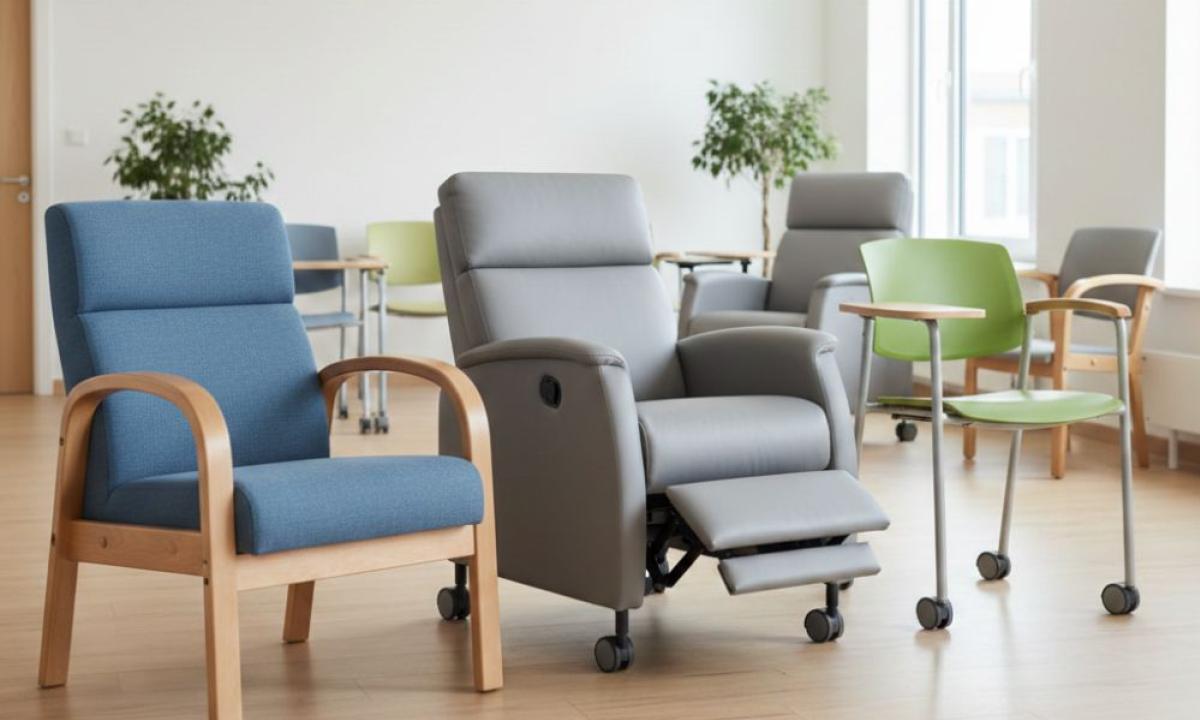
A dialysis unit may require fully adjustable patient recliners, while a care home lounge might prioritize supportive yet homely seating. Matching the chair design to the environment prevents discomfort and premature wear.
Comfort Is Not a Luxury — It’s Part of Care
Patients in hospitals and long-term care settings often spend hours seated. Poor posture and inadequate cushioning can contribute to pressure injuries, back pain, and fatigue.
Look for a patient chair that offers:
Ergonomic back support
Adequate seat depth and width
High-density foam that retains its shape
Supportive armrests for stability
For elderly residents, slightly higher seat heights can make sitting down and standing up much safer. A comfortable healthcare chair does more than feel good — it supports recovery and dignity.
Infection Control Should Be Built In
Infection prevention is central to healthcare operations. Chairs must withstand daily cleaning routines without compromising material integrity.
High-quality hospital chairs often feature:
Medical-grade vinyl or antimicrobial upholstery
Seam-sealed surfaces to prevent fluid penetration
Easy-clean frames with minimal crevices
Resistance to common disinfectants
Fabric chairs, while visually appealing, may not always meet strict hygiene standards unless specially treated. Durability under frequent sanitation is essential.
Safety and Stability Are Non-Negotiable
Falls are among the most common risks in healthcare facilities. Seating that lacks stability can increase those risks.
When evaluating a healthcare chair, check for:
Non-slip feet or locking castors
Solid, reinforced frames
Proper weight capacity ratings
Balanced design that prevents tipping
In bariatric care, chairs must offer both strength and wider seating dimensions. Investing in properly rated hospital chairs reduces liability and enhances patient confidence.
Support for Caregivers Matters Too
Nurses and caregivers frequently assist patients in transferring from beds to chairs. Poorly designed seating can strain staff physically.
A well-designed patient chair should:
Provide sturdy armrests for assisted movement
Sit at a safe transfer height
Offer smooth reclining mechanisms if adjustable
Allow easy repositioning when necessary
Furniture that supports staff ergonomics ultimately improves workflow and reduces workplace injuries.
Durability and Long-Term Value
Healthcare furniture faces constant use. Unlike residential furniture, hospital chairs must endure heavy traffic and repeated cleaning cycles.
Consider:
Frame materials such as powder-coated steel or hardwood
Manufacturer warranties
Replaceable upholstery panels
Scratch and moisture resistance
While cost is always a factor, cheaper seating may lead to higher long-term replacement expenses. Durable healthcare chair solutions often provide better value over time.
Creating a Healing Environment
Modern hospitals and care homes are moving away from cold, clinical interiors. A well-designed seating solution contributes to a calm and reassuring atmosphere.
Color choices, wood finishes, and contemporary silhouettes can soften the environment. In care homes especially, comfortable and inviting hospital chairs can help residents feel more at home rather than institutionalized.
A welcoming space positively influences emotional well-being — something often overlooked in furniture selection.
Flexibility and Adaptability
Healthcare needs evolve. Spaces may be reconfigured, expanded, or repurposed. Modular and stackable seating offers adaptability.
In outpatient clinics or multipurpose rooms, lightweight yet durable healthcare chair models make rearranging layouts easier. Flexibility ensures your investment continues to serve changing needs.
Compliance and Standards
Always ensure that any patient chair meets fire safety and healthcare compliance regulations. Certified products provide peace of mind and demonstrate a commitment to quality care standards.
Working with reputable suppliers who understand healthcare requirements helps ensure you’re not compromising on safety or performance.
Final Thoughts
Selecting the right hospital chairs is not simply about filling a room with seating. It’s about supporting patients through recovery, protecting staff from injury, maintaining hygiene standards, and creating a comfortable environment that reflects quality care.
A carefully chosen healthcare chair enhances safety, durability, and patient satisfaction. When you invest thoughtfully in the right patient chair solutions, you are investing in better outcomes — both clinical and human.
In healthcare, even the smallest details can influence comfort, confidence, and recovery. The right chair is one of those details that truly makes a difference.
Original Article - https://www.retailandwholesalebuyer.com/choose-hospital-chairs-care-homes