Key Takeaways
1) Establish clear and fair absence policies with transparent processes.
2) Implement technology-enabled systems to track and analyze absences efficiently.
3) Promote holistic wellness to proactively address absenteeism factors.
4) Facilitate productive reintegration of returning employees.
5) Analyze absence data for trends to refine management strategies.
Managing employee absences effectively is fundamental to maintaining productivity levels and ensuring team cohesion. The right approach to employee absence management helps avoid workflow disruptions, fosters transparency, and contributes to a positive workplace culture. It also encourages accountability while supporting employee well-being through thoughtful policies and processes.
Organizations that adopt robust absence management strategies not only reduce the occurrences and impacts of unscheduled absences but also build a reputation for fairness and employee support. Absence policies set the tone for organizational expectations, aid in compliance, and ensure all employees are treated consistently, setting a solid foundation for success.
Develop Clear and Comprehensive Absence Policies
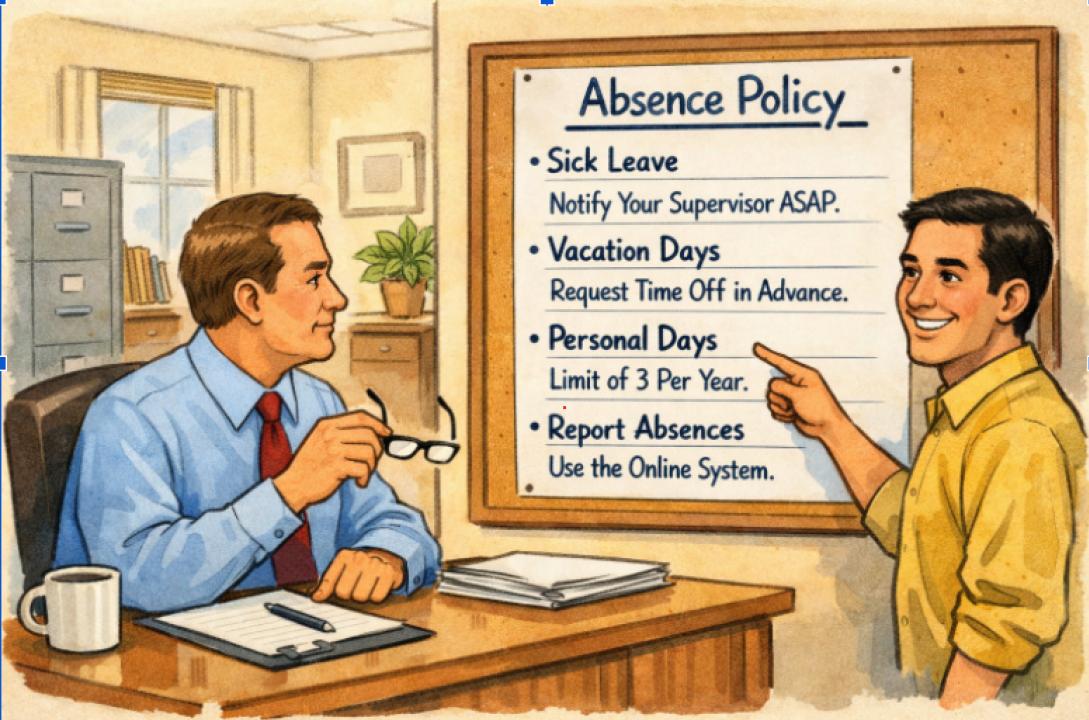
Creating precise and accessible absence policies is an essential first step. These policies should specify how employees report absences, what constitutes valid reasons for various leave types, and what supporting documentation may be required. Including details such as notification timelines and the range of absences covered (sick leave, personal days, family emergencies) establishes a consistent framework that all employees can reference, fostering fairness and reducing misunderstandings.
Transparent policies also empower managers to address issues consistently and mitigate risks related to discrimination or grievances. Regularly communicating these policies ensures everyone understands their responsibilities, supporting an environment of mutual respect.
Furthermore, these documented policies help new hires transition smoothly into the organizational culture, allowing them to align easily with expectations. Workshops and training sessions on policy clarity can offer additional opportunities for employees to ask questions and for HR to provide clarification, thereby deepening understanding and strengthening adherence to guidelines. Making absence policies readily available through an employee handbook or internal HR portal further guarantees equitable access to this important information for all staff.
Utilize Centralized Systems for Tracking and Managing Absences
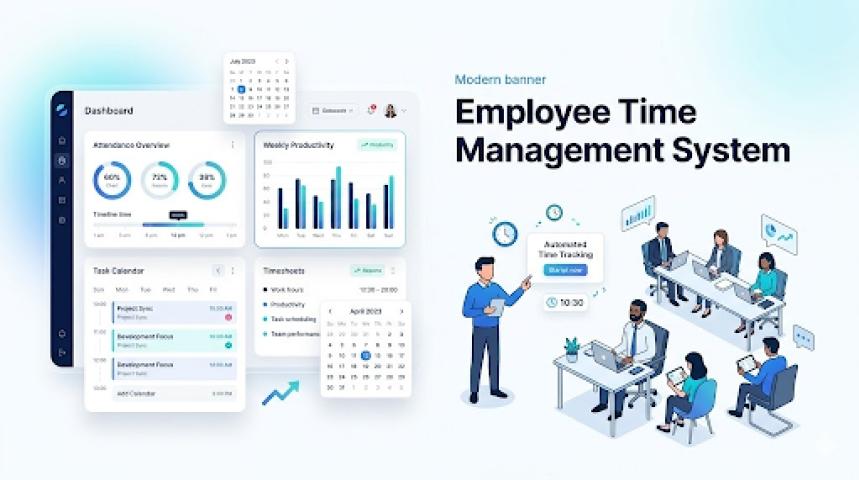
Modern absence management requires a single source of truth for recording, authorizing, and tracking absences. A centralized system simplifies administrative tasks, allowing HR teams and managers to access real-time data and automate routine processes such as leave requests, approvals, and documentation storage. These digital tools create transparency and can even send reminders, automate follow-up, and flag recurring patterns that require attention.
Effective use of centralized technology improves resource planning. Managers can quickly see where staffing pressures may arise and make changes to schedules or workloads, minimizing operational impact.
Promote Employee Wellness to Reduce Absenteeism
Preventative measures are key to minimizing unplanned absences. Comprehensive wellness programs support employee mental and physical health, directly lowering rates of illness-related absenteeism. Organizations should provide access to mental health resources, employee assistance programs, and fitness initiatives. Flexibility in scheduling and a culture that normalizes the use of paid time off also help employees manage stress, recharge, and return more productive.
Addressing wellness holistically by supporting work-life balance, offering opportunities for social connection, and providing tools to manage workload stress helps build a more resilient workforce. According to SHRM, companies with robust wellness programs typically see greater engagement and reduced unplanned absences.
Introducing regular health screenings, on-site health days, or providing access to telehealth services can offer additional support to employees. Nutrition workshops, financial wellness resources, and incentives for healthy actions, such as tracking steps or quitting smoking, can further extend the reach and positive effects of a wellness program. By taking a proactive and comprehensive approach to well-being, companies foster a workplace where taking care of one’s health is both encouraged and supported at every level of the organization.
Implement Return-to-Work Programs to Support Employees
An effective return-to-work program can be pivotal for employees coming back after a significant absence. These programs should be collaborative, involving HR, direct supervisors, and sometimes occupational health professionals. Clear communication about expectations, responsibilities, and any reasonable workplace adjustments is essential. Transitional arrangements, such as reduced hours or modified duties, can ease the shift back to full productivity.
Such structured processes demonstrate a commitment to employee well-being while minimizing risks associated with rushed returns and potential relapses. Thoughtful reintegration also bolsters retention and loyalty.
Leverage Data Analytics to Monitor and Improve Absence Management
Data analytics transform absence tracking from a logistical necessity into a strategic advantage. By systematically analyzing absence data, organizations can identify trends such as departments or times of year with higher absenteeism. These insights allow leaders to proactively refine policies, target wellness interventions, and optimize staffing levels based on known patterns.
Integrating analytics with other HR systems supports continuous improvement in overall absence management and operational resilience. The Harvard Business Review outlines how data-driven HR practices can lead to measurable business improvements and more efficient workforce management.
Encourage Open Communication and Support
Establishing regular, open dialogue between employees and managers regarding absence-related issues increases trust and removes the stigma from discussing challenges. Creating multiple communication channels, from confidential online forms to regular one-on-one check-ins, ensures employees can express their needs comfortably.
Support measures, such as access to counseling, and a demonstrated willingness to accommodate genuine needs, make it easier to address issues before they lead to absenteeism. This culture of transparency can reveal patterns or systemic issues that need addressing at the organizational level.
Organizations may also consider establishing employee resource groups (ERGs) or peer support networks, which can offer a safe and informal way for employees to share experiences, seek suggestions, and address shared challenges. When employees feel heard and supported, they are less likely to disengage or be absent without notice—promoting a healthier, more communicative environment for everyone involved.
Regularly Review and Update Absence Policies
To remain effective, absence management policies must evolve with organizational needs, external regulatory requirements, and feedback from employees. A regular, scheduled review of policies, conducted in consultation with stakeholders, ensures that processes remain relevant and widely accepted. This review should include analysis of recent absence data, feedback from exit interviews, and benchmarking against industry standards.
Updating policies not only maintains compliance but also demonstrates responsiveness and accountability, reinforcing a culture of respect and care throughout the organization.
Conclusion
Effective absence management balances organizational needs and employee well-being. Organizations that set clear expectations, utilize technology, focus on wellness, and foster open communications are well-positioned to minimize the impacts of absences. Through continuous improvement and the strategic use of analytics, absence management becomes a vital part of a positive, productive workplace culture.