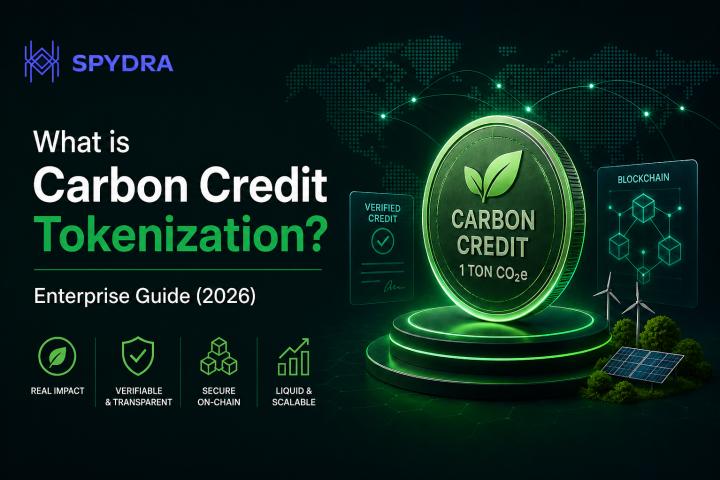
The global push toward sustainability and carbon neutrality is transforming how businesses manage environmental responsibility. Carbon credits have become a major financial and compliance asset, allowing organizations to offset emissions while supporting certified environmental projects. As demand for transparent and scalable trading systems grows, businesses are increasingly investing in advanced digital platforms for carbon credit exchanges.
Modern carbon trading platforms are no longer limited to basic buying and selling systems. Today’s marketplaces require blockchain-powered verification, automated transaction processing, smart contracts, ESG reporting, and enterprise-grade security. Companies entering this space need reliable technology partners capable of building scalable ecosystems designed for verified carbon asset trading.
A verified carbon credit exchange platform helps organizations securely trade certified carbon credits while maintaining transparency, regulatory compliance, and trust between buyers and sellers. Whether a business plans to launch a decentralized exchange, enterprise sustainability marketplace, or blockchain-based carbon ecosystem, proper marketplace architecture is essential for long-term growth.
Understanding Carbon Credit Exchange Platforms
A carbon credit exchange platform is a digital marketplace where verified environmental credits are traded between businesses, organizations, governments, and investors.
Each carbon credit generally represents the reduction or removal of one metric ton of carbon dioxide or greenhouse gas emissions from the atmosphere. These credits are generated through approved sustainability projects such as:
- Renewable energy initiatives
- Reforestation projects
- Waste management systems
- Methane capture programs
- Sustainable agriculture operations
The marketplace provides infrastructure for managing listings, transactions, verification, settlement, and ownership tracking.
Modern exchanges usually include:
- Carbon asset management
- Real-time market pricing
- Trading dashboards
- Blockchain integration
- Smart contract automation
- Compliance tracking
- User verification systems
- ESG analytics
Why Carbon Credit Exchanges Are Expanding Globally
The carbon economy is growing rapidly due to increasing environmental awareness and regulatory pressure.
Corporate Sustainability Goals
Large enterprises are actively pursuing carbon neutrality and net-zero commitments. Verified carbon credits help organizations offset unavoidable emissions.
Government Regulations
Many governments are introducing environmental regulations that require businesses to reduce or compensate for emissions.
ESG Investment Growth
Environmental, Social, and Governance initiatives are now major priorities for investors and global corporations.
Blockchain Adoption
Blockchain technology improves transparency and trust within carbon trading systems.
Green Asset Demand
Carbon credits are increasingly viewed as tradeable digital environmental assets with long-term value.
What a Carbon Marketplace Development Company Does
A carbon marketplace development company creates the infrastructure required to launch and manage verified environmental trading platforms.
Their responsibilities usually include:
- Marketplace design and development
- Blockchain implementation
- Carbon tokenization
- Trading engine development
- Wallet integration
- Smart contract creation
- Compliance systems
- Security implementation
- API development
- Analytics dashboards
- User onboarding systems
Professional development teams help businesses build scalable exchanges capable of supporting global environmental markets.
Key Features of a Verified Carbon Trading Platform
Successful carbon marketplaces require advanced features that support secure, transparent, and efficient operations.
User Authentication and Verification
Identity verification helps reduce fraud and improves compliance.
Features often include:
- KYC onboarding
- Multi-factor authentication
- AML compliance
- Business verification systems
- Role-based permissions
Carbon Credit Listings
Project owners should be able to list verified carbon assets with detailed project information.
Listing details may include:
- Certification authority
- Project category
- Geographic region
- Credit volume
- Expiration timeline
- Verification status
Advanced Trading Engine
The trading engine powers marketplace operations and transaction execution.
Capabilities may include:
- Spot trading
- Auction trading
- Automated order matching
- Peer-to-peer transactions
- Dynamic pricing
Blockchain-Powered Transparency
Blockchain technology creates immutable records that improve trust and transparency.
Benefits include:
- Ownership tracking
- Fraud reduction
- Transparent settlement
- Credit traceability
Smart Contract Automation
Smart contracts automate marketplace operations without relying on intermediaries.
Common use cases include:
- Trade settlement
- Escrow systems
- Compliance validation
- Automated transfers
Digital Wallet Support
Users need secure storage for tokenized carbon assets and marketplace funds.
Platforms may support:
- Crypto wallets
- Stablecoin payments
- Fiat integrations
- Multi-currency transactions
Analytics and Reporting
Businesses require access to market data and sustainability insights.
Analytics systems often display:
- Portfolio performance
- Carbon offset history
- Market pricing trends
- ESG metrics
- Trading activity
Security Infrastructure
Security is critical for protecting environmental assets and marketplace transactions.
Platforms generally implement:
- Data encryption
- DDoS protection
- Secure APIs
- Smart contract auditing
- Continuous monitoring systems
Blockchain Technology in Carbon Exchanges
Blockchain has become one of the most important technologies in environmental trading.
Traditional carbon markets often face challenges such as:
- Duplicate credits
- Poor transparency
- Delayed verification
- Transaction disputes
Blockchain solves these issues through decentralized and tamper-resistant recordkeeping.
Advantages of Blockchain-Based Carbon Markets
Transparent Transactions
Every trade can be verified publicly through blockchain records.
Improved Trust
Decentralized systems reduce manipulation and unauthorized modifications.
Automated Operations
Smart contracts automate settlement and transaction execution.
Global Participation
Blockchain supports international trading without centralized restrictions.
Enhanced Asset Traceability
Tokenized credits can be tracked throughout their lifecycle.
Different Types of Carbon Trading Platforms
Businesses may choose different marketplace models depending on operational goals.
Enterprise Carbon Exchanges
Designed for large-scale B2B carbon trading operations.
Decentralized Carbon Marketplaces
Blockchain-based exchanges operating through decentralized infrastructure.
Voluntary Carbon Markets
Platforms supporting businesses that voluntarily offset emissions.
Compliance Carbon Markets
Systems designed to meet government-regulated environmental standards.
Hybrid Marketplace Models
Platforms combining centralized administration with blockchain verification.
Industries Investing in Carbon Credit Platforms
Many industries are adopting carbon trading systems to improve sustainability efforts.
Energy Sector
Energy providers use carbon marketplaces to manage environmental obligations.
Transportation Industry
Airlines and logistics companies purchase offsets for operational emissions.
Manufacturing
Industrial organizations use carbon credits to support sustainability goals.
Real Estate
Developers integrate carbon neutrality into green construction initiatives.
Technology Companies
Tech businesses increasingly participate in ESG-driven sustainability programs.
Agriculture
Agricultural projects generate verified environmental credits through sustainable practices.
Technology Stack Used in Marketplace Development
Carbon exchange platforms require modern and scalable infrastructure.
Frontend Development
Popular frontend frameworks include:
- React
- Angular
- Vue.js
Backend Development
Backend systems may use:
- Node.js
- Python
- Java
- Golang
Blockchain Networks
Popular blockchain solutions include:
- Ethereum
- Polygon
- Solana
- Hyperledger
Cloud Infrastructure
Most enterprise platforms rely on:
- AWS
- Google Cloud
- Microsoft Azure
Database Solutions
Common databases include:
- PostgreSQL
- MongoDB
- MySQL
Importance of Verified Carbon Credits
Verification is essential for marketplace credibility and environmental integrity.
Verified credits help prevent:
- Fraudulent projects
- Duplicate issuance
- False sustainability claims
- Regulatory violations
Trusted verification organizations may include:
- Verra
- Gold Standard
- Climate Action Reserve
- American Carbon Registry
Verified environmental assets increase trust between marketplace participants and improve long-term platform reliability.
Challenges in Carbon Marketplace Development
Developing a secure carbon exchange platform involves several technical and operational challenges.
Regulatory Complexity
Environmental regulations vary across regions and jurisdictions.
Blockchain Scalability
Large marketplaces require infrastructure capable of handling high transaction volumes.
Security Risks
Smart contracts and wallet systems must undergo extensive security testing.
Market Liquidity
New marketplaces need active participation from both buyers and sellers.
Third-Party Integrations
Platforms often require integrations with:
- Verification agencies
- Payment systems
- ESG reporting tools
- Blockchain services
Data Accuracy
Reliable environmental data is essential for marketplace credibility.
AI and Automation in Carbon Trading
Artificial intelligence is improving the efficiency of modern carbon marketplaces.
AI technologies help platforms with:
- Fraud detection
- Market forecasting
- Automated compliance checks
- Carbon pricing analysis
- Sustainability reporting
- Risk management
AI-driven insights also help businesses optimize environmental investment strategies and trading decisions.
How to Choose the Right Development Partner
Choosing the right marketplace development company is critical for platform success.
Businesses should evaluate providers based on:
Blockchain Development Experience
The company should have proven expertise in decentralized infrastructure and smart contracts.
Security Standards
Strong cybersecurity and auditing capabilities are essential.
Scalability
The platform architecture should support future market growth.
Environmental Market Understanding
The team should understand carbon trading workflows and sustainability requirements.
Customization Capability
Every marketplace has different operational and compliance needs.
Integration Support
The company should support API integrations with external systems and verification authorities.
Some organizations also combine marketplace development with Carbon Credit Consulting Services to strengthen compliance planning and sustainability strategies before platform deployment.
Future of Verified Carbon Exchanges
The carbon economy is expected to expand significantly in the coming years. Digital marketplaces will become a core part of environmental finance infrastructure.
Future innovations may include:
- AI-powered sustainability analytics
- Decentralized environmental finance
- NFT-based environmental assets
- Real-time carbon tracking systems
- Cross-border digital exchanges
- Automated ESG compliance platforms
As sustainability initiatives continue to grow globally, verified carbon exchanges will play a major role in supporting transparent and scalable environmental trading ecosystems.
Conclusion
Verified carbon credit exchanges are becoming an essential part of the global sustainability economy. Businesses now require secure, transparent, and scalable platforms capable of supporting modern environmental asset trading. A professional marketplace development company helps organizations build advanced trading ecosystems powered by blockchain, smart contracts, analytics, and compliance systems.
From decentralized infrastructure and tokenized environmental assets to AI-driven reporting and automated transactions, modern carbon marketplaces require sophisticated technical architecture. Businesses entering this market need platforms designed for transparency, scalability, and long-term sustainability growth.
As global demand for verified carbon credits continues increasing, digital carbon exchanges will remain one of the most important technologies shaping the future of environmental finance and sustainable business operations.