
The banking industry is evolving rapidly as financial institutions adapt to changing customer expectations, stricter compliance requirements, and ongoing technological advancements. Modern banks are no longer relying solely on traditional systems; instead, they are embracing digital transformation to deliver secure, seamless, and customer-focused services. This shift has increased the demand for end-to-end banking software development solutions that can support innovation while maintaining reliability and security.
The Growing Need for Digital Banking Solutions
Customers today expect banking services to be fast, convenient, and accessible across multiple devices. Whether it is mobile banking, online transactions, digital wallets, or automated financial management tools, users demand a smooth digital experience. To remain competitive, banks must invest in technology that improves operational efficiency while delivering exceptional customer service.
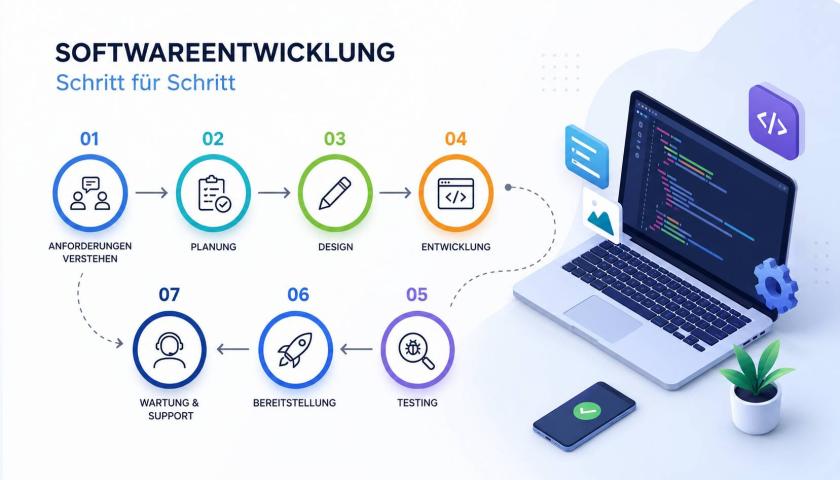
End-to-end banking software development covers the complete lifecycle of banking applications, from initial planning and system architecture to deployment, maintenance, and ongoing optimisation. These solutions help financial institutions modernise their infrastructure, reduce manual processes, and improve data security.
Key Features of Modern Banking Software
Successful banking software must balance innovation with compliance and security. Modern solutions typically include:
Advanced Security Systems
Cybersecurity remains one of the highest priorities for banks. Modern banking software incorporates features such as biometric authentication, end-to-end encryption, fraud detection systems, and multi-factor authentication to protect sensitive customer information.
Seamless User Experience
Customers expect intuitive and user-friendly digital banking platforms. Clean interfaces, real-time transaction updates, personalised dashboards, and responsive mobile applications are essential for improving customer satisfaction and retention.
Automation and AI Integration
Artificial intelligence and automation are transforming the banking sector. AI-powered chatbots, automated loan processing, predictive analytics, and smart financial recommendations help banks improve operational efficiency while reducing costs.
Regulatory Compliance
Financial institutions must comply with strict regulations and industry standards. Banking software solutions are designed to support compliance requirements, including data privacy regulations, anti-money laundering protocols, and financial reporting standards.
Benefits of End-to-End Banking Software Development
Choosing comprehensive software development services provides several long-term advantages for banks and financial organisations.
Improved Operational Efficiency
Custom-built banking systems automate repetitive tasks and streamline workflows, reducing administrative overheads and improving productivity across departments.
Enhanced Customer Engagement
Modern digital platforms allow banks to offer personalised services, faster response times, and convenient self-service options. These improvements help strengthen customer relationships and increase loyalty.
Scalability and Flexibility
As banking needs evolve, scalable software solutions can adapt to changing market demands. Cloud-based infrastructure and modular system architecture make it easier for banks to expand services and integrate new technologies.
Better Data Management
Modern banking systems centralise customer and transaction data, allowing institutions to generate more accurate insights and make informed business decisions.
The Role of Custom Banking Solutions
Every financial institution has unique operational requirements, customer expectations, and compliance obligations. Off-the-shelf platforms may not always provide the flexibility needed for long-term growth. This is why many organisations invest in customised banking software development services tailored to their specific goals.
Custom software solutions enable banks to integrate third-party applications, support unique workflows, and implement specialised security protocols. They also provide greater control over system functionality, ensuring the software aligns with both business objectives and customer needs.
Future Trends in Banking Technology
The future of banking software development will continue to focus on innovation and digital accessibility. Emerging technologies such as blockchain, open banking APIs, machine learning, and embedded finance are expected to reshape the financial services landscape.
Banks that invest in modern software solutions today will be better positioned to respond to future industry changes and customer expectations. By adopting advanced technologies and partnering with experienced development providers, financial institutions can create secure, scalable, and future-ready digital banking ecosystems.
Conclusion
End-to-end banking software development has become essential for financial institutions seeking to remain competitive in an increasingly digital world. From enhancing security and improving customer experiences to streamlining operations and supporting compliance, modern banking software offers significant long-term benefits.
As the financial industry continues to evolve, investing in reliable and scalable digital solutions will help banks deliver innovative services while meeting the growing expectations of customers and businesses alike.