India is experiencing one of the most significant energy transformations in its history. What was once a nation heavily dependent on conventional energy sources is now rapidly emerging as a global leader in clean energy adoption. The rise of Renewable energy in India is not just about installing solar panels or building wind farms; it represents a fundamental shift in how the country generates, distributes, and consumes electricity.
Driven by ambitious government targets, growing environmental awareness, technological advancements, and increasing investments, renewable energy is becoming a cornerstone of India's economic and infrastructure development. As industries seek sustainable operations and communities demand cleaner power, the country's renewable energy journey is accelerating faster than ever.
At the heart of this transformation are innovative energy solutions, advanced transmission networks, and experienced industry players like Hartek Group, which continue to strengthen India's renewable energy ecosystem through engineering excellence and smart infrastructure development.
India's Renewable Energy Revolution: A Snapshot
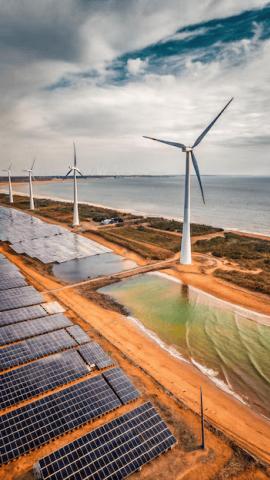
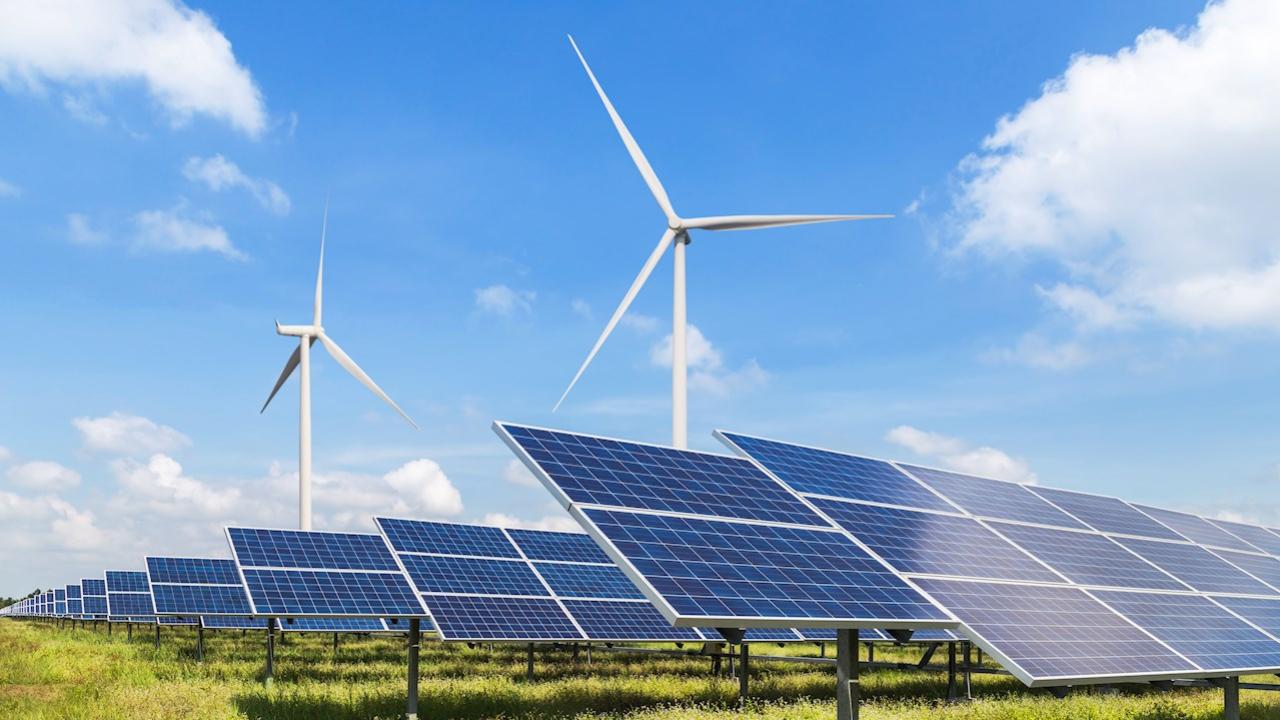
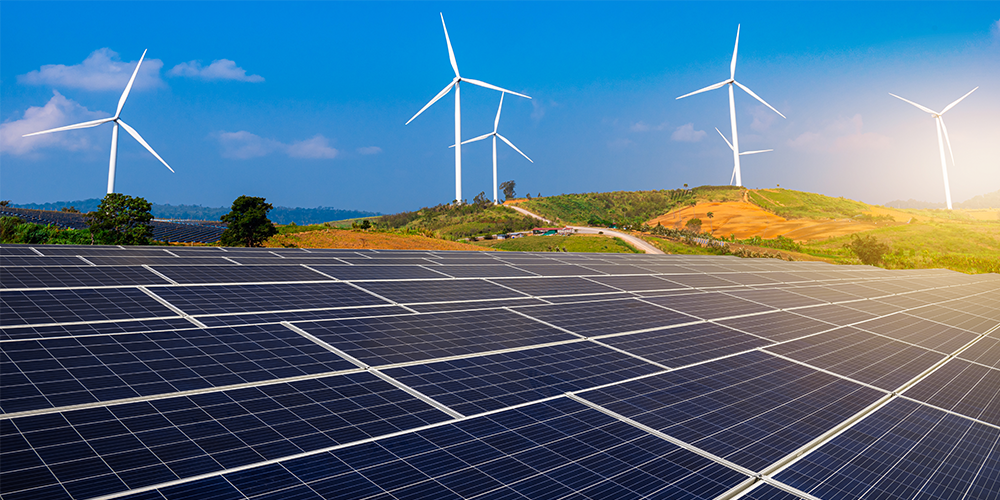
Over the past decade, India has made remarkable progress in renewable energy deployment. From large-scale solar parks in Rajasthan and Gujarat to wind farms across Tamil Nadu and Karnataka, clean energy projects are reshaping the country's energy landscape.
Several factors are fueling the growth of Renewable energy in India:
- Strong government policies and incentives
- Falling solar and wind energy costs
- Rising electricity demand
- Growing corporate sustainability commitments
- Increased private and foreign investments
- Rapid technological advancements
India has set ambitious renewable energy targets as part of its commitment to reducing carbon emissions and enhancing energy security. These efforts are positioning the country as one of the world's fastest-growing renewable energy markets.
Why Renewable Energy Matters More Than Ever
India's economic growth continues to drive higher energy consumption. Rapid urbanization, industrial expansion, digital transformation, and increasing electrification are creating unprecedented demand for electricity.
Traditional energy sources alone cannot sustainably support this growth.
Renewable energy offers several advantages:
1. Energy Security
By reducing dependence on imported fossil fuels, renewable energy strengthens national energy security and minimizes exposure to global fuel price fluctuations.
2. Environmental Sustainability
Solar, wind, and other renewable sources help reduce greenhouse gas emissions and support India's climate commitments.
3. Economic Growth
Renewable energy projects generate employment opportunities across manufacturing, engineering, construction, operations, and maintenance sectors.
4. Rural Development
Many renewable projects are located in rural areas, creating local jobs, improving infrastructure, and supporting regional economic development.
The rise of renewable energy is no longer just an environmental necessity-it has become an economic opportunity.
The Solar Boom Driving Growth
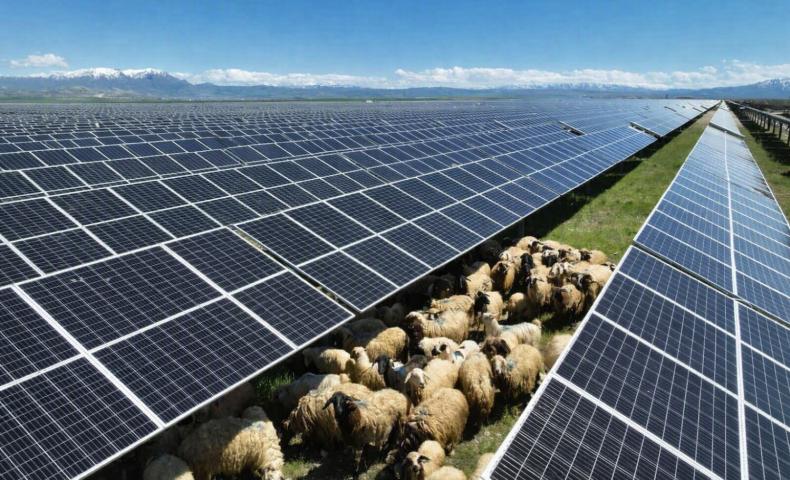
Solar power has emerged as the biggest contributor to the growth of Renewable energy in India.
The country benefits from abundant sunlight throughout the year, making solar energy a highly attractive solution for meeting growing power demand.
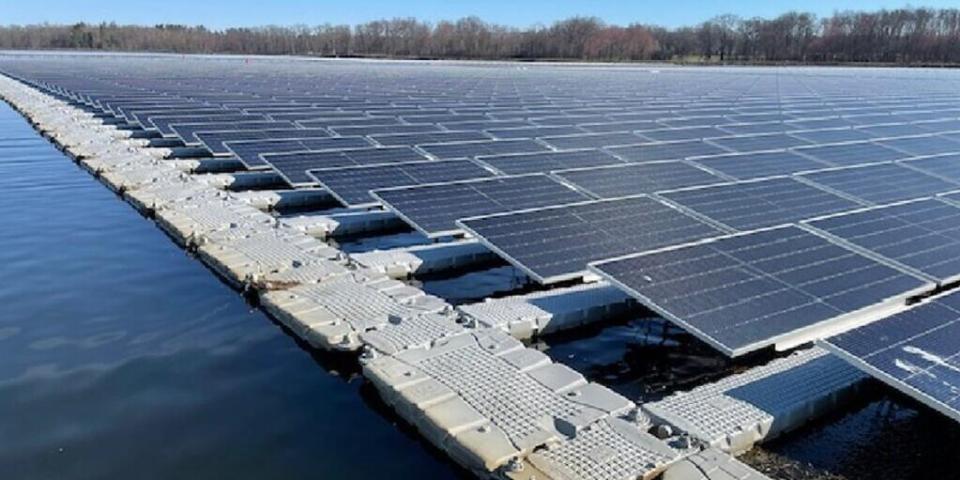
Large utility-scale solar parks, rooftop solar installations, floating solar projects, and decentralized solar systems are all contributing to India's solar success story.
Key drivers behind solar growth include:
- Declining solar module prices
- Improved technology efficiency
- Government subsidy programs
- Corporate renewable procurement
- Growing awareness of clean energy benefits
As technology continues to improve, solar power is expected to remain a major pillar of India's renewable energy strategy.
The Role of EPC Solar Companies in Renewable Expansion
The rapid development of renewable infrastructure would not be possible without the expertise of epc solar companies.
Engineering, Procurement, and Construction (EPC) firms play a crucial role in transforming renewable energy concepts into operational assets.
Their responsibilities include:
- Site assessment and project planning
- Engineering design
- Equipment procurement
- Construction management
- Grid integration
- Project commissioning
Modern EPC providers are increasingly adopting advanced technologies, digital monitoring systems, and smart engineering practices to improve project efficiency and long-term performance.
Companies like Hartek Group continue to support India's renewable growth through comprehensive EPC solutions that enable reliable and scalable clean energy deployment.
The Evolution of the Renewable Energy Model
India's renewable sector is moving beyond simple power generation toward a more integrated renewable energy model.
The next generation of energy systems focuses on:
- Distributed generation
- Energy storage integration
- Smart grids
- Digital monitoring
- Demand-side management
- Grid flexibility
This evolving model ensures that renewable energy can be generated, stored, transmitted, and consumed more efficiently.
Instead of relying solely on centralized power plants, the future energy ecosystem will involve a network of interconnected renewable resources capable of responding dynamically to changing energy needs.

Why Electric Power Distribution Is Becoming Critical
While renewable generation capacity continues to grow, efficient Electric power distribution is becoming equally important.
Generating clean energy is only one part of the equation. That power must also be delivered reliably to homes, businesses, industries, and communities.
Challenges facing power distribution include:
- Grid congestion
- Transmission losses
- Voltage fluctuations
- Renewable intermittency
- Rising electricity demand
To address these issues, utilities are investing in:
- Smart substations
- Advanced transmission infrastructure
- Digital control systems
- Grid automation technologies
- Energy storage systems
These investments are helping create a more resilient and responsive power distribution network capable of supporting higher levels of renewable energy integration.
Technology Is Accelerating the Transition
Technology continues to play a central role in shaping the future of renewable energy.
Innovations transforming the sector include:
Smart Grids
Smart grids enable real-time monitoring and management of electricity flows, improving reliability and efficiency.
Energy Storage Systems
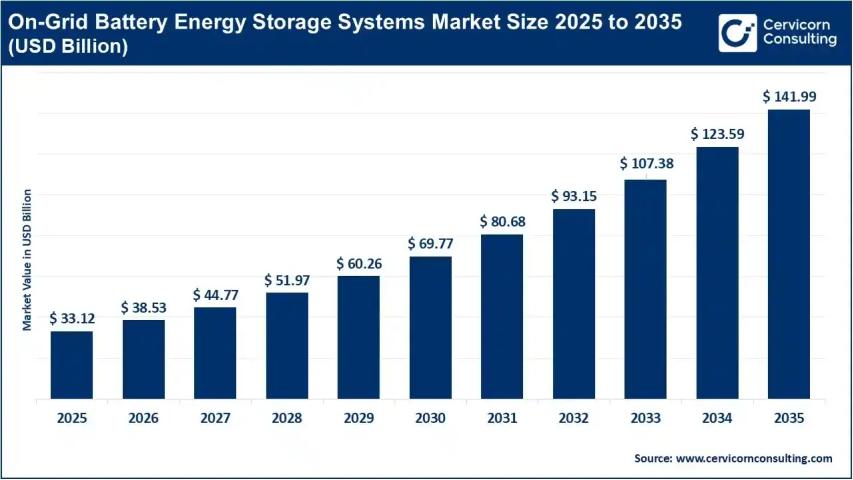
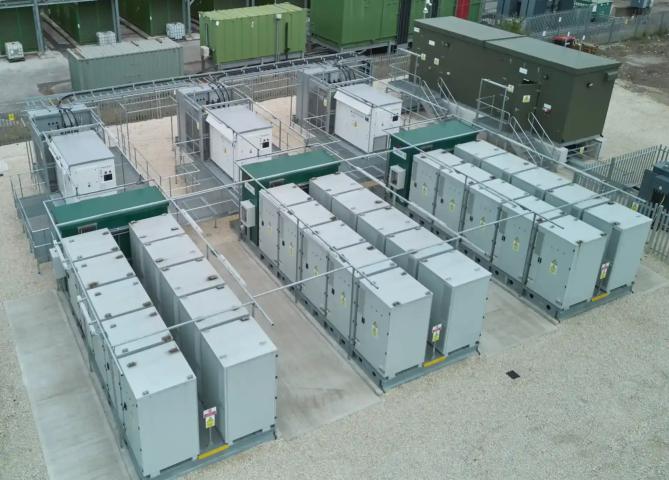
Battery Energy Storage Systems (BESS) help store excess renewable power and improve grid stability.
Artificial Intelligence
AI-driven analytics support predictive maintenance, performance optimization, and operational efficiency.
SCADA Systems
Advanced monitoring systems provide real-time visibility into renewable assets and grid performance.
Together, these technologies are helping India maximize renewable energy output while maintaining reliable power supply.
Industrial Demand Is Fueling Renewable Growth
Industries across India are increasingly adopting renewable energy as part of their sustainability strategies.
Large manufacturing facilities, data centers, commercial campuses, and industrial parks are investing in clean energy solutions to:
- Reduce energy costs
- Lower carbon emissions
- Meet ESG goals
- Improve operational resilience
Corporate demand is becoming one of the strongest drivers of renewable energy expansion.
This trend is expected to continue as businesses prioritize sustainability and long-term energy security.
The Challenges Ahead
Despite remarkable progress, several challenges remain.
Grid Modernization
Existing transmission and distribution infrastructure must be upgraded to handle increasing renewable penetration.
Energy Storage Costs
Although battery prices are declining, large-scale deployment still requires significant investment.
Land Availability
Securing suitable land for renewable projects remains a challenge in certain regions.
Policy Consistency
Long-term policy stability is essential to maintain investor confidence and support continued growth.
Addressing these challenges will require collaboration between government agencies, utilities, developers, EPC companies, and technology providers.
What the Future Holds
The future of Renewable energy in India looks exceptionally promising.
The next decade is likely to witness:
- Increased solar and wind installations
- Expansion of battery storage systems
- Smarter transmission and distribution networks
- Growth in green hydrogen projects
- Greater adoption of decentralized energy systems
- Enhanced digitalization of energy infrastructure
Renewable energy will become increasingly integrated into every aspect of India's economy, supporting sustainable growth while reducing environmental impact.
As infrastructure evolves and technology advances, India is well-positioned to become one of the world's leading clean energy economies.
Powering India's Renewable Future with Hartek Group
As India's renewable energy sector continues to expand, the need for reliable infrastructure, advanced engineering, and seamless grid integration becomes increasingly important. Hartek Group delivers innovative EPC services, smart power solutions, renewable integration expertise, and advanced transmission infrastructure that support the country's clean energy ambitions.
Discover how Hartek Group is helping build a smarter, greener, and more resilient energy future for India.
Frequently Asked Questions (FAQs)
1. Why is renewable energy in India growing so rapidly?
Government support, declining technology costs, rising energy demand, and sustainability goals are driving the rapid growth of renewable energy in India.
2. What is the role of EPC solar companies in renewable projects?
EPC solar companies manage project design, procurement, construction, and commissioning to ensure successful renewable energy project execution.
3. What is a renewable energy model?
A renewable energy model refers to an integrated approach that combines generation, storage, distribution, and smart grid technologies to maximize efficiency and reliability.
4. Why is electric power distribution important for renewable energy?
Efficient electric power distribution ensures that renewable electricity reaches consumers reliably while minimizing losses and maintaining grid stability.
5. What technologies are shaping the future of renewable energy in India?
Smart grids, battery storage systems, AI-based monitoring, SCADA platforms, and advanced transmission infrastructure are driving the future of renewable energy.