
India’s energy landscape is undergoing a powerful transformation. With rising electricity demand, rapid urbanization, and an increasing focus on sustainability, the need for robust and future-ready energy infrastructure has never been greater. At the center of this evolution are the top EPC companies in India, playing a critical role in designing, building, and executing large-scale power and infrastructure projects.
From substations and transmission systems to large-scale renewable energy projects, EPC (Engineering, Procurement, and Construction) companies are shaping the backbone of India’s modern energy ecosystem. Their expertise ensures that complex infrastructure projects are delivered efficiently, safely, and with long-term reliability.
Understanding the Role of EPC Companies in Energy Infrastructure
EPC companies are responsible for delivering end-to-end project solutions. This includes engineering design, procurement of materials, construction, installation, testing, and commissioning.
In the energy sector, EPC companies handle some of the most complex projects, including:
- Power transmission and distribution systems
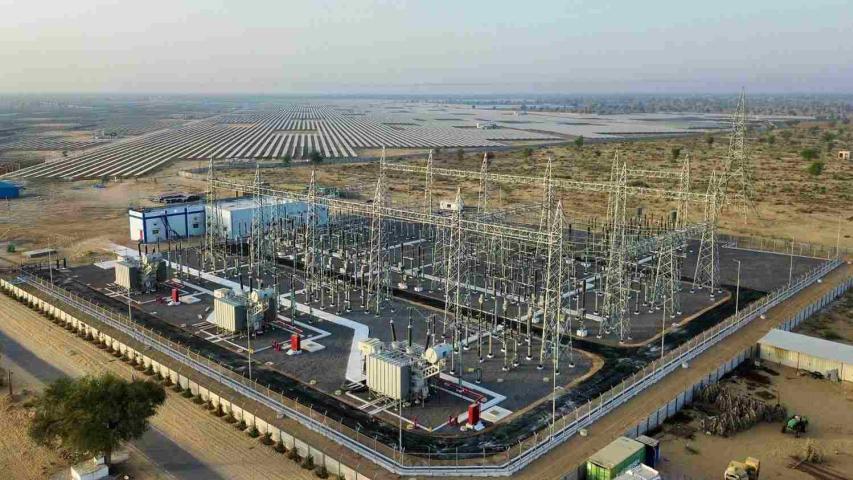
- Substations and grid infrastructure
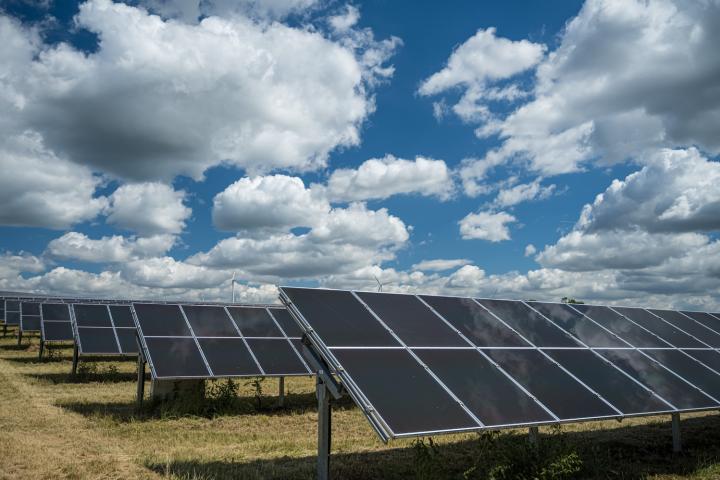
- Solar and wind energy installations
- Industrial power systems
- Smart grid and automation solutions
By managing every phase of the project lifecycle, EPC companies ensure seamless execution and high-quality outcomes.
Why Energy Infrastructure Is Evolving Rapidly
India’s growing economy and population are driving a surge in energy consumption. At the same time, the country is making significant efforts to transition toward clean and sustainable energy sources.
This dual challenge-meeting rising demand while reducing carbon emissions-requires a complete transformation of energy infrastructure.
Key factors driving this change include:
- Increasing renewable energy capacity
- Expansion of industrial and commercial sectors
- Growth of digital infrastructure and data centers
- Electrification of transportation
- Government initiatives promoting sustainability
To address these demands, energy systems must become more efficient, reliable, and adaptable-goals that EPC companies are helping achieve.
Driving Large-Scale Renewable Energy Projects
One of the most significant contributions of the top EPC companies in India is their role in executing large-scale renewable energy projects.
India has become one of the fastest-growing renewable energy markets in the world. Solar parks, wind farms, and hybrid energy systems are being developed across multiple states.
EPC companies are instrumental in:
- Designing efficient renewable energy systems
- Managing land acquisition and project planning
- Procuring high-quality equipment
- Constructing and installing power plants
- Integrating renewable energy into the grid
Their expertise ensures that renewable energy projects are completed on time and operate at optimal efficiency.
Strengthening Power Transmission and Distribution
Generating electricity is only one part of the equation. Delivering it reliably to consumers requires strong transmission and distribution infrastructure.
EPC companies are actively involved in building:
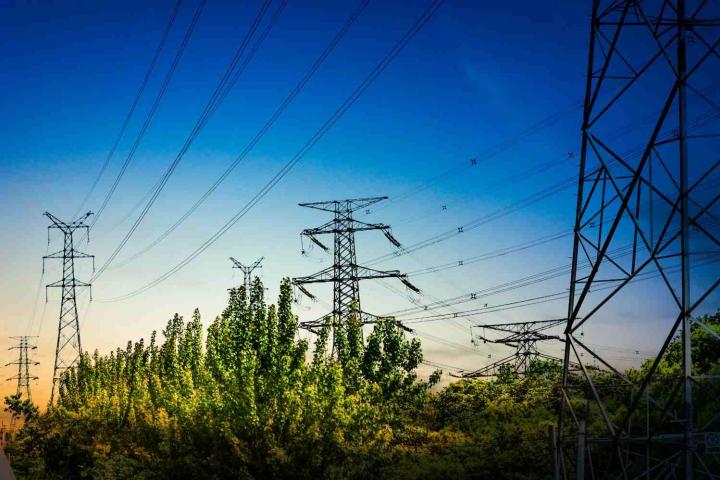
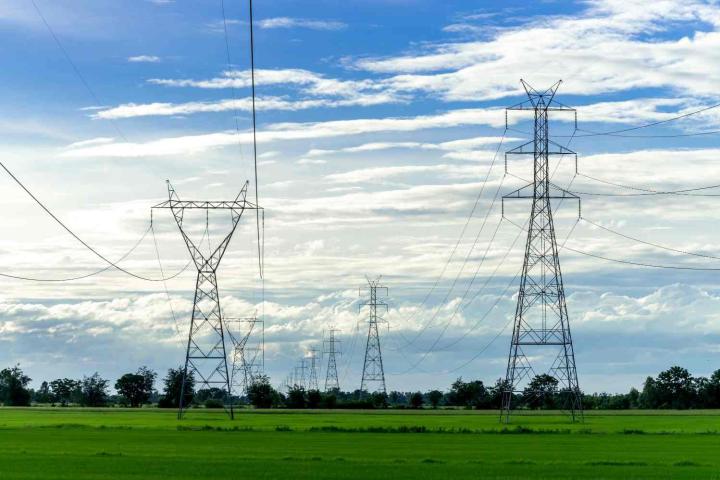
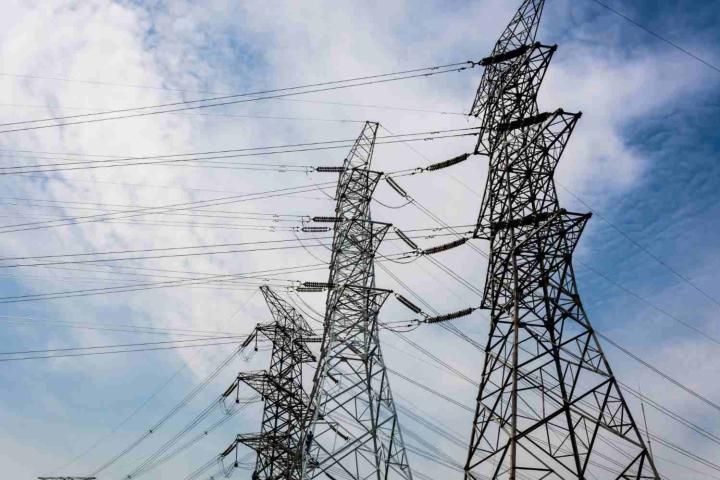
- High-voltage transmission lines
- Advanced substations
- Smart grid systems
- Distribution networks
These systems ensure that electricity flows efficiently from generation sources to end users while minimizing losses.
Modern infrastructure also incorporates digital technologies that enable real-time monitoring, fault detection, and automated control, improving overall system performance.

Enabling Smart and Digital Energy Systems
The future of energy lies in smart and digital systems that can adapt to changing conditions. EPC companies are playing a key role in integrating advanced technologies into power infrastructure.
Some of the innovations being implemented include:
- SCADA systems for real-time monitoring
- Automation and control systems
- Digital substations
- Predictive maintenance tools
- IoT-enabled devices for data collection
These technologies enhance efficiency, reduce downtime, and improve the reliability of energy systems.
Enhancing Project Efficiency and Execution
Large-scale energy projects are complex and require precise coordination across multiple teams and stakeholders. EPC companies bring structured processes and project management expertise to ensure smooth execution.
They focus on:
- Detailed project planning and scheduling
- Efficient procurement and supply chain management
- Strict quality control and safety standards
- Timely project delivery
- Cost optimization
This disciplined approach reduces risks and ensures that projects are completed within budget and timeline constraints.
Supporting Sustainable Development Goals
Sustainability is a key priority for India’s energy sector. EPC companies are contributing to this goal by promoting clean energy solutions and environmentally responsible practices.
By developing renewable energy projects and improving energy efficiency, these companies help:
- Reduce carbon emissions
- Lower dependence on fossil fuels
- Promote sustainable resource utilization
- Support global climate goals
Their efforts are essential for building a greener and more sustainable future.
The Role of Industry Leaders
Among the top EPC companies in India, organizations like Hartek Group are making a significant impact in transforming energy infrastructure.
With strong expertise in substations, power distribution, and renewable energy integration, Hartek delivers advanced solutions that support modern energy systems. The company’s focus on engineering excellence, safety, and innovation ensures reliable and future-ready infrastructure.
By successfully executing complex projects across the country, such companies are helping strengthen India’s power grid and accelerate the transition to clean energy.
Overcoming Challenges in Energy Infrastructure Development
Despite the progress, the energy sector faces several challenges, including:
- Land acquisition and regulatory approvals
- Integration of variable renewable energy sources
- Aging infrastructure in certain regions
- High initial investment costs
- Need for skilled workforce and advanced technologies
EPC companies address these challenges through innovative solutions, efficient project management, and continuous investment in technology and talent.
The Future of Energy Infrastructure in India
The future of India’s energy infrastructure looks promising, with continued investments in renewable energy, smart grids, and digital technologies.
Emerging trends that will shape the sector include:
- Expansion of solar and wind energy capacity
- Growth of energy storage systems
- Increased adoption of electric vehicles
- Development of decentralized energy systems
- Integration of artificial intelligence in grid management
EPC companies will remain at the forefront of these developments, driving innovation and delivering infrastructure that meets the evolving needs of the country.

Building a Resilient Energy Ecosystem
The transformation of energy infrastructure is not just about technology-it’s about creating systems that are resilient, efficient, and sustainable.
The top EPC companies in India are playing a crucial role in this journey by delivering high-quality projects, integrating renewable energy, and strengthening power systems across the nation.
As India continues to grow, the importance of reliable energy infrastructure will only increase. EPC companies will remain key enablers of this growth, ensuring that the country’s energy needs are met in a sustainable and efficient manner.
Frequently Asked Questions (FAQs)
1. What are EPC companies?
EPC companies provide end-to-end solutions for infrastructure projects, including engineering, procurement, construction, and commissioning.
2. Why are EPC companies important in the energy sector?
They ensure efficient execution of complex projects, from design to completion, enabling reliable energy infrastructure development.
3. How do EPC companies support renewable energy projects?
They design, build, and integrate renewable energy systems such as solar and wind projects into the power grid.
4. What makes the top EPC companies in India stand out?
Their technical expertise, project management capabilities, and ability to deliver large-scale projects efficiently set them apart.
5. What is the future of energy infrastructure in India?
The future includes increased renewable energy adoption, smart grid technologies, and digital transformation of power systems.