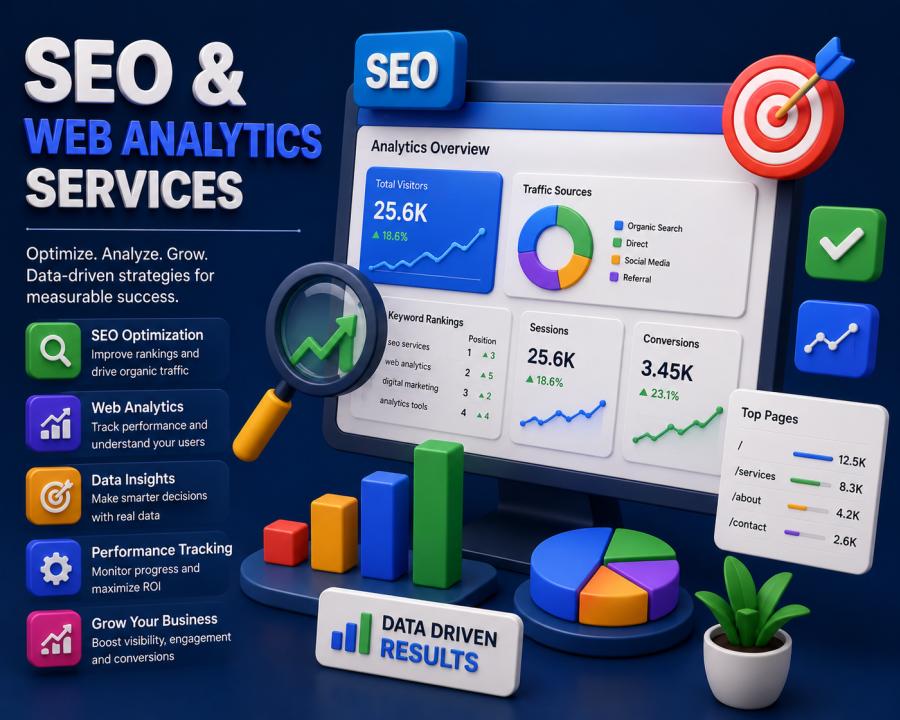
In today's competitive digital landscape, simply having a website is no longer enough. Businesses need visibility, traffic, and actionable insights to succeed online. This is where SEO & Web Analytics Services become essential. By combining search engine optimization with data-driven analytics, organizations can attract the right audience, understand user behavior, and continuously improve their online performance.
Whether you're a startup, eCommerce brand, or enterprise organization, leveraging SEO and analytics can help you make smarter marketing decisions, maximize ROI, and achieve sustainable growth.
What Are SEO & Web Analytics Services?
SEO and web analytics work together to improve a website's performance and visibility.
Search Engine Optimization (SEO) focuses on improving rankings in search engine results, helping businesses attract organic traffic.
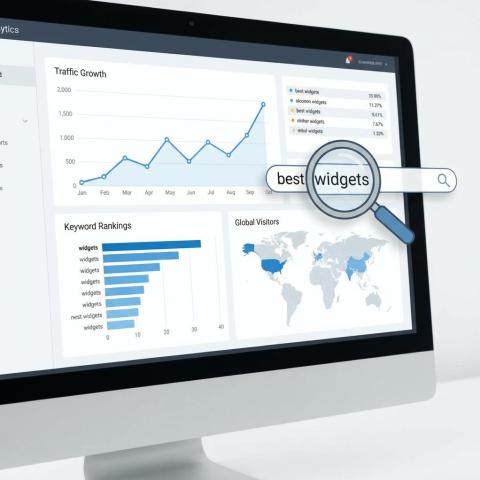
Web analytics involves collecting, measuring, and analyzing website data to understand how visitors interact with a website.
Together, these services provide a comprehensive strategy that enables businesses to optimize their digital presence and make informed decisions based on real data.
Why SEO Matters for Businesses
Search engines are often the first place customers go when looking for products, services, or information.
Increased Online Visibility
Higher search rankings make it easier for potential customers to find your business.
Better Quality Traffic
SEO targets users actively searching for relevant solutions, resulting in more qualified leads.
Long-Term Results
Unlike paid advertising, SEO can continue generating traffic and leads over time with ongoing optimization.
Improved Brand Credibility
Websites that rank highly in search results are often perceived as more trustworthy and authoritative.
The Role of Web Analytics in Digital Success
While SEO helps attract visitors, analytics helps understand what those visitors do after they arrive.
Track User Behavior
Analytics tools reveal:
- Pages visitors view
- Time spent on site
- Bounce rates
- Navigation paths
- Conversion actions
Measure Marketing Performance
Businesses can identify which channels generate the most traffic, leads, and revenue.
Improve User Experience
Analytics data helps uncover usability issues and opportunities for website improvements.
Optimize Conversion Rates
Understanding visitor behavior allows businesses to improve landing pages and increase conversions.
Key Components of SEO Services
A successful SEO strategy includes multiple elements working together.
Technical SEO
Technical optimization ensures search engines can efficiently crawl and index your website.
Key areas include:
- Site speed optimization
- Mobile responsiveness
- XML sitemaps
- Secure HTTPS implementation
- Structured data markup
On-Page SEO
On-page optimization focuses on improving individual pages through:
- Keyword research
- Content optimization
- Meta titles and descriptions
- Internal linking
- User experience enhancements
Off-Page SEO
Off-page SEO builds website authority through:
- Quality backlink acquisition
- Digital PR
- Brand mentions
- Industry citations
Essential Web Analytics Metrics
Understanding the right metrics is critical for effective decision-making.
Organic Traffic
Measures visitors arriving from search engines.
Conversion Rate
Tracks the percentage of users completing desired actions such as purchases or form submissions.
Bounce Rate
Indicates how many users leave a website after viewing only one page.
Session Duration
Measures how long users engage with website content.
Goal Completions
Tracks important business objectives and customer actions.
How SEO & Web Analytics Services Work Together
Many businesses focus solely on rankings, but successful digital growth requires deeper analysis.
This is where SEO & Web Analytics Services provide significant value. Analytics helps identify which SEO efforts generate results, while SEO improves the visibility needed to attract valuable traffic.
For example, analytics may reveal that a particular blog post attracts high traffic but low conversions. Businesses can then optimize the content, call-to-actions, or user journey to improve performance.
This data-driven approach ensures continuous improvement rather than relying on assumptions.
Benefits of SEO & Web Analytics Services
Data-Driven Decision Making
Businesses can base marketing strategies on actual user behavior rather than guesswork.
Improved Return on Investment
Tracking performance helps allocate budgets to the most effective channels and campaigns.
Enhanced Customer Understanding
Analytics provides valuable insights into audience preferences and behavior patterns.
Continuous Optimization
Regular monitoring enables businesses to identify opportunities and address issues quickly.
Competitive Advantage
Companies that leverage SEO and analytics effectively can outperform competitors in search visibility and customer engagement.
Best Practices for Maximizing Results
Define Clear Goals
Establish measurable objectives such as:
- Lead generation
- Sales growth
- Brand awareness
- Website engagement
Monitor Performance Regularly
Review analytics reports consistently to identify trends and opportunities.
Focus on Quality Content
Create valuable content that addresses user needs while supporting SEO objectives.
Optimize for Mobile Users
Mobile-friendly websites improve both user experience and search rankings.
Continuously Test and Improve
Use analytics insights to refine content, design, and conversion strategies.
Real-World Example
Imagine an online retailer experiencing declining sales despite increasing website traffic.
Analytics reveals that visitors abandon the checkout process on mobile devices. By improving mobile usability and page speed while optimizing product pages for search engines, the business increases conversions and revenue.
This demonstrates how combining SEO and analytics can uncover issues and create measurable business improvements.
Frequently Asked Questions
What are SEO & web analytics services?
These services combine search engine optimization with data analysis to improve website visibility, user experience, and business performance.
Why are web analytics important for SEO?
Analytics helps measure SEO effectiveness by tracking traffic, user behavior, and conversions.
Which tools are commonly used for web analytics?
Popular tools include Google Analytics, Google Search Console, Adobe Analytics, and Microsoft Clarity.
How long does SEO take to show results?
Most SEO campaigns begin showing noticeable improvements within three to six months, depending on competition and industry.
Can small businesses benefit from SEO and analytics?
Yes. Businesses of all sizes can use SEO and analytics to attract customers, improve website performance, and increase revenue.
Conclusion
Success in digital marketing requires more than attracting website visitors. Businesses must understand user behavior, measure performance, and continuously optimize their online presence. By combining SEO with advanced analytics, organizations gain the insights needed to make smarter decisions and achieve sustainable growth.
Investing in professional SEO & Web Analytics Services can help your business improve visibility, increase conversions, and maximize marketing ROI. Partner with experienced specialists to transform data into actionable strategies and drive long-term digital success.