As cyber threats continue to evolve, businesses need reliable security solutions to protect their networks, applications, and sensitive data. Firewalls play a critical role in preventing unauthorized access, blocking malicious traffic, and ensuring secure communication across enterprise environments.
Among the leading cybersecurity solutions available today, Fortinet Firewalls have gained significant popularity due to their advanced security capabilities, high performance, and ease of management. This guide explains what a Fortinet Firewall Training is, how it works, its key features, benefits, and why it is widely used by organizations around the world.
Understanding a Fortinet Firewall
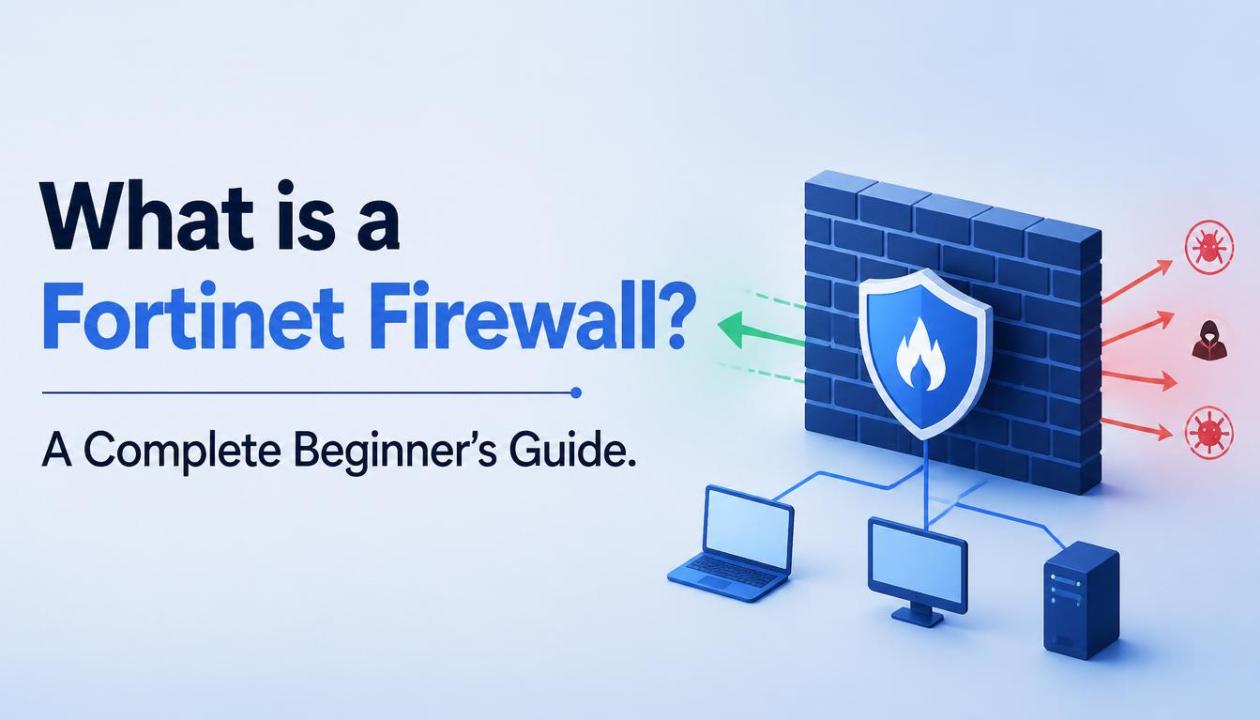
A Fortinet Firewall is a network security device developed by Fortinet that monitors, controls, and secures incoming and outgoing network traffic based on predefined security policies.
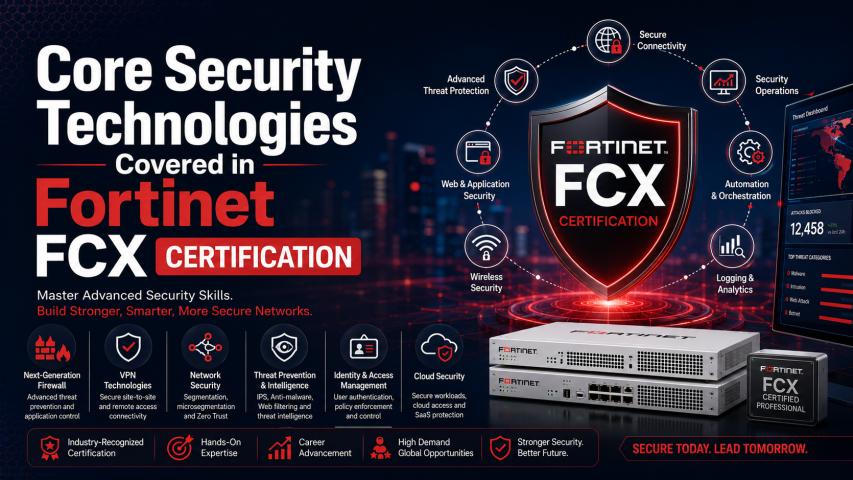
Unlike traditional firewalls that primarily filter traffic based on ports and IP addresses, Fortinet Firewalls provide advanced security features such as:
Application Control
Intrusion Prevention System (IPS)
Antivirus Protection
Web Filtering
VPN Connectivity
SSL Inspection
Sandboxing
SD-WAN Integration
These capabilities enable organizations to defend against modern cyber threats while maintaining optimal network performance.
Why Do Businesses Need a Firewall?
Protection Against Cyber Threats
Cyberattacks such as malware, ransomware, phishing, and unauthorized access attempts can severely impact business operations. A firewall acts as the first line of defense by filtering malicious traffic before it reaches internal systems.
Network Access Control
Firewalls help organizations control who can access their network and what resources users can utilize.
Regulatory Compliance
Many industries require businesses to implement network security controls to comply with regulations and standards.
Secure Remote Connectivity
With hybrid and remote work becoming common, organizations need secure VPN solutions to connect employees safely to corporate resources.
How Does a Fortinet Firewall Work?
A Fortinet Firewall examines network traffic passing between trusted and untrusted networks.
Step 1: Traffic Inspection
The firewall analyzes incoming and outgoing packets and compares them against security policies.
Step 2: Policy Evaluation
Security rules determine whether traffic should be:
Allowed
Denied
Logged
Redirected
Step 3: Threat Detection
The firewall scans traffic for malware, suspicious behavior, and attack signatures.
Step 4: Action Enforcement
Based on policy decisions and security analysis, the firewall either allows or blocks traffic.
Key Components of a Fortinet Firewall
FortiOS
FortiOS is the operating system that powers all Fortinet security appliances. It provides centralized management and advanced security services.
Security Policies
Policies define how traffic should flow through the firewall.
Examples include:
Allowing internet access for employees
Blocking social media websites
Restricting unauthorized applications
Enforcing security controls
Interfaces
Interfaces connect the firewall to different network segments, including:
LAN
WAN
DMZ
VPN Tunnels
Security Profiles
Security profiles provide advanced protection services such as:
Antivirus
IPS
Web Filtering
Application Control
DNS Filtering
Important Features of Fortinet Firewalls
Next-Generation Firewall (NGFW)
Traditional firewalls focus on IP addresses and ports. A Next-Generation Firewall adds deep packet inspection and application awareness.
Benefits include:
Application visibility
Threat intelligence
User identification
Advanced malware detection
Intrusion Prevention System (IPS)
IPS identifies and blocks malicious traffic patterns before they can exploit vulnerabilities.
Application Control
Application Control allows administrators to manage applications running on the network.
Examples include:
Microsoft Teams
Zoom
Dropbox
Facebook
YouTube
Web Filtering
Web filtering helps organizations control website access and reduce security risks.
SSL Inspection
Most internet traffic is encrypted today. SSL inspection enables the firewall to analyze encrypted traffic for hidden threats.
Antivirus Protection
Built-in antivirus engines scan files and traffic for malicious content.
Understanding FortiGuard Security Services
FortiGuard provides cloud-based threat intelligence services that enhance firewall security.
Key Services Include
Antivirus Updates
Protect against newly discovered malware.
IPS Signatures
Identify known attack techniques.
Web Filtering Database
Categorize websites for security enforcement.
Anti-Spam Protection
Reduce email-based threats.
Threat Intelligence Feeds
Provide real-time threat updates.
These services help keep security policies effective against emerging threats.
Fortinet Firewall Deployment Modes
NAT Mode
NAT Mode is the most common deployment method.
Features:
Routing functionality
Address translation
Internet connectivity
Security enforcement
Transparent Mode
Transparent Mode allows the firewall to operate without changing existing IP addressing schemes.
Benefits:
Easy deployment
Minimal network redesign
Layer 2 operation
Fortinet Firewall VPN Capabilities
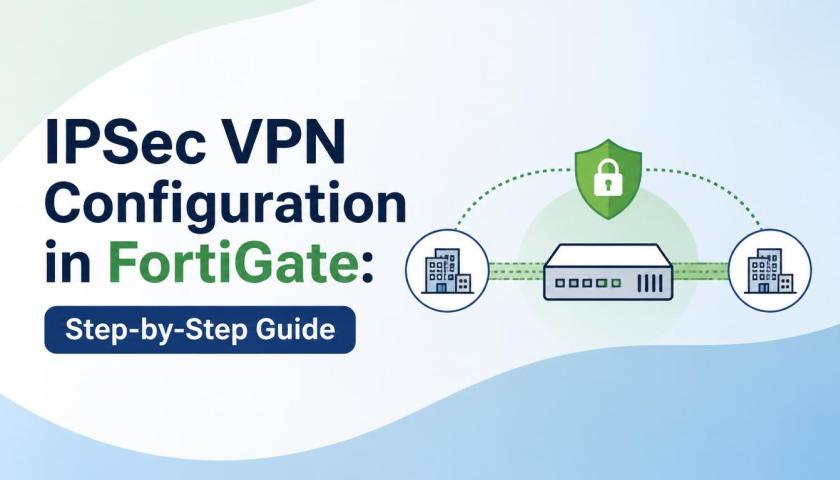
IPSec VPN
IPSec VPN establishes secure site-to-site communication between branch offices and data centers.
Benefits:
Data encryption
Secure connectivity
Cost savings
SSL VPN
SSL VPN enables remote users to securely access corporate resources using a web browser or VPN client.
Benefits:
Remote access
Secure authentication
Encrypted communication
Fortinet Firewall and SD-WAN
Modern organizations depend on cloud applications and multiple internet connections.
Fortinet integrates SD-WAN functionality directly into its firewall platform.
Advantages of SD-WAN
Better application performance
Dynamic path selection
Reduced WAN costs
Improved user experience
Enhanced visibility
This combination of networking and security simplifies infrastructure management.
Benefits of Using a Fortinet Firewall
High Performance
Fortinet firewalls utilize specialized security processors to deliver strong performance even with advanced security features enabled.
Unified Security Platform
Organizations can consolidate multiple security functions into a single device.
Simplified Management
Administrators can manage policies, users, VPNs, and security services through a centralized interface.
Scalability
Fortinet solutions support organizations ranging from small businesses to large enterprises.
Advanced Threat Protection
Built-in security services help identify and stop sophisticated cyber threats.
Common Use Cases for Fortinet Firewalls
Small Business Security
Protect office networks from internet-based threats.
Enterprise Network Security
Secure large corporate environments with advanced security controls.
Branch Office Connectivity
Enable secure communication between remote locations.
Data Center Protection
Protect critical applications and infrastructure.
Remote Workforce Security
Provide secure VPN access for remote employees.
Best Practices for Fortinet Firewall Management
Keep Firmware Updated
Regular updates help protect against newly discovered vulnerabilities.
Use Strong Authentication
Implement multi-factor authentication whenever possible.
Review Security Policies
Regularly audit firewall rules to remove unnecessary access.
Enable Logging and Monitoring
Monitor events and security incidents continuously.
Follow the Principle of Least Privilege
Grant users only the access they require.
Who Should Learn Fortinet Firewall?
Fortinet Firewall knowledge is valuable for:
Network Engineers
Security Engineers
System Administrators
SOC Analysts
Cybersecurity Professionals
IT Support Engineers
Understanding Fortinet security technologies can significantly improve career opportunities in the cybersecurity industry.
Frequently Asked Questions
Is Fortinet Firewall suitable for small businesses?
Yes. Fortinet offers solutions designed for organizations of all sizes, including small businesses.
What is the difference between a traditional firewall and a Fortinet Firewall?
Fortinet Firewalls provide advanced security features such as IPS, application control, web filtering, and threat intelligence.
Does Fortinet Firewall support VPNs?
Yes. Fortinet supports both IPSec VPN and SSL VPN technologies.
Can Fortinet Firewall inspect encrypted traffic?
Yes. SSL inspection enables visibility into encrypted traffic for threat detection.
Is Fortinet Firewall considered a Next-Generation Firewall?
Yes. Fortinet Firewalls include advanced NGFW capabilities.
Conclusion
Fortinet Firewall solutions have become a critical component of modern cybersecurity strategies by combining network protection, threat prevention, VPN connectivity, application control, and SD-WAN functionality within a single platform. Their ability to deliver comprehensive security while maintaining strong performance makes them a preferred choice for organizations of all sizes.
For professionals looking to advance in network security, gaining hands-on experience through Fortinet Firewall and pursuing NSE Certification can provide valuable practical skills and industry recognition. As cyber threats continue to evolve, understanding Fortinet Firewall technologies remains an essential investment for both organizations and security professionals.