Honestly, I was skeptical. Every other article promising to teach you how to increase followers sounds the same post consistently, use hashtags, engage with your audience. Cool. Thanks. Super helpful.
So I decided to stop reading and start testing. For 30 days, I tracked what actually moved the needle on my Instagram. Some things surprised me. Some things failed completely. And a few strategies genuinely worked better than I expected.
Here's my honest breakdown.
First, Let's Talk About Why 2026 Is Actually Different
I know every year someone says "this year is different for social media" — but hear me out.
The flood of AI-generated content over the past couple of years has completely changed how both algorithms and real people respond to posts. When everything starts looking and sounding the same, authenticity becomes the rarest thing on the platform. And rare things get attention.
Instagram, TikTok, and YouTube are all quietly rewarding content that feels genuinely human. Not perfect. Not over-produced. Just real and useful.
That shift alone changes the entire game for anyone trying to figure out how to increase followers right now.
What Actually Worked: 6 Things Worth Your Time
Posting 3–5 Times a Week (Not More, Not Less)
I used to think more = better. It's not. When I pushed myself to post every single day, quality dropped and so did my engagement. When I settled into a rhythm of 3–5 posts per week, growth actually picked up.
Buffer's data backs this up too — accounts in that posting range grow nearly twice as fast as those posting less frequently. The key word is rhythm. The algorithm rewards predictability.
Short-Form Video Is Non-Negotiable Now
I resisted Reels for longer than I should have. Static posts are comfortable. Video feels like effort. But the reach difference is not even close anymore.
If you want new people to discover your account people who don't already follow you video is the fastest path there in 2026. Everything else is slower.
Your Own Voice > AI-Generated Content
Here's the thing about AI content: it's fine. It's just not interesting. And "not interesting" is a death sentence on social media.
I tested this directly posts I wrote myself, from my own experience, consistently outperformed posts I drafted with heavy AI assistance. Not because AI is bad, but because generic is forgettable. Your specific take on something, your weird analogy, your personal story that's what makes someone stop scrolling.
Carousels Keep People on Your Post Longer
Reach gets people to your post. Carousels keep them there. And time-on-post is a signal the algorithm pays attention to.
The best-performing carousels I made weren't the prettiest ones they were the ones that made people swipe because they genuinely wanted to see the next slide. Lead with a problem. Build toward the solution. Make slide 2 feel necessary.
Reply Fast or Don't Bother
This sounds harsh but it's true. Replying to comments 12 hours after posting does almost nothing for your reach. Replying within the first 60 minutes? That's when it counts.
The algorithm interprets early engagement as a signal that your content is worth showing to more people. Replying to comments is literally free reach if you do it at the right time.
Anonymous Story Viewing:The Data Privacy Paradox
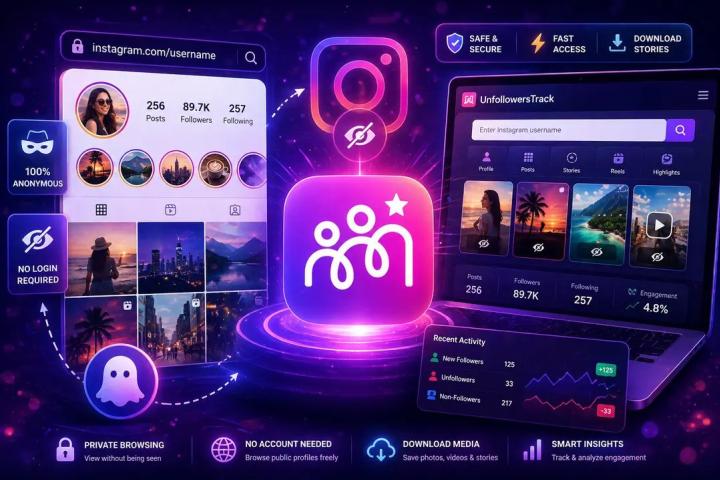
One of the most significant data dynamics on Instagram in 2026 is the tension between Story viewing transparency and user demand for privacy. The person who sees someone’s story finds its username on their viewer list for 48 hours. But users demands to view story anonymously so they use third party tools like HideViewer
These tools work as proxy servers: when you enter a public username, the tool fetches the Story from Instagram's servers using an unauthenticated request meaning no account is attached to the view and your username never appears on the poster's viewer list.
Clean Up Your Follower List — Seriously
Nobody talks about this one enough when they explain how to increase followers, but it's genuinely important.
A bunch of inactive, ghost followers who never engage with your content quietly drags your engagement rate down. And a low engagement rate tells the algorithm your content isn't worth pushing. It becomes a cycle.
Cleaning your list isn't about vanity metrics. It's about making sure your content reaches people who actually care about it.
The Unfollower Thing Nobody Talks About
At some point during my 30 days, I noticed my follower count dropped after a specific type of post. That's uncomfortable to see, but it's also incredibly useful data.
If a certain post triggers unfollows, it means something about that content didn't match what your audience signed up for. That's feedback. Expensive feedback if you ignore it, valuable feedback if you act on it.
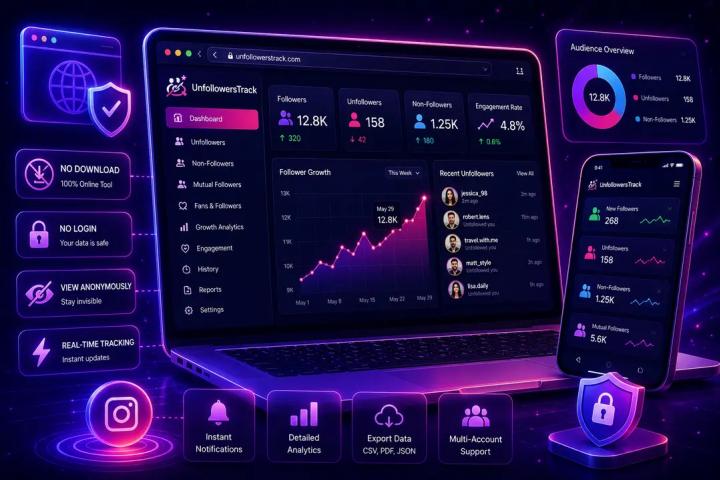
I started tracking this properly using a follow back instagram tool. You upload your Instagram data and it shows you exactly who unfollowed you, who isn't following you back, and your actual growth trend over time. No login credentials needed, which I appreciated.
The non-follower ratio matters too. An account following 2,000 people but only having 200 followers looks very different from the reverse. New visitors notice that ratio before they decide whether to follow you.
Two Brands That Figured This Out Before Everyone Else
Nike's #BetterForIt Campaign
Nike stopped trying to be the center of attention and made their audience the hero instead. They launched a campaign inviting women to share their own fitness stories under one hashtag. The result was over 800,000 retweets and 50,000 new Instagram followers in a single week — driven entirely by content Nike didn't even create.
The lesson: campaigns where your audience participates outperform campaigns where they just watch.
Gymshark's Slow Burn to a Billion
Gymshark didn't blow a massive budget on celebrity endorsements. They found micro-influencers whose audiences actually trusted them, built long-term relationships instead of one-off deals, and created a community around the brand over time.
The lesson: an engaged audience of 10,000 beats a passive audience of 100,000 every time.
Mistakes I Made (So You Don't Have To)
Posting without a content plan. When I just posted whatever felt right that day, results were all over the place. When I planned a week ahead, consistency improved and so did growth.
Ignoring platform formats. Posting the same content across Instagram, TikTok, and Twitter without adapting it is a mistake. Each platform has a preferred format. Fight it and you lose reach. Work with it and you get distribution for free.
Chasing follower count over engagement. Early on I was too focused on the number. But 500 followers who actually engage are worth more than 5,000 who don't — both for growth and for any monetization down the line.
Never reviewing what failed. I used to just move on after a post underperformed. Now I look at what specifically didn't land and adjust. That review habit is probably the single biggest shift in how I approach content.
A Simple 30-Day Plan If You Want to Start Today
Week | What to Focus On |
Week 1 | Audit your profile — bio, photo, last 9 posts. Look at 5 competitors doing better than you. |
Week 2 | Build a content calendar. Write your hooks first. Batch create so you're never scrambling. |
Week 3 | Start engaging outside your own page — comment genuinely on 20–30 posts daily in your niche. Reach out to 2–3 micro-influencers for collabs. |
Week 4 | Review your data. Double down on what worked. Cut what didn't. Test one new format. |
The Honest Summary
Learning how to increase followers in 2026 comes down to one thing: stop optimizing for the algorithm and start optimizing for real people. The algorithm follows real engagement — it doesn't create it.
Post consistently. Show up as a human. Talk to your audience. Clean up the dead weight in your follower list. Pay attention to who leaves and why.
Do that for 30 days and the numbers will follow.