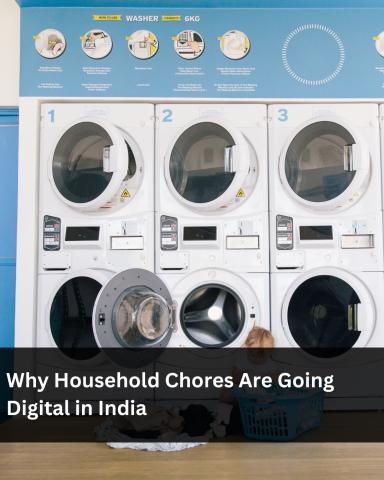

For most Indians, laundry is simply another household chore. Clothes pile up during the week, washing gets postponed until weekends, and drying clothes becomes a challenge during monsoons. Yet, around the world, countries like Japan, South Korea, and the United States have developed unique laundry habits that prioritize convenience, hygiene, fabric care, and efficiency.
Interestingly, these countries don't necessarily spend more time doing laundry. Instead, they have developed smarter habits and systems that make garment care easier and more effective.
As life>
Table of Contents
- Why Laundry Habits Matter More Than We Think
- What India Can Learn from Japan
- South Korea's Technology-Driven Laundry Culture
- Why Americans Prioritize Convenience
- Common Problems Indian Households Face
- How Modern Laundry Service in India Is Evolving
- Five Lessons India Can Adopt
- The Future of Laundry in India
Why Laundry Habits Matter More Than We Think
Laundry isn't just about cleaning clothes.
It affects:
- Fabric life
- Hygiene
- Water consumption
- Time management
- Energy usage
- Overall quality of life
Countries with advanced laundry cultures treat laundry as garment care rather than simply washing dirty clothes.
This mindset is gradually influencing Laundry Service in India, where consumers are increasingly prioritizing convenience and fabric protection.
What India Can Learn from Japan
Japan is famous for precision, discipline, and minimalism. These values are reflected even in laundry habits.
1. Clothes Are Treated as Long-Term Investments
Japanese consumers focus on preserving clothes rather than replacing them frequently.
They:
- Wash garments according to fabric type.
- Avoid excessive detergent.
- Use mild cleaning products.
- Separate delicate fabrics carefully.
As a result, clothes maintain their appearance for years.
Lesson for India
Many Indians wash everything together and use excess detergent.
Better fabric care can significantly increase the lifespan of clothes.
2. Air Drying Is Preferred
Unlike many countries, Japanese households rely heavily on air drying.
This helps:
- Reduce electricity usage.
- Prevent fabric shrinkage.
- Extend garment life.
Lesson for India
Machine dryers are convenient, but excessive heat damages fabrics.
Natural drying methods, when possible, are healthier for clothes.
3. Less Is More
Japanese households avoid overloading washing machines.
They focus on:
- Proper detergent dosage.
- Smaller loads.
- Gentle wash cycles.
Lesson for India
Many people believe more detergent means cleaner clothes.
In reality, excess detergent leaves residues and damages fibers.
What India Can Learn from South Korea
South Korea is one of the most technology-driven societies in the world.
Their approach to laundry reflects efficiency and convenience.
1. Technology Simplifies Laundry
In South Korea, smart washing machines and app-based laundry systems are common.
Consumers can:
- Track laundry status.
- Schedule services.
- Receive notifications.
This technology-first approach has inspired the growth of the Laundry App in India, making laundry management easier.
2. Hygiene Is Non-Negotiable
Koreans place a strong emphasis on cleanliness.
They regularly:
- Clean washing machines.
- Use hot water cycles.
- Separate garments carefully.
- Focus on odor removal.
Lesson for India
Many people forget that washing machines themselves require cleaning.
Dirty machines can leave clothes smelling unpleasant.
3. Compact Living Encourages Smart Solutions
Small apartments in Seoul have encouraged innovations such as:
- Coin laundries.
- 24-hour laundry facilities.
- Pickup and delivery services.
This model resembles the growth of Online Laundry in India, especially in metro cities where apartment living is becoming common.
What India Can Learn from the United States
Americans value one thing above everything else:
Time.
This philosophy has transformed the laundry industry in the US.
1. Laundry Is Frequently Outsourced
Many Americans prefer:
- Wash and fold services.
- Dry cleaning services.
- Subscription plans.
They see laundry as something that can be delegated rather than personally managed.
This mindset is fueling the growth of Doorstep Laundry Service in India.
2. Convenience Matters More Than Price
Consumers in the US are willing to pay for:
- Pickup and delivery.
- Same-day services.
- Professional garment care.
People are buying convenience rather than washing.
Lesson for India
Busy professionals increasingly value time over household chores.
3. Laundromats Create Flexibility
Public laundromats remain popular because they:
- Save space.
- Reduce machine maintenance costs.
- Offer professional equipment.
As urbanization increases, similar concepts may emerge in India.
Common Problems Indian Households Face
Despite modernization, Indian families face several challenges:
Limited Drying Space
Apartment living makes drying difficult.
Hard Water
Hard water affects detergent efficiency and fabric softness.
Monsoon Humidity
Clothes take longer to dry and develop odors.
Busy Work Schedules
Weekends become laundry days.
Overloaded Washing Machines
This reduces cleaning efficiency and damages fabrics.
These challenges are increasing demand for professional Laundry Service in India.
How Modern Laundry Service in India Is Evolving
India is quickly adapting global trends.
Today's Online Laundry in India offers:
✅ Pickup and delivery
✅ App-based booking
✅ Dry cleaning
✅ Wash and fold services
✅ Real-time tracking
✅ Subscription plans
Modern consumers increasingly rely on a Laundry App in India for convenience and better garment care.
Five Lessons India Can Adopt
1. Focus on Fabric Care, Not Just Cleaning
Japanese households prioritize garment longevity.
Indians can benefit from adopting this approach.
2. Hygiene Matters
South Korea teaches us that machine cleanliness is equally important.
Clean machines mean cleaner clothes.
3. Convenience Saves Time
Americans understand that time is valuable.
This is one reason why Doorstep Laundry Service in India is becoming increasingly popular.
4. Technology Makes Life Easier
Apps and digital systems simplify routine tasks.
The rise of Online Laundry in India reflects this shift.
5. Sustainability Should Be a Priority
Water conservation and energy efficiency will become increasingly important in the future.
Is India Ready for Smarter Laundry Habits?
Absolutely.
Urban life>
Professional Laundry Service in India is no longer viewed as a luxury.
It is becoming a practical solution for working professionals, students, and families who value convenience and garment care.
Final Thoughts
Every country approaches laundry differently.
Japan teaches us precision.
South Korea teaches us efficiency.
The United States teaches us convenience.
India doesn't need to copy these countries completely.
But by adopting their best practices, Indian consumers can save time, improve clothing care, and make daily life easier.
As modern life>Laundry in India is moving beyond traditional washing habits toward a smarter, technology-driven future.