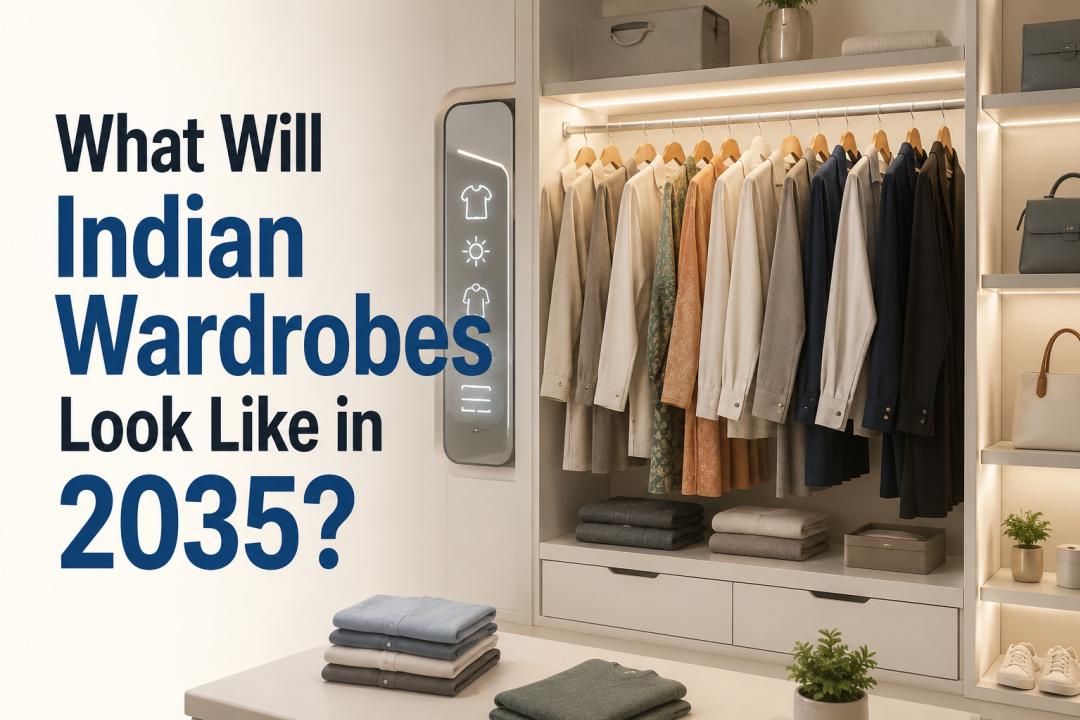
In 2005, most Indian wardrobes were simple. Clothes were bought during festivals, weddings, or special occasions. People owned fewer outfits, repaired damaged garments, and often kept clothes for years.
Fast forward to 2025, and things have changed dramatically. Social media, fast fashion, remote work, and online shopping have transformed how Indians dress and maintain their clothes.
But what will wardrobes look like ten years from now?
Will people own more clothes or fewer? Will washing machines still dominate clothing care? Will professional garment care and dry cleaning become more common?
The answers reveal a fascinating picture of how Indians may live, shop, and care for their clothes in 2035.
Wardrobes Will Become Smarter, Not Bigger
Today's consumers often buy clothes impulsively. However, by 2035, ownership may shift from quantity to quality.
People are already becoming aware that buying more doesn't always mean dressing better. Instead of filling cupboards with dozens of unused outfits, consumers are likely to focus on versatile, durable, and premium clothing.
A typical wardrobe in 2035 may include:
- High-quality workwear.
- Performance fabrics.
- Sustainable clothing.
- Smart textiles.
- Occasion-specific outfits.
- Fewer but better garments.
This shift will naturally increase the importance of garment maintenance and professional fabric care.
Premium Clothing Will Need Premium Care
As wardrobes become more expensive, people will think differently about maintaining them.
Luxury shirts, wool suits, designer sarees, ethnic wear, and delicate fabrics cannot simply be thrown into washing machines every week.
By 2035, professional dry cleaning services in India could become a routine part of urban life>
Consumers may increasingly search for:
- Best dry cleaning service in India
- Online dry cleaning service
- Doorstep dry cleaning service
- Same day dry cleaning service
- Professional dry cleaners near me
- Premium garment care service
Clothing care may become as important as clothing ownership itself.
Work Culture Will Continue To Change Fashion
Remote work has already blurred the line between office wear and casual wear.
By 2035, hybrid work will likely dominate many industries.
Formal clothing may occupy less space in wardrobes, while comfortable and multifunctional clothing could become the norm.
People may own:
- More athleisure.
- More wrinkle-resistant fabrics.
- Smart fabrics with odor-control properties.
- Travel-friendly clothing.
As clothing materials evolve, specialized fabric treatment and professional dry cleaning solutions will become increasingly necessary.
Fast Fashion May Slow Down
The last decade encouraged consumers to buy more.
The next decade may encourage them to buy better.
Environmental awareness is growing rapidly.
Young consumers are beginning to understand the hidden costs of clothing waste.
By 2035, people may prefer:
- Timeless designs.
- High-quality fabrics.
- Durable clothing.
- Sustainable wardrobes.
Instead of replacing garments frequently, consumers may focus on extending fabric life through proper care, stain removal techniques, and specialized dry cleaning services.
Artificial Intelligence Could Manage Your Wardrobe
Imagine waking up and receiving a notification saying:
"Your blue blazer has been worn eight times. Schedule professional cleaning."
This may sound futuristic today, but AI-powered wardrobe management could become reality by 2035.
Smart closets may:
- Track garment usage.
- Recommend cleaning schedules.
- Suggest outfit combinations.
- Monitor fabric conditions.
- Reduce unnecessary washing.
This technology could also integrate with a Laundry App in India, allowing users to schedule pickups without leaving home.
Convenience Will Matter More Than Chores
Indian consumers are increasingly outsourcing repetitive tasks.
Food delivery transformed dining.
Ride-sharing changed transportation.
Digital banking changed payments.
Clothing care is undergoing a similar transformation.
Busy professionals and dual-income families are already embracing Laundry Service in India because time has become more valuable than household chores.
By 2035, consumers may expect:
- One-click pickup scheduling.
- Same-day laundry and dry cleaning.
- Real-time tracking.
- Contactless delivery.
- AI-powered garment recommendations.
Services like Easy Spin represent a broader shift toward convenience-driven life>
The Rise of Doorstep Garment Care
A decade ago, people visited dry cleaners.
By 2035, dry cleaners may come to consumers instead.
The demand for Doorstep Laundry Service in India and online dry cleaning services is expected to increase significantly.
Consumers are becoming accustomed to home delivery across all industries.
As a result, pickup and delivery models could dominate garment care.
Future consumers may regularly use:
- Dry cleaning pickup and delivery.
- Shoe cleaning services.
- Steam ironing services.
- Curtain cleaning services.
- Blanket and carpet cleaning.
- Wedding dress preservation.
Professional garment care could become an essential household utility.
Gen Z and Gen Alpha Will Think Differently
Future generations are growing up in a digital-first world.
Ownership itself may evolve.
Young consumers value experiences more than possessions.
Instead of owning excessive clothing, they may prioritize:
- Capsule wardrobes.
- Sustainable fashion.
- Rental fashion.
- Designer clothing subscriptions.
- Minimalist life>
However, premium garments require expert care.
This trend may increase the popularity of Online Laundry in India and specialized dry cleaning solutions.
Washing Machines May Not Be Enough
For decades, washing machines symbolized convenience.
But consumers are beginning to realize that machines are not suitable for every fabric.
Delicate garments often require:
- Dry cleaning.
- Steam pressing.
- Fabric restoration.
- Stain treatment.
- Color protection.
By 2035, consumers may rely more on professional clothes dry cleaning services to protect expensive garments.
The focus will shift from simply cleaning clothes to preserving them.
Sustainability Will Drive Garment Care
One of the biggest trends shaping 2035 wardrobes will be sustainability.
Consumers are becoming conscious of textile waste.
Instead of buying new clothes every season, many people may extend garment life through:
- Proper washing methods.
- Fabric protection.
- Professional stain removal.
- Seasonal storage.
- Regular dry cleaning and maintenance.
The future of fashion may not be about buying more clothes.
It may be about making existing clothes last longer.
Digital Garment Care Will Become Normal
App-based convenience is becoming part of daily life.
Platforms such as Easy Spin reflect how consumer behavior is evolving.
By 2035, Online Laundry in India and digital dry cleaning services could become as common as food delivery apps.
Consumers may simply open a mobile app and schedule:
- Laundry pickup.
- Dry cleaning.
- Shoe cleaning.
- Ironing services.
- Curtain cleaning.
- Express delivery.
Technology will remove friction from clothing maintenance.
What Indian Wardrobes Might Actually Look Like
The average wardrobe in 2035 may contain:
30–40% Premium Clothing
Consumers may own fewer but higher-quality garments.
Smart Fabrics
Clothes with temperature control and odor-resistant properties.
Sustainable Materials
Eco-friendly fabrics will gain popularity.
Digital Care Integration
Laundry apps and garment tracking may become common.
Fewer Fast Fashion Purchases
People may buy less but maintain clothes better.
Professional Garment Care
Regular use of dry cleaning services in India and Laundry Service in India could become standard rather than occasional.
Final Thoughts
The wardrobes of 2035 will reveal much more than fashion preferences.
They will reflect changing priorities, technology adoption, sustainability awareness, and evolving life>
Consumers may own fewer clothes, but those clothes will be more valuable.
As fashion becomes smarter, garment care will become equally important.
The future isn't just about what Indians wear.
It's about how they preserve, maintain, and extend the life of the clothes they choose to own.