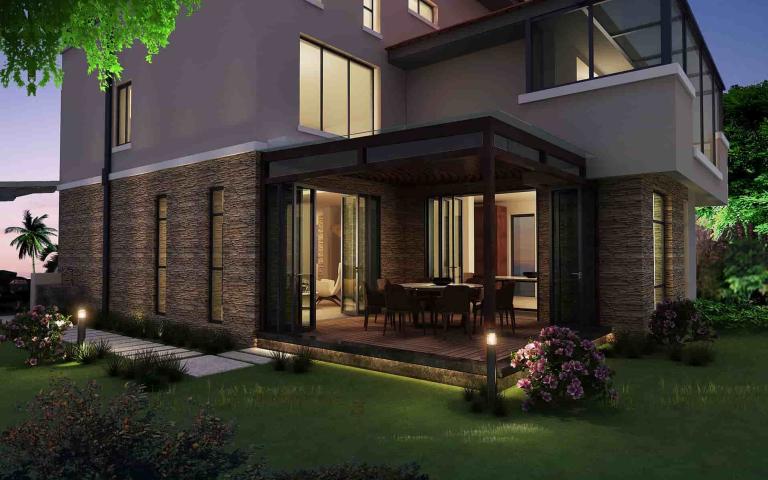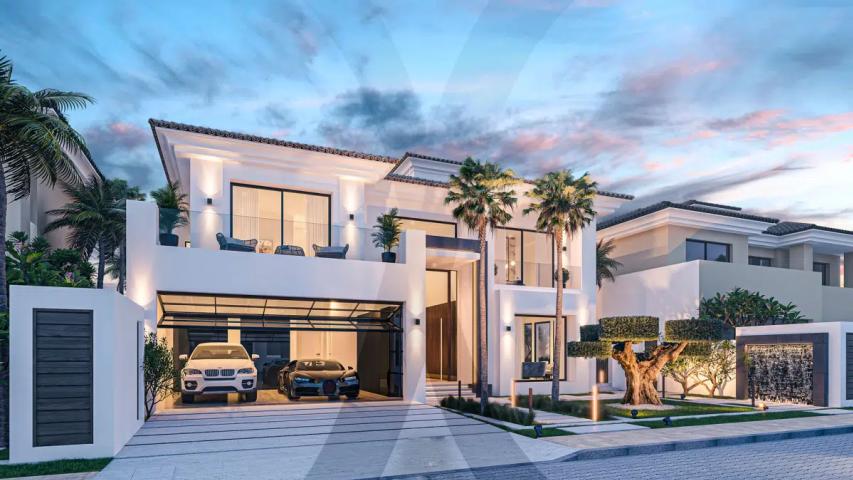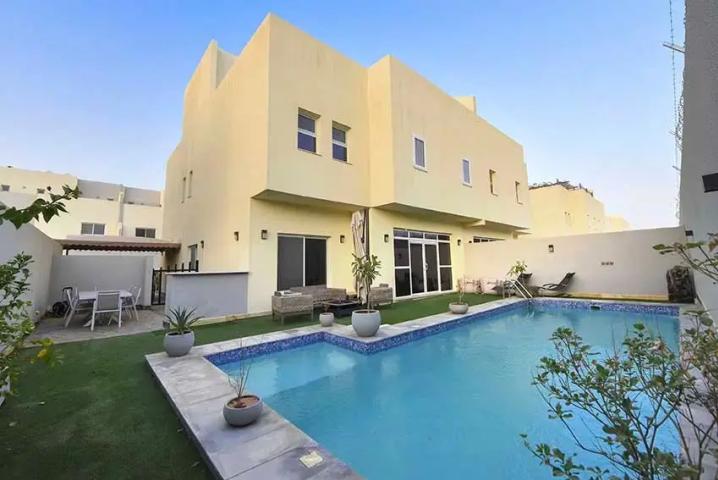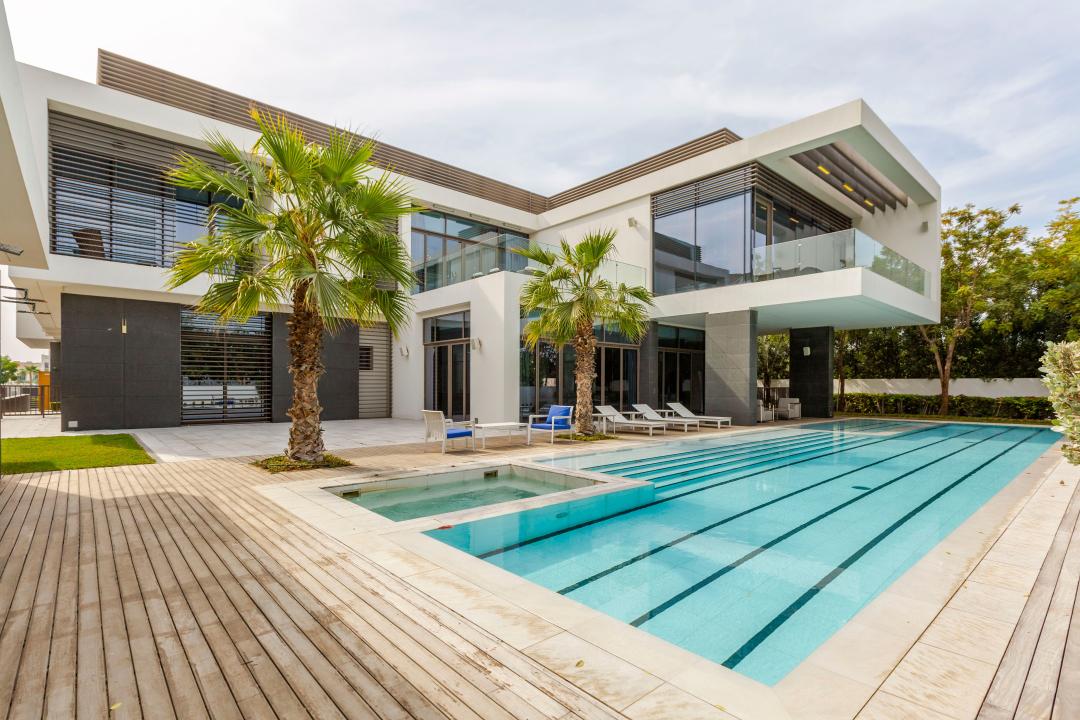
So, when you renovate a villa, it feels like you get to re build your whole space, kind of like taking what you already have and turning it into something that matches how you actually live, and how you might live later. If you just got an older villa, or you’re thinking “let’s modernize this place”, you still really need a plan, because without it everything becomes messy, and you may end up missing details. Budgeting, design choices, even just picking the right contractor, all of it matters, and it all links back to whether your vision actually comes true.
Dubai’s real estate scene is still pulling in homeowners who want luxury, comfort, and practicality in one bundle. That’s why villa renovation projects are getting more common, as people try to boost the property value, and make everyday life feel smoother. Many homeowners get ideas from successful work by top villa construction companies in Abu Dhabi, but renovating an existing villa in Dubai isn’t exactly the same, and there are different realities to handle.
Start with a Clear Vision
Before you reach out to contractors, or talk to designers, take a moment to really define what you want. Think about how the home works for you today, then imagine how your needs could shift. Some people care most about the look, others care more about usefulness, energy savings, or adding a bit more room for everyday movement.
Try asking yourself a few questions that are slightly annoying but helpful:
- Which areas of
the villa need attention first, and not later?
- Do you want a
full overhaul, or should it be more like room specific upgrades?
- Will this
renovation make the home more comfortable, raise value, or do both at once?
- Are there life>
Once you get clarity here, everything else tends to fall into place, even the small decisions that people normally overlook.
Setting a Realistic Budget and Timeline
Alright so after your vision is more or less locked in, and your inspiration board is basically full, you can finally sit down and talk numbers. Setting a realistic budget early is probably the single most critical thing during that whole planning stage. If you don’t have a firm financial boundary in place, remodeling costs can start to slide, then suddenly spiral out of control, and that tends to create stress you definitely don’t need. Also when you calculate your budget, you have to include way more than what you can immediately see, the obvious materials and basic labor. Stuff like hidden costs, structural repairs, plumbing overhauls, or electrical rewiring often show up only once demolition is already underway.
Here’s a quick list of the main pieces you should fold into your financial planning, so nothing important gets left behind, or forgotten.
- Design and
Consultation Fees: the upfront costs for architects or interior designers to produce
your first layouts, plus those 3D renderings that help everything feel
real.
- Material Sourcing: what you’ll pay
for quality floor finishes, imported tiles, premium bathroom fixtures, and
custom-built cabinetry, basically the “nice but not optional” parts.
- Labor and
Contracting: this is usually the biggest chunk, it covers the skilled crew,
project managers, and the tradesmen who translate the plan into something
physical.
- Contingency Fund: plan for an extra fifteen to twenty percent of your total estimate, specifically for the surprise expenses that are unavoidable, but somehow always arrive on schedule.
Hiring the Right Professionals for the Job
Honestly your grand vision and that carefully planned budget, they’re only worth so much once there’s a real team actually working it. Picking the correct contractors, engineers, and interior designers can straight up make or break your remodeling plan. So don’t just rush through it, interview several firms, ask for super detailed itemized quotes, and then make sure you check references from past clients. Even if it feels slow, it usually saves time later.
A solid contractor should be open about how they price things, what the timeline looks like, and what exact quality of materials they plan to use. If you’re searching for dependable specialists who handle Villa renovation Dubai, focus on companies that have a strong and verifiable portfolio, like completed work that matches your own >
In Dubai the residential zones can be pretty different, from the Mediterranean vibe in Arabian Ranches to the sleek, ultra modern Palm Jumeirah. Each place can come with its own kind of structural requirements plus aesthetic expectations set by developers. A contractor with deep, local familiarity will usually anticipate logistical hiccups earlier and keep everything moving more smoothly. Also double check their trade licensing and insurance, because you really don’t want surprises or unwanted financial responsibility during that intense construction period.
Navigating Permits and Official Approvals
One of the weirdly unique parts of remodeling a residential property in the United Arab Emirates is how strict the regulatory stuff can be. Before you even think about swinging a hammer or taking down a wall, you have to make sure all your paperwork is lined up exactly right. If you don’t secure the proper permissions, you can end up with big municipality fines, forced work stoppages, and project delays that feel almost endless. Usually the approval pathway means you coordinate a lot with your community developer and the relevant local government offices.
Some common rules you’ll generally need to meet include, not limited to:
- Developer NOC (No
Objection Certificate): This one is mandatory and it comes from your community’s master
developer, like Emaar, Nakheel or Dubai Properties. You typically need it
before you begin external alterations or major changes inside.
- Dubai
Municipality approvals: These are required for structural changes, expanding rooms, removing
load-bearing walls, or doing major infrastructure modifications. They do not
really play around here.
- Civil Defence clearance: You’ll need this if your planned upgrade involves meaningful changes to the property’s fire protection setup, or the main electrical load.
Prioritize Energy Efficiency
Today’s renovations give a great chance to improve a villa’s overall energy performance, and honestly, it’s not just about looks. More people are thinking about sustainability, so many owners now choose energy-saving approaches that lower consumption, while at the same time, increasing comfort.
You can start with upgrades like better insulation, energy-saving lighting, solar setups, smart thermostats, and higher performance windows. When these parts work together, they help reduce utility costs and support a greener, more environmentally responsible home.
Also, home automation systems let homeowners watch energy consumption and steer it more smoothly. In the end, the whole place tends to run with less waste, and that’s the point.
Adding Long-Term Value to Your Property
A properly done renovation project can really boost the market value of your place. Most buyers these days seem drawn to homes that feel updated, with modern layouts, high-end finishes, smarter systems, and that kind of contemporary design vibe.
Renovations that zero in on kitchens, bathrooms, outdoor areas, and energy efficiency usually bring back some of the strongest return on investment. And even if you are not thinking about selling right away, improving your property’s worth still stays a solid long-haul advantage.
Final Thoughts
Putting together a dream villa renovation takes careful prep, realistic expectations, and real attention to detail. From setting your goals and building a budget to choosing dependable materials and hiring experienced professionals, every small decision matters more than people think.
A
successful renovation is not just about making a place look upgraded. It’s more
like crafting a home that truly supports your day-to-day routine, shows your
own personal taste, and keeps delivering value for years. With careful planning
and skilled execution, your Dubai villa can be reshaped into a living space
that feels comfortable, works better, and looks beautiful—now and in the
future.