Payroll management has always been one of the most critical — and most time-consuming — functions in any business. From calculating salaries and deductions to ensuring statutory compliance with PF, ESI, and TDS, the monthly payroll cycle demands accuracy, speed, and up-to-date knowledge of ever-changing regulations.
For years, businesses in India relied on spreadsheets or installed desktop software to handle these tasks. These systems worked — until they didn’t. As teams grew, regulations changed, and remote work became the norm, the limitations of traditional payroll tools quickly became apparent.
That is why, in 2026, more businesses than ever are making the switch to cloud-based payroll software. It is not just a technology upgrade — it is a strategic shift in how companies manage their workforce, control costs, and stay compliant.
What Is Cloud-Based Payroll Software?
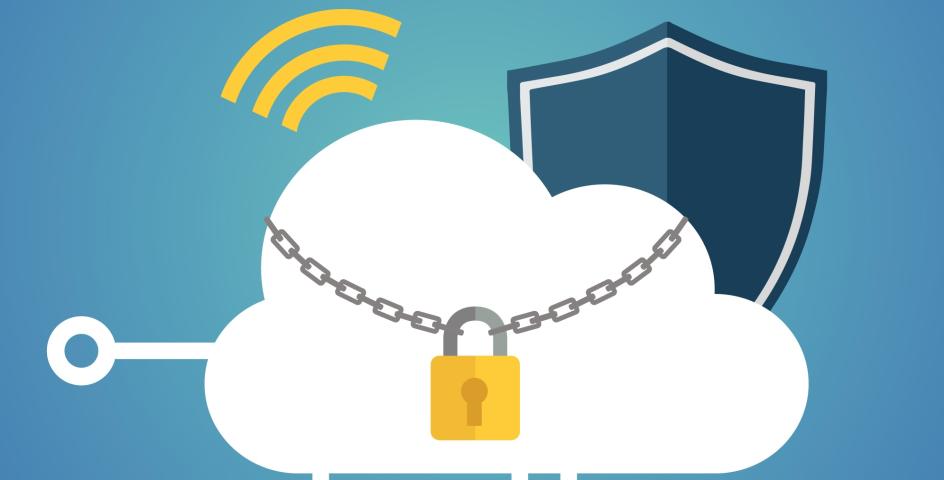
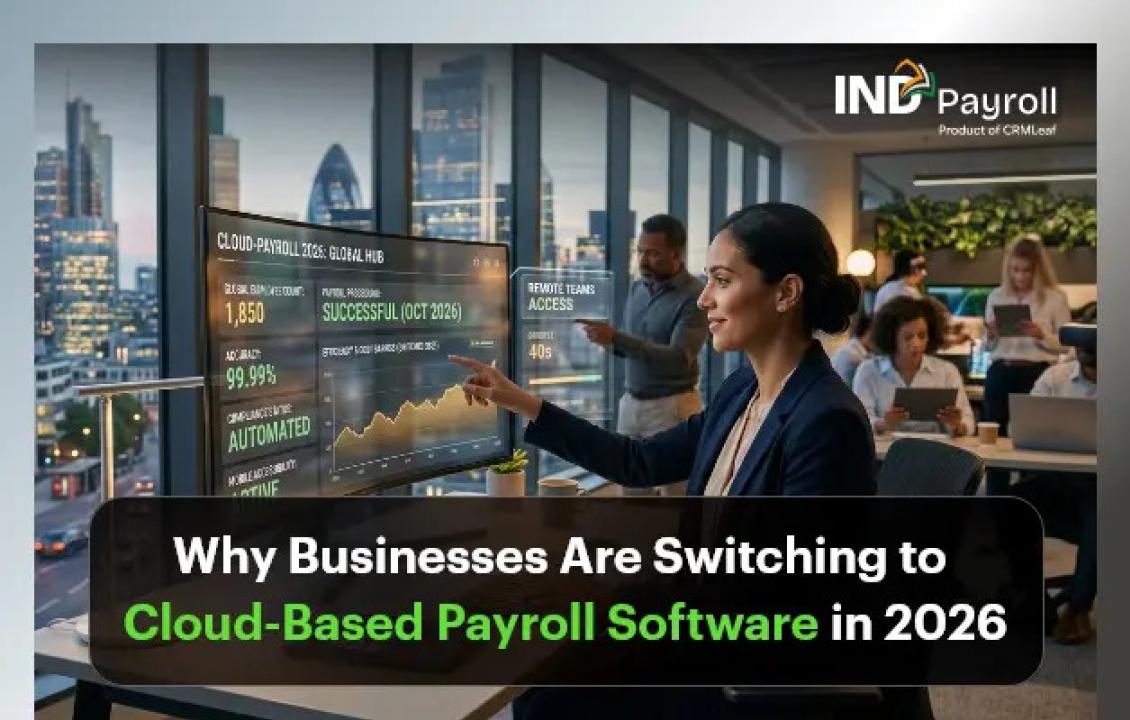
Cloud-based payroll software is an online payroll system that processes and manages employee compensation through secure, internet-hosted servers. Unlike legacy systems that require installation on local computers or on-premises hardware, this platform is accessible from any device, anywhere, at any time.
The software provider maintains the platform, handles all updates, and ensures the system reflects the latest tax laws and compliance requirements — without your IT team lifting a finger. You simply log in, run payroll, and let the system do the heavy lifting.
For business owners and HR managers overseeing growing teams, this represents a fundamental change: from reactive, manual processing to proactive, automated payroll management. To understand the full scope of what this means, explore how INDPayroll’s payroll automation works.