Driving around Texas is something else. Roads like Interstate 27 stretch long and wide, and construction zones constantly pop up regionally. On top of that, the weather can be unpredictable. All those factors combine to take a toll on your car over time. Checking your engine and fluids is something that a lot of people do, but there is one more critical safety check that you can't forget to do: check your tires.
A monthly tire tread check is your primary line of defense against unexpected blowouts and dangerous handling drops. Waiting until your regular inspection or oil change is a gamble you do not want to take. If you ever notice sudden vibrations or an obvious loss of traction along Loop 289, you should immediately pull into one of the trusted tire stores in Lubbock, TX, for an expert inspection.
Understanding how your rubber reacts to regional environments can mean the difference between a smooth commute and an emergency on the side of the road.
Why Texas Road Conditions Demand Aggressive Tire Care
Texas roads do some serious damage to car parts, especially tires. The main factor that causes tire tread wear in the South Plains is the heat. During summer months, the temperature can be in the triple digits. In a standard 100°F day, the temperature of the road can easily exceed 140°F. Extreme heat makes the rubber of the tire softer, so it will wear down much faster than in cooler northern climates.
In addition, the rapid wear of tires is exacerbated by the regional climate, which causes unpredictable weather and requires more traction and safety. Texas is known for dry weather, which causes oil, grease, and dust to build up on the roads.
When a flash flood or thunderstorm hits, that layer will mix with the rain and make the road very slippery. If your tires don't have enough tread to allow water to leave the area in contact with the road, your car will “hydroplane” with no control.
Texas has some of the highest speed limits, with many roads having limits of 75 mph and higher. Speeding on the Freeway increases the heat and friction inside the tires. A tire safety inspection can help make sure that your tires can handle the speed limits without losing tread.
How Do You Measure the Tread Depth on a Tire?
To ensure your vehicle remains safe on the highway, you need to know exactly how to measure your remaining rubber. The most precise and professional method involves using a dedicated mechanical or digital pocket tool.
To use a manual gauge, push the measuring probe all the way out, insert it straight into the deepest groove of the tire, and press the base of the tool flat against the surrounding tread block. Read the measurement, which is typically displayed in thirty-seconds of an inch 1/32”. Take measurements across three different points of the tire: the inner edge, the center, and the outer edge to ensure the surface is wearing down evenly.
If you don't have a professional tool handy, you can easily use basic pocket change for a quick assessment. While many drivers are familiar with the classic penny test, relying on it can be risky for high-speed highway driving. The penny test measures for a safe tire tread depth of 2/32”, which is the absolute legal limit. At 2/32”, your stopping distances in wet conditions are already severely compromised.
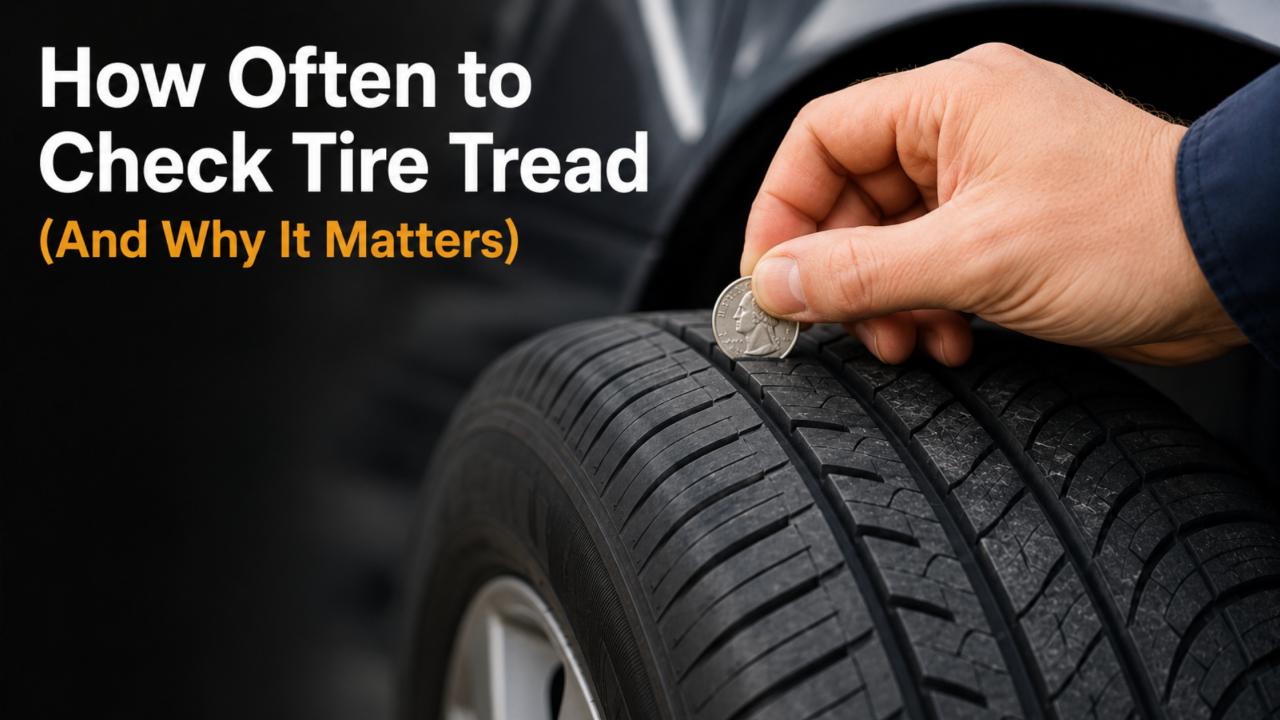
Instead, a smarter alternative for Texas highways is the Quarter Test. Take a standard quarter and insert it upside down into the tire groove with George Washington’s head facing you:
Safe: If the rubber covers any part of Washington’s head, your tires have at least 4/32” of depth remaining. This provides enough channeling capability to handle heavy rain at highway speeds.
Warning Zone: If the top of Washington's head is completely visible, your depth is below 4/32”. This is an immediate sign that your traction is reduced, and it is time to start shopping for replacements.
Modern tires also come with built-in safety features called wear bars. As tires wear down, these small rubber bars become flush with the tread. When the wear bars are level with the bordering tread blocks, then the tires need to be replaced.
Knowing the Signs: Worn Tire Symptoms & Diagnosis
While keeping an eye on physical depth is vital, a complete tire maintenance guide requires analyzing the entire physical structure of the tire. Heavy UV exposure from the intense Texas sun damages rubber compounds over time, causing a form of degradation known as dry rot.
There are many signs that your tires are worn. One common indicator is tiny cracks that look like spider webs. These can be found in the sidewall of the tire or in the cracks of the tread. Another sign of a worn tire is cracks along the side of the tire or bulging in the sidewall. These signs of damage can mean that the tire can blow out at any moment.
It is also important to pay close attention to any development of uneven tire wear. If you notice that the inner or outer shoulder of the tire is wearing down significantly faster than the center, your vehicle’s wheel alignment is likely out of specification.
Driving on rough, unpaved rural roads or striking deep potholes can easily knock your suspension out of alignment, causing the tires to drag at an angle rather than rolling straight. This drag creates excessive friction, dragging down your overall tire performance and safety.
Proactive Tire Maintenance & Longevity
Executing proper tire maintenance can substantially extend the lifespan of your rubber investment. The single most important daily factor is maintaining correct cold inflation pressure. Because air expands when heated, a hot Texas afternoon can cause your tire pressure to spike by several pounds per square inch (PSI).
Always check and adjust your tire pressure in the morning before driving, following the factory specifications listed on the placard inside the driver's door jamb rather than the maximum pressure stamped on the tire itself.
You should check the condition and wear of your tires at least once a month to prevent minor issues that may result in expensive repairs. Checking tire pressure should also be done. When rotating tires, you should do so equally for all four tires to ensure even wear, as the front tires do sustain more wear as they bear the weight of the engine and steering forces.
Regularly swapping your tires between the front and rear axles ensures you get maximum mileage out of your current set while preserving predictable, balanced handling performance on the road.
When to Action a Replacement
Getting in the habit of checking your tires monthly is a great and easy way to keep your family safe. Familiarizing yourself with the signs that a tire needs to be replaced, like worn-down tread, bubbling along the sidewall, or wear bars, can help you avoid a tire crisis emergency.
If you notice any of the symptoms we described earlier during your once-a-month tire checks, you should have them replaced sooner rather than later. Driving on worn-out tires is even more dangerous when you are on the highway. Find a good local tire repair shop that can provide you with new, safer tires, whether it is to replace them or to get a proper balance or alignment done.