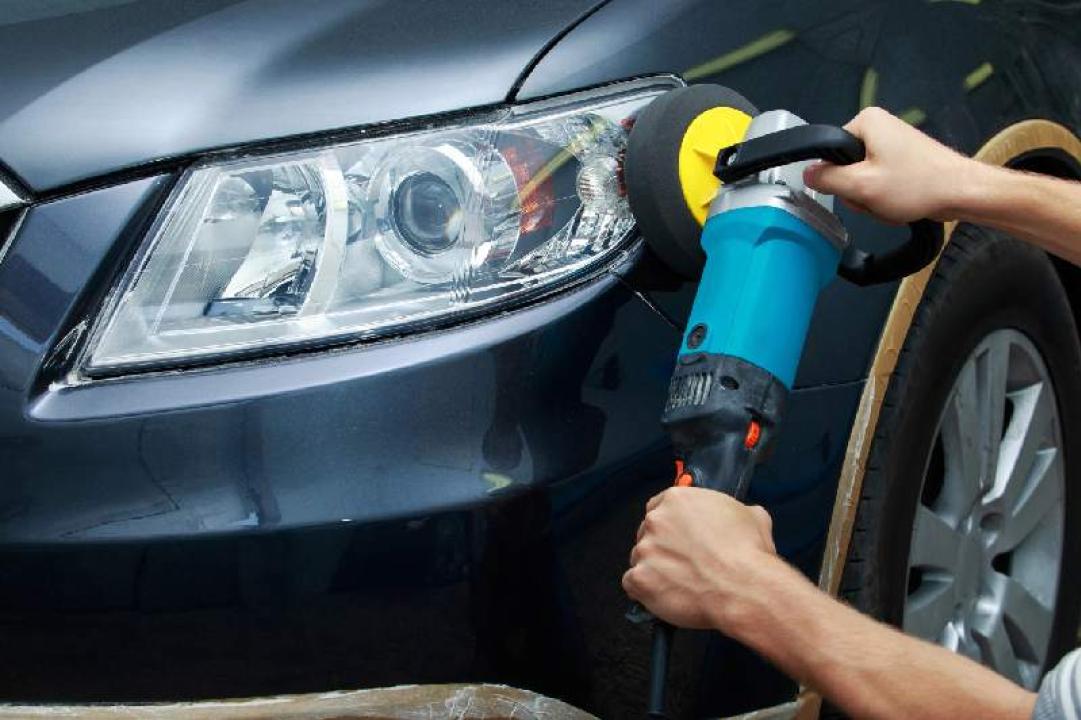
When you get into a car accident, the moments immediately following the impact are often chaotic and stressful. Once the insurance claims are filed and the initial shock wears off, your primary focus shifts to getting your vehicle back on the road. You drop your vehicle off at a local repair facility, and a few days or weeks later, you pick it up looking as good as new. But what actually happens during that time? The process of restoring a damaged vehicle involves structural engineering, advanced metallurgy, and artistic craftsmanship.
Understanding the detailed steps of professional restoration can take the mystery out of the process. It highlights why choosing a specialized facility makes a massive difference in the safety and longevity of your vehicle.
Step 1: Digital Assessment and Blueprinting
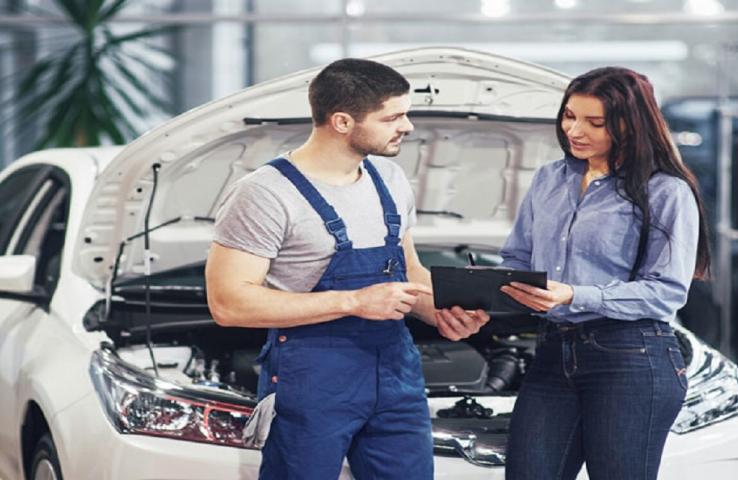
The process does not begin with a hammer or a wrench. It starts with a comprehensive digital assessment and blueprinting stage. When a vehicle enters an auto body shop Livingston NJ, estimators conduct a meticulous teardown of the damaged areas. This is crucial because modern vehicles are designed with crumple zones that absorb impact energy. Often, the most severe damage is hidden deep beneath the plastic bumper covers and exterior sheet metal.
During blueprinting, technicians document every broken clip, bent bracket, and compromised structural component. They use specialized computer software to map out a complete repair plan. This upfront accuracy ensures that all necessary replacement parts are ordered immediately, minimizing delays and providing your insurance company with an accurate cost breakdown from the very beginning.
Step 2: Precision Frame Alignment and Structural Repair
Once the repair plan is finalized, the vehicle moves into the structural phase. The frame or unibody of your vehicle is its skeleton, protecting you in the event of another crash. Even a minor low-speed collision can warp or twist the underlying frame, which can compromise the structural safety of the car and cause rapid, uneven tire wear.
To fix this, a certified auto body shop Livingston NJ utilizes specialized electronic measuring systems. The vehicle is secured to a heavy-duty frame rack, and computerized lasers measure the chassis against original factory specifications down to the exact millimeter. Hydraulics then pull the frame back into its precise original alignment. This step is non-negotiable for ensuring that the vehicle safety features, such as airbags and crumple zones, will deploy correctly in the future.
Step 3: Metalwork, Panel Replacement, and Dent Repair
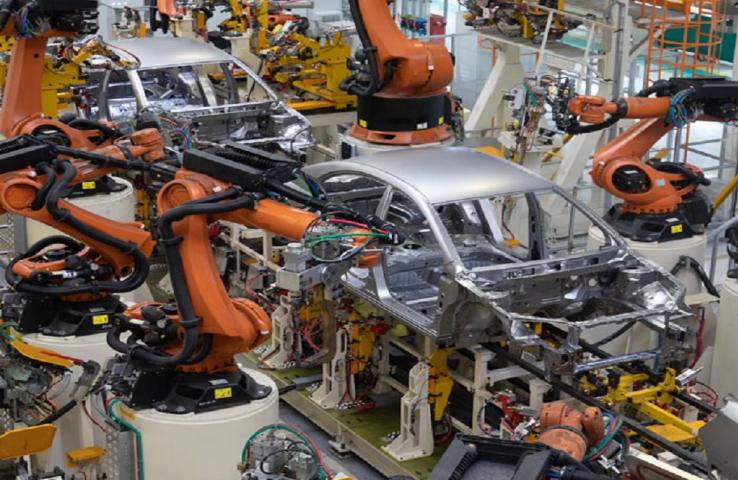
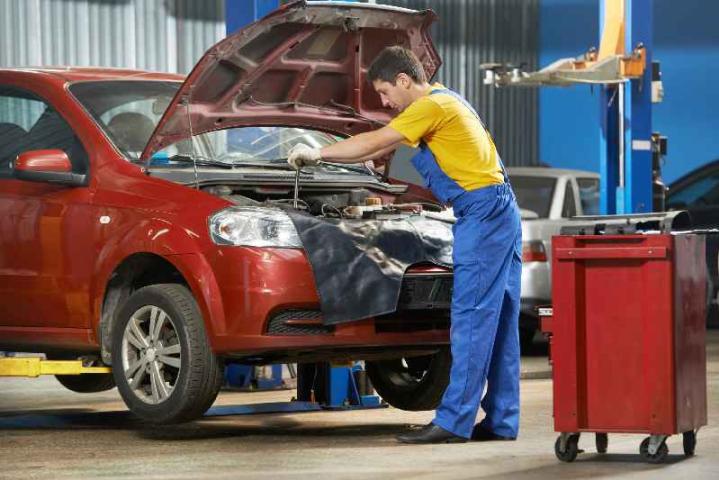
With the structural skeleton perfectly straight, technicians turn their attention to the exterior panels. Depending on the severity of the impact, some panels may need complete replacement, while others can be meticulously restored. This stage represents the core of traditional auto body repair Livingston NJ, where technicians work with specialized metals like high-strength steel and lightweight aluminum.
For smaller blemishes that have not cracked the paint, technicians utilize specialized tools for paintless dent repair Livingston NJ. This technique allows professionals to carefully massage the metal back into its original shape from behind the panel. For more severe impacts, damaged panels are removed, and new factory-authorized parts are welded or bonded into place using manufacturer-approved techniques.
Step 4: The Art and Science of Paint Matching
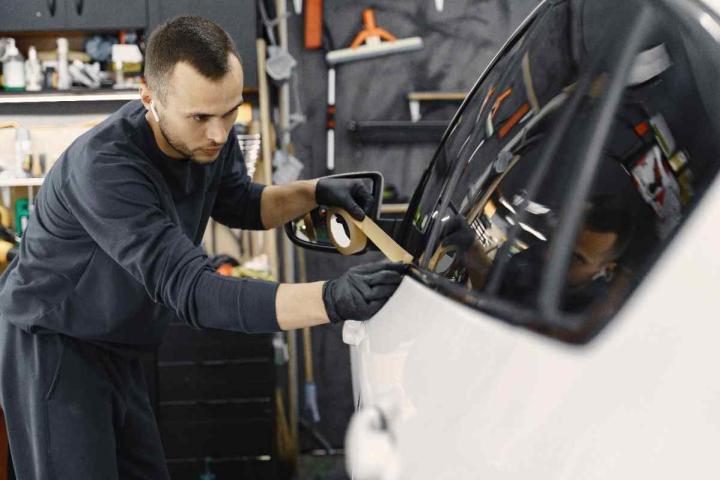
Achieving a flawless paint finish is an intricate process. It requires a perfectly clean environment and an expert eye for color formulation. Before any paint is applied, the repaired panels are sanded, primed, and sealed. The surrounding areas are carefully masked off with protective paper and tape to prevent overspray.
Matching aged or complex metallic factory paint is where true expertise shines in carbody repair Livingston NJ. Painters use a digital spectrophotometer to analyze the exact color code and fading patterns of your vehicle. The paint is then mixed using computer-controlled systems and applied inside a specialized, downdraft spray booth. This booth filters out dust and bakes the paint at high temperatures, creating a durable, factory-grade finish that blends seamlessly with the rest of the car.
Step 5: Assembly, Calibration, and Final Inspection
The final stage of professional collision repair Livingston NJ involves reassembling the vehicle exterior trim, lights, and interior door panels. However, reassembly is no longer just about putting screws back in place. Modern luxury vehicles are packed with Advanced Driver Assistance Systems, including blind-spot monitors, lane-keep cameras, and parking sensors.
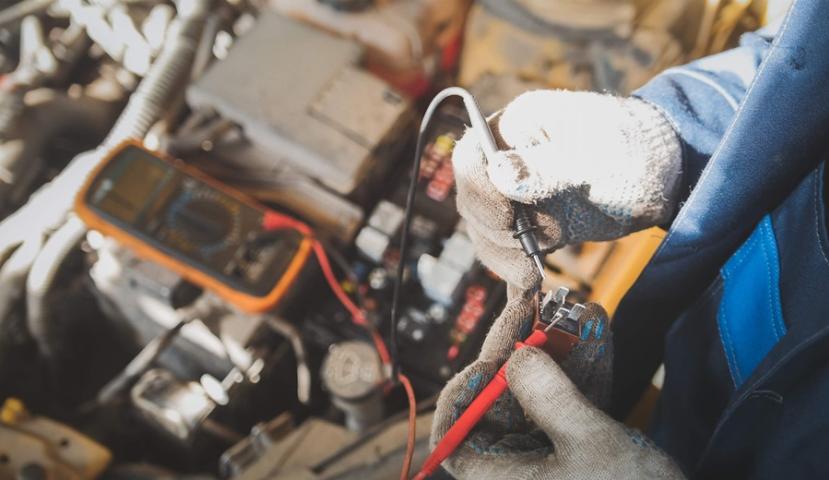
Whenever a bumper or mirror is removed, these sensors must be digitally recalibrated. Technicians connect the vehicle to diagnostic computers to align the safety sensors perfectly. Finally, the vehicle undergoes a thorough detailing and a strict quality control inspection, including a road test, to ensure that every system functions exactly as the manufacturer intended.
Frequently Asked Questions
What makes a certified auto body shop Livingston NJ different from a standard garage?
A certified shop has undergone rigorous training and independent audits to earn official approvals from vehicle manufacturers. This certification guarantees that the facility possesses the specific tools, frame alignment technology, and up-to-date training required to fix modern vehicles back to original factory safety and performance standards.
Can all minor dings be fixed using paintless dent repair Livingston NJ?
Paintless methods are highly effective for small to medium dents where the paint finish remains completely intact and unbroken. If the metal is sharply creased, or if the paint is scratched, chipped, or peeling, traditional repair methods and partial panel repainting will be required to prevent rust and restore the panel appearance.
How do you ensure the paint matches perfectly during carbody repair Livingston NJ?
We utilize a digital spectrophotometer to scan your vehicle existing paint work. Because factory paint can fade over time due to sunlight and weather, this camera-based tool helps us formulate a customized paint blend that accounts for aging, ensuring the newly painted panels match the rest of your vehicle flawlessly.
Is structural frame straightening safe after a major accident?
Yes, it is completely safe when performed by experienced technicians using computerized alignment racks. Our laser measuring equipment checks the vehicle chassis against factory dimensions down to the millimeter. If a component cannot be safely straightened to meet factory safety margins, it is completely cut out and replaced according to manufacturer guidelines.
How long does the average collision repair Livingston NJ take from start to finish?
The timeline varies heavily depending on the severity of the structural damage, the complexity of the onboard electronics, and parts availability from the manufacturer. A minor cosmetic fix might take three to five business days, whereas major structural reconstruction involving deep electronic calibration can take two to three weeks. We provide consistent updates throughout the duration of your vehicle stay.
Know more https://livingstoncollision.com/auto-body-repair-livingston-nj/