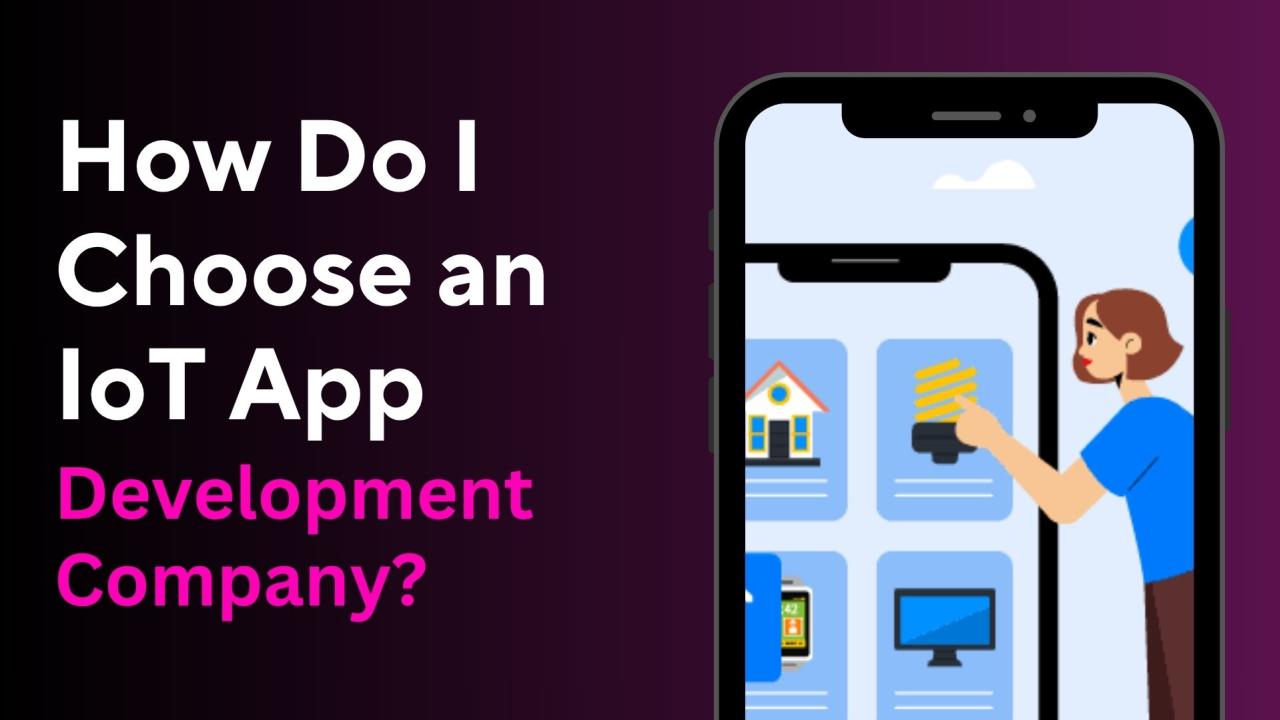
The Internet of Things (IoT) is transforming how businesses operate by connecting devices, collecting real-time data, and enabling intelligent automation. However, building a reliable IoT solution requires specialized expertise in hardware integration, cloud systems, data security, and mobile app development.
Choosing the right IoT app development company is critical because it directly impacts scalability, performance, and long-term success of your IoT ecosystem.
In this guide, you’ll learn how to evaluate an IoT development partner, what capabilities to look for, and why companies like Apptunix are often considered in the IoT development space.
Quick Answer
To choose the right IoT app development company, look for:
- Proven IoT development experience
- Strong portfolio of connected device solutions
- Expertise in cloud platforms (AWS, Azure, Google Cloud)
- Secure architecture and data encryption practices
- Cross-platform mobile app development skills
- Hardware and sensor integration capability
- Scalable backend infrastructure design
- Post-launch support and maintenance
A reliable provider ensures end-to-end IoT development—from device connectivity to app deployment and analytics.
What Does an IoT App Development Company Do?
An IoT app development company builds software systems that connect physical devices with digital platforms.
These companies typically handle:
- IoT mobile applications (Android & iOS)
- Cloud-based dashboards
- Device-to-device communication systems
- Real-time data analytics platforms
- Firmware and hardware integration
- API development for IoT ecosystems
Their goal is to ensure seamless communication between devices, users, and cloud systems.
Key Factors to Consider When Choosing an IoT App Development Company
1. IoT Technical Expertise
A strong IoT partner should have experience in:
- MQTT, CoAP, and HTTP protocols
- Embedded systems
- Edge computing
- Sensor integration
- Real-time data processing
Without this foundation, IoT solutions may lack stability and scalability.
2. Cloud Integration Capabilities
IoT systems rely heavily on cloud infrastructure.
Ensure the company has experience with:
- AWS IoT Core
- Microsoft Azure IoT Hub
- Google Cloud IoT
- Scalable microservices architecture
Cloud expertise ensures secure and real-time device communication.
3. Security and Data Protection
IoT systems handle sensitive real-time data, making security a top priority.
Look for:
- End-to-end encryption
- Secure authentication protocols
- Device identity management
- Data privacy compliance
- Secure API development
Weak security can expose IoT systems to cyber threats.
4. UI/UX for IoT Applications
IoT apps must present complex data in a simple, usable format.
Check whether the company can deliver:
- Real-time dashboards
- Interactive analytics views
- Device control interfaces
- Mobile-friendly design
- Custom alerts and notifications
Good UX improves adoption and usability.
5. Hardware Integration Experience
A reliable IoT app development company should understand hardware ecosystems such as:
- Sensors and actuators
- Wearable devices
- Smart home systems
- Industrial IoT machines
This ensures smooth communication between physical devices and software systems.
6. Scalability of IoT Architecture
IoT systems often grow rapidly in terms of devices and data volume.
The company should design:
- Scalable backend systems
- Load-balanced architectures
- Distributed computing systems
- Efficient data storage solutions
Scalability ensures long-term performance without system breakdowns.
7. Post-Development Support
IoT solutions require continuous monitoring and upgrades.
Look for services like:
- Bug fixes and updates
- Device firmware updates
- Cloud optimization
- Performance monitoring
- Feature enhancements
Ongoing support ensures system reliability.
Development Process Followed by IoT Companies
A professional IoT app development company typically follows this workflow:
1. Requirement Analysis
Understanding business goals and IoT use cases.
2. Architecture Design
Planning device connectivity, cloud structure, and data flow.
3. UI/UX Design
Designing dashboards and mobile interfaces.
4. Development
Building mobile apps, backend systems, and device integrations.
5. Testing
Validating device communication, performance, and security.
6. Deployment
Launching IoT ecosystem across devices and cloud platforms.
7. Maintenance
Providing updates and scaling support.
Why IoT Projects Fail Without the Right Company
Choosing the wrong partner can lead to:
- Poor device connectivity
- Security vulnerabilities
- High latency in data transmission
- Scalability issues
- Frequent system downtime
- Poor user experience
This is why selecting an experienced IoT app development company is essential.
Example of an IoT Development Partner
One of the companies often mentioned in digital product development discussions is Apptunix.
Companies like this typically offer:
- IoT mobile app development
- Cloud-based IoT platforms
- Real-time analytics dashboards
- Device integration services
- Custom software development
While evaluating any provider, businesses should always verify portfolio strength, technical expertise, and IoT case studies.
Industries Using IoT Applications
IoT solutions are widely used across industries such as:
- Healthcare (remote patient monitoring)
- Smart homes (automation systems)
- Manufacturing (predictive maintenance)
- Agriculture (smart irrigation)
- Logistics (fleet tracking)
- Retail (smart inventory systems)
- Energy (smart grids)
- Automotive (connected vehicles)
Each industry benefits from real-time monitoring and automation.
Checklist for Choosing the Right IoT App Development Company
Before hiring, ensure the company has:
- Proven IoT project experience
- Strong cloud computing knowledge
- Security-first development approach
- Hardware integration capability
- Scalable architecture design
- Cross-platform mobile expertise
- Strong client portfolio
- Post-launch support system
Frequently Asked Questions (FAQs)
What is an IoT app development company?
An IoT app development company builds applications and systems that connect physical devices to cloud platforms for real-time data exchange and control.
How much does IoT app development cost?
The cost depends on complexity, number of devices, features, and cloud infrastructure requirements.
Why is security important in IoT apps?
IoT systems handle sensitive data from connected devices, making strong encryption and authentication essential to prevent cyber threats.
Can IoT apps work without cloud integration?
Some IoT solutions can function locally, but most scalable systems require cloud integration for real-time processing and analytics.
Conclusion
Choosing the right IoT app development company is essential for building secure, scalable, and high-performing connected systems. Businesses should evaluate technical expertise, cloud capabilities, security practices, and long-term support before making a decision.
Companies like Apptunix demonstrate how end-to-end IoT development services can support businesses in building modern connected ecosystems. However, the final choice should always be based on your project requirements, industry needs, and scalability goals.