I've spent the last couple weeks bouncing between three browser games that all live under the same "wave" mechanic, hold to rise, release to fall, don't touch the walls. On paper they sound identical. In practice they play noticeably different, and after enough runs on each one, I think they're solving three separate problems rather than being three versions of the same idea. Here's where they actually diverge.
The Core Mechanic Is the Same, the Feel Isn't
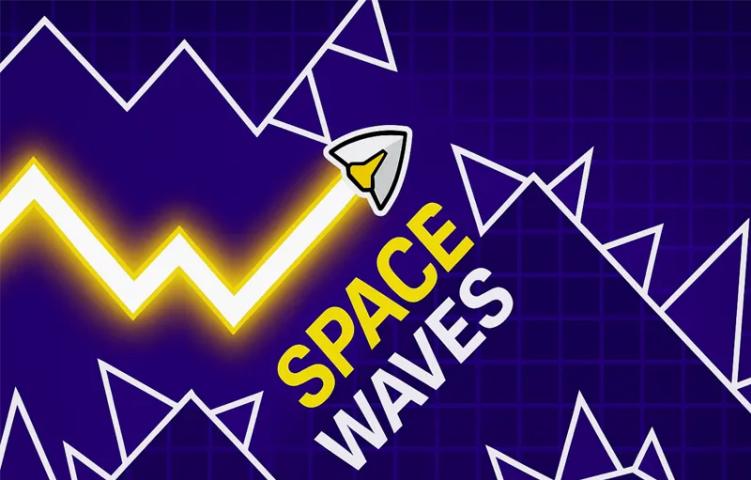
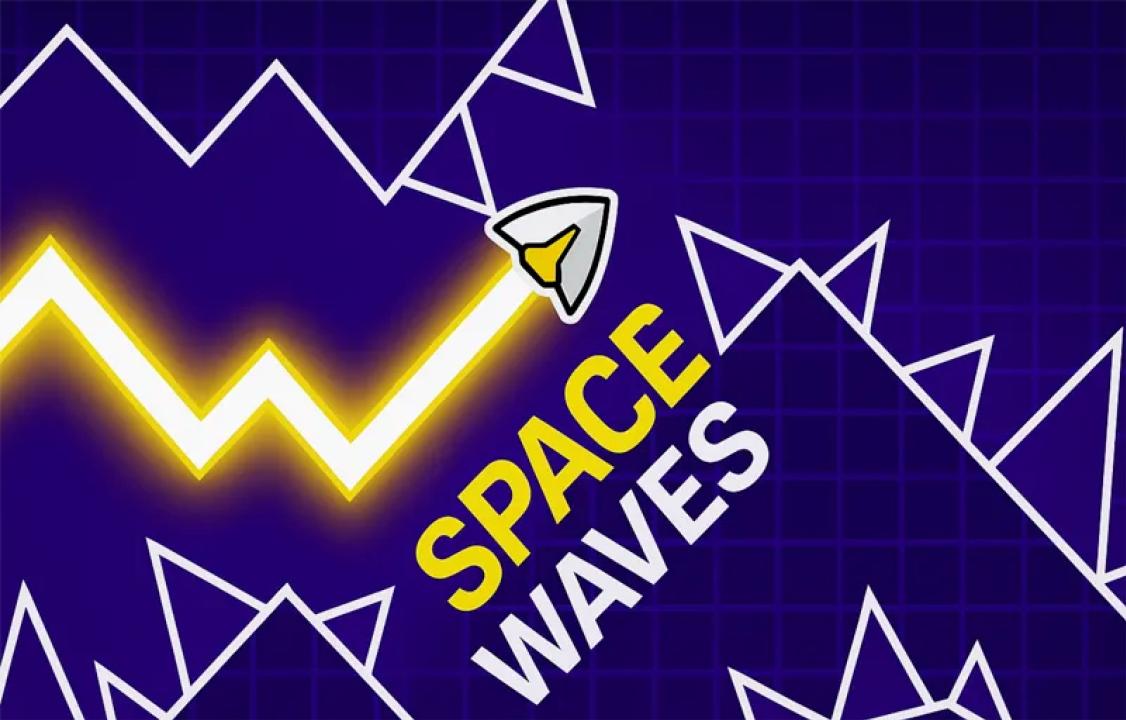
All three games use the same one-button input: hold to climb, let go to drop, thread the arrow or ship through gaps without clipping a wall. That's where the similarity ends. The difference comes down to what each game is testing. Space Waves 2 tests consistency across a huge stage list. Arrow Wave tests memorization and rhythm inside a tighter, more structured pack. Wave Road tests improvisation under constantly rising speed.
If you've only played one of these and assumed the others would feel the same, you're in for a surprise. Muscle memory from one doesn't transfer cleanly to the next.
Space Waves 2: The Deepest Roster, Least Punishing Entry Point
Space Waves 2 is the one with actual scale. Thirty three stages, all unlocked from the start, no grind gate keeping you from the harder maps if you want to jump straight in. What I liked most is the difficulty labeling system, green through Demon, which means you can genuinely calibrate your session instead of guessing whether the next stage is going to wreck you.
The three modes are what set it apart from the other two. Classic gives you fixed layouts with a hard reset on collision. Endless strips the finish line entirely and just ramps speed and obstacle density until you crack. Race rewards clean, repeatable lines over reckless shortcuts. That's three different reasons to keep playing the same core mechanic, which is more variety than either of the other two games offers.
The one thing worth flagging: no checkpoints, ever, even close to a finish gate. One mistake at the 90 percent mark sends you back to zero. That's either going to feel fair or infuriating depending on your patience for that kind of design, but it's consistent with the other two games in this comparison, so it's not really a mark against it specifically.
Arrow Wave: Tightest, Most Deliberately Paced
Arrow Wave takes the opposite approach from Space Waves 2's open buffet. It's a fixed, numbered stage list, 24 levels, structured in a clear difficulty curve: levels 1 through 8 teach hold length, 9 through 16 introduce moving hazards, 17 through 24 stack everything together and punish hesitation specifically.
What stood out to me here is how much the game leans on choreography rather than raw speed. Obstacles rotate, slide, and appear mid-flight in later stages, which means you can't just memorize one hold-and-release pattern and expect it to carry you through a level. You're reacting to motion, not just fixed geometry. That makes Arrow Wave feel more like a rhythm game wearing a flight game's skin, and it's the one of the three I'd recommend if you actually enjoy grinding a single stage a dozen times until the timing clicks.
The instant restart here does a lot of work. No loading screens between attempts means the grind never feels like it's wasting your time, which matters a lot for a game built around repetition.
Wave Road: The Fastest, Least Predictable of the Three
Wave Road is the one that stresses me out the most, in a good way. The terrain shifts between runs, so you can't fully memorize a path the way you can in Arrow Wave's fixed levels. Combine that with speed that keeps climbing the longer you survive, and you get a game where the skill being tested isn't memorization, it's staying calm and reading gaps in real time as the tunnel accelerates past what feels reasonable.
The energy orb collection loop is a nice touch, it unlocks new wave trail >
Which One Should You Actually Play
If I had to hand these to three different types of players:
Someone who wants the most content and the most flexibility in how they play it should start with Space Waves 2. The mode variety alone gives it the longest shelf life of the three.
Someone who likes structured progression and doesn't mind grinding the same short stage repeatedly until it clicks should go with Arrow Wave. It's the most focused, deliberate experience of the group.
Someone who wants pure adrenaline and doesn't want to memorize anything should go with Wave Road. It's the shortest sessions of the three but probably the most intense minute for minute.
Honestly, the fact that all three run the same core input but land so differently is the more interesting takeaway here. It's a reminder that a simple mechanic isn't the whole game, the level design and pacing built around it is what actually decides how it feels in your hands. You can try all three at spacewaves2.net if you want to make your own call on which one earns the most restarts.