The thunder had finally faded, and the heavy rain stopped
just before sunrise. Sarah stepped outside to check her yard after a powerful
storm moved through the neighborhood. Broken tree branches covered the lawn,
and a few shingles rested near the driveway. She looked at her roof for a
moment and thought, "It doesn't look too bad."
A few weeks later, she noticed a small water stain spreading
across her bedroom ceiling. What seemed like a minor issue after the storm had
quietly grown into a much larger problem. Water had found its way beneath
damaged shingles, soaked the insulation, and reached the drywall inside her
home.
Situations like this happen more often than many homeowners
realize. Storms do not always leave obvious signs of damage. Some problems
remain hidden beneath roofing materials until another rainfall makes them
impossible to ignore.
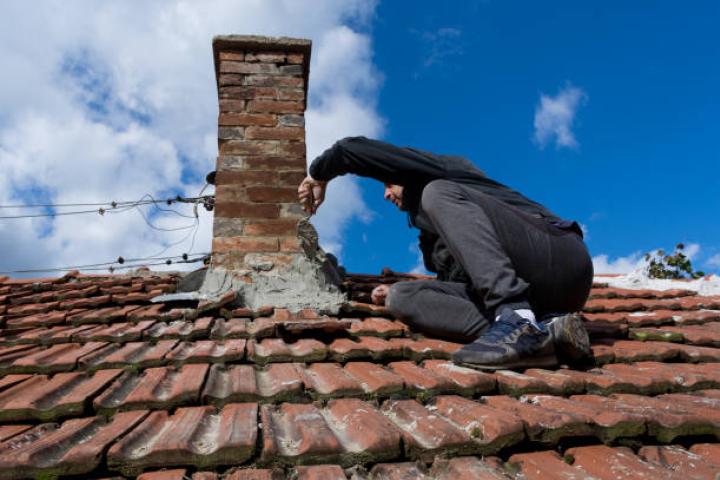
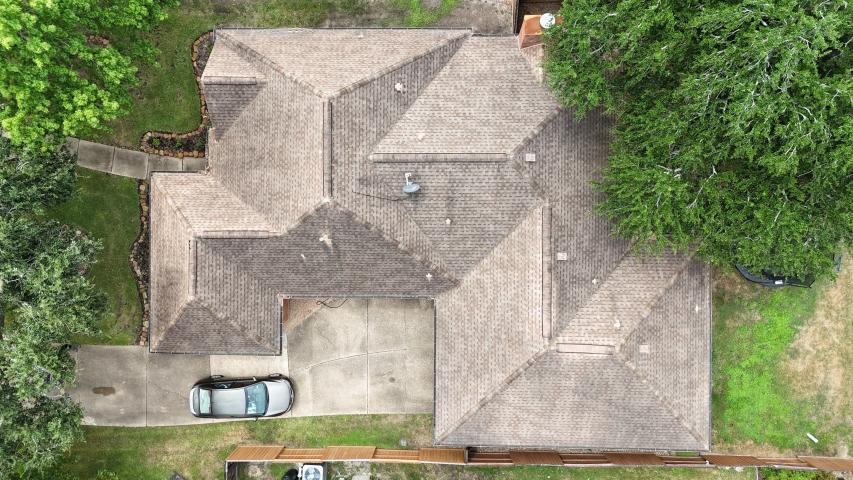
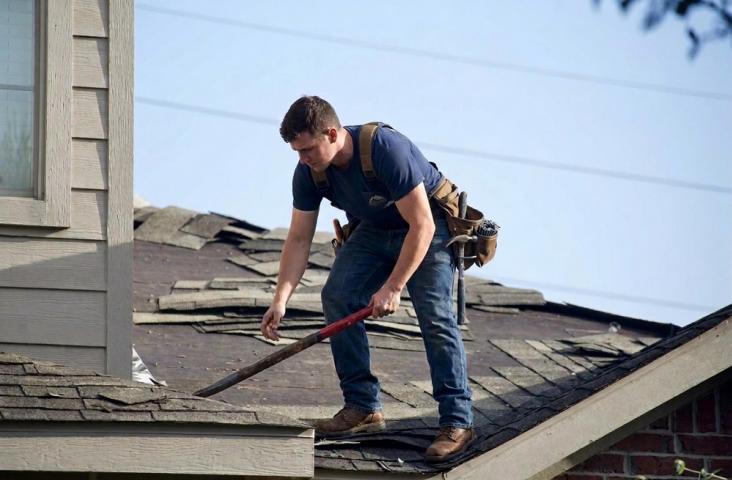
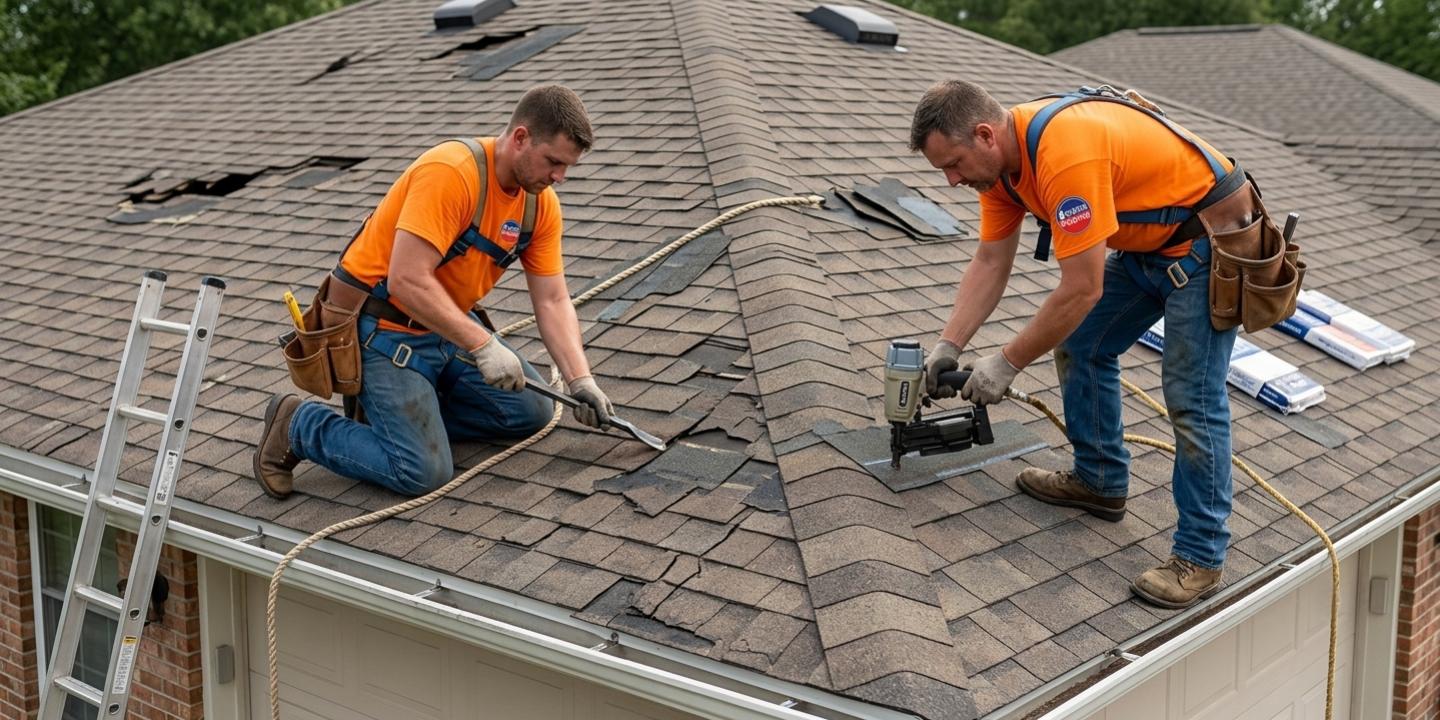
A professional roof inspection helps uncover these hidden issues before they become expensive repairs. It also gives homeowners a better understanding of their roof's condition, making Storm Damage Roof Repair decisions much easier and more accurate.
Those timeless words apply perfectly to roof maintenance.
Catching problems early is almost always easier and less expensive than waiting
for them to grow.
Why Storm Damage Is Not Always Easy to Spot
Many homeowners expect storm damage to be obvious. Missing
shingles or fallen tree limbs certainly grab attention, but storms often create
less visible problems that can still threaten the entire roofing system.
Strong winds may lift shingles without removing them
completely. Hail can leave small cracks that weaken roofing materials over
time. Heavy rain may force water beneath flashing or around roof vents without
causing an immediate leak.
These hidden issues usually become worse with each passing
storm.
That is why a roof should always be inspected after severe
weather, even if everything appears normal from the ground.
Common Hidden Problems After a Storm
Some of the most common issues discovered during inspections
include:
- Lifted
shingles
- Cracked
flashing
- Loose
ridge caps
- Hail
impact marks
- Damaged
roof vents
- Moisture
trapped beneath shingles
- Soft
roof decking
- Small
punctures caused by falling branches
Finding these problems early helps prevent more serious
structural damage later.
Why Roof Inspections Matter Before Repairs Begin
Every storm affects a roof differently. Two homes on the
same street may experience completely different levels of damage.
A professional inspection helps identify exactly what has
been affected instead of relying on guesswork.
Rather than replacing materials that remain in good
condition or overlooking hidden damage, inspectors evaluate the entire roofing
system.
This process often includes:
- Examining
shingles for wind or hail damage
- Checking
flashing around chimneys and vents
- Looking
for moisture inside the attic
- Inspecting
gutters and downspouts
- Evaluating
roof decking
- Identifying
areas that need immediate attention
The information gathered during an inspection helps
homeowners choose the right repair solution based on the roof's actual
condition.
Signs Your Roof May Need Storm Damage Roof Repair
Not every roofing problem becomes visible right away.
Knowing what to watch for after severe weather helps
homeowners respond before damage spreads throughout the home.
Missing or Lifted Shingles
Wind can loosen shingles without removing every piece.
Even small gaps leave the roof exposed to rain and moisture.
Water Stains Indoors
Brown or yellow stains on ceilings often indicate that water
has entered the roofing system.
The leak may have started days or even weeks earlier.
Granules Around Downspouts
Asphalt shingles naturally lose some granules over time, but
large amounts after a storm may suggest hail or wind damage.
Sagging Roof Areas
A sagging section may indicate trapped moisture or weakened
roof decking.
This issue deserves immediate attention.
Damaged Flashing
Flashing seals vulnerable areas around chimneys, skylights,
and roof penetrations.
Once damaged, these areas become common entry points for
rainwater.
How Roof Inspections Help Homeowners Make Better Decisions
Many homeowners struggle with one essential question after a
hurricane.
"Does my roof need repairs, or does it need
replacement?"
Without an inspection, the answer often becomes guesswork.
Professional inspections remove uncertainty by documenting
the condition of every major roofing component.
Instead of making decisions based on appearance alone,
homeowners receive clear information about:
- The
extent of storm damage
- Areas
that remain in good condition
- Repairs
that should be completed immediately
- Damage
that should be monitored
- The
estimated lifespan of the existing roof
This information helps homeowners avoid unnecessary expenses
while making confident decisions about Storm Damage Roof Repair.
Roof Inspection vs. Waiting Until a Leak Appears
Some homeowners wait until water begins dripping inside the
home before contacting a roofing professional.
Unfortunately, roof damage often spreads long before leaks
become visible indoors.
The comparison below shows why early inspections matter.
|
Roof Inspection After a Storm |
Waiting Until a Leak Appears |
|
Finds hidden damage early |
Damage continues to spread |
|
Lower repair costs |
More expensive repairs |
|
Helps protect insulation |
Wet insulation may require replacement |
|
Reduces the chance of mold growth |
Greater risk of mold and mildew |
|
Extends roof lifespan |
Can shorten roof life |
|
Supports insurance documentation |
Damage may become harder to document |
Scheduling an inspection soon after severe weather gives homeowners a much better chance of limiting repair costs.
Taking action early helps homeowners move forward with
confidence instead of facing larger roofing problems later.
Common Mistakes Homeowners Make After a Storm
Storm recovery often feels overwhelming, and many homeowners
make decisions that unintentionally increase repair costs.
Some of the most common mistakes include:
- Assuming
the roof is fine because there are no apparent leaks
- Ignoring
missing shingles
- Waiting
several months before scheduling an inspection
- Attempting
unsafe roof inspections without proper equipment
- Delaying
repairs after damage has already been confirmed
Each of these decisions allows small roofing problems to
grow into much larger ones.
A professional inspection remains one of the simplest ways
to understand the true condition of a roof after severe weather.
How to Choose the Right Storm Damage Roofing Company
After a storm, many roofing companies begin contacting
homeowners or offering quick repairs. While some contractors do excellent work,
others may rush the process or recommend repairs that are not necessary. Taking
a little extra time to choose the right storm damage roofing company can
save money and prevent future problems.
A dependable roofing contractor should perform a complete
inspection before suggesting any repairs. They should explain the damage in
simple language, answer your questions, and give you a written estimate that
clearly outlines the work. Good communication is just as important as quality
workmanship because it helps homeowners understand exactly what their roof
needs.
Before making a decision, remember to:
- Verify
licensing and insurance.
- Read
recent customer reviews.
- Ask
about workmanship and material warranties.
- Request
a detailed written estimate.
- Make
sure cleanup is included in the project.
- Avoid
contractors who pressure you into making an immediate decision.
Choosing a company that values honesty and quality
workmanship gives homeowners greater confidence throughout the repair process.
Understanding the Insurance Claim Process After Storm Damage
Many homeowners are unsure when they should contact their
insurance company after a storm. Waiting too long can make the claims process
more difficult, especially if additional weather causes more damage.
A roof inspection creates a record of the roof's condition
shortly after the storm. Inspection reports, photographs, and written
documentation can help support an insurance claim and clearly show the damage
that occurred.
To stay organized, homeowners should:
- Take
photos of visible roof damage and debris around the property.
- Keep a
record of the storm date.
- Schedule
a professional roof inspection.
- Contact
the insurance company if storm damage is confirmed.
- Save
inspection reports, repair estimates, and related documents.
Keeping detailed records can make the process much smoother
and reduce unnecessary delays.
Simple Roof Maintenance Tips After Storm Repairs
Completing repairs is only one part of protecting a roof.
Regular maintenance helps keep roofing materials in good condition and allows
homeowners to identify small issues before they become expensive problems.
A few basic routines can make a noticeable effect throughout
the year.
- Clean
gutters regularly to allow proper water drainage.
- Remove
tree branches hanging over the roof.
- Check
the attic for signs of moisture after heavy rain.
- Inspect
ceilings for new stains.
- Schedule
routine roof inspections after major storms.
- Replace
damaged shingles as soon as they are discovered.
These small steps can help extend the life of the roof and reduce the likelihood of future repairs.
Preparing your roof before small issues grow larger is one
of the smartest ways to protect your home.
Why Homeowners Trust Modern Roofing USA After Storm Damage
Recovering from storm damage can feel overwhelming,
especially when hidden roofing problems are involved. Modern Roofing USA understands
that every home has different needs, which is why each inspection begins with a
careful evaluation of the entire roofing system. The team takes time to
identify visible and hidden damage, explain the findings in straightforward
language, and recommend practical repair solutions based on the roof's actual
condition. This approach helps homeowners make informed decisions without
unnecessary confusion or pressure.
If you are looking for storm damage
roof repair in Pelzer SC, working with experienced roofing
professionals can make the repair process much easier. Modern Roofing USA is
committed to quality workmanship, honest communication, and dependable service
that helps protect homes after severe weather. Addressing storm damage early
not only reduces the risk of additional repairs but also helps extend the life
of your roof and gives you greater confidence when the next storm arrives.
Final Thoughts
A storm may last only a few hours, but the damage it leaves
behind can affect a home for months if it goes unnoticed. Missing shingles,
damaged flashing, and hidden moisture often begin as small problems that
gradually become expensive repairs. That is why a professional roof check
should never be seen as an optional step following severe weather.
An inspection gives homeowners a clear understanding of
their roof's condition and removes the guesswork from Storm Damage Roof
Repair decisions. Instead of waiting for leaks or interior damage to
appear, early action helps protect the roof, the home's structure, and the
investment you have made in your property.
If your home has recently experienced heavy rain, hail, or
strong winds, now is the right time to schedule a professional inspection.
Finding hidden damage early can save money, reduce future repair costs, and
help keep your home safe through every season.