
Machine learning has become one of the most important technologies driving enterprise transformation. Organizations are using machine learning models to improve decision-making, automate operations, predict customer behavior, optimize resources, and create personalized experiences.
However, as machine learning adoption expands, enterprises are facing a critical challenge: how to manage these AI systems effectively while ensuring accuracy, transparency, security, and compliance.
Building a successful machine learning model is only one part of the AI journey. The real challenge begins when organizations deploy multiple models across different departments and business functions. These models require continuous monitoring, updates, risk evaluation, and governance to ensure they continue delivering reliable outcomes.
This is where machine learning governance plays a crucial role.
Machine learning governance provides enterprises with a structured approach to managing AI models throughout their lifecycle. It helps organizations establish accountability, maintain compliance, improve model performance, and reduce risks associated with large-scale AI adoption.
As businesses move toward AI-driven operations, implementing a strong governance framework is becoming essential for building trustworthy and sustainable machine learning ecosystems.
What is Machine Learning Governance?
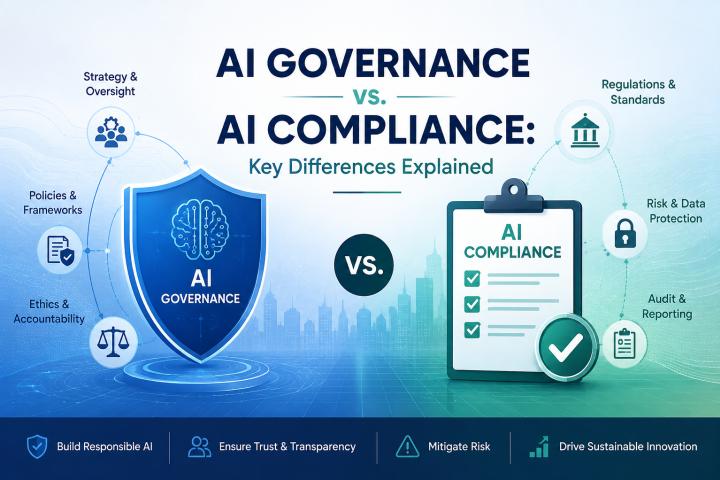
Machine learning governance is the process of establishing policies, frameworks, and practices that control how machine learning models are created, deployed, monitored, and managed.
Unlike traditional software applications, machine learning models continuously evolve based on changing data and real-world conditions. A model that performs effectively today may produce inaccurate results in the future if data patterns change.
Machine learning governance ensures that organizations have the necessary processes to monitor these changes and maintain model reliability.
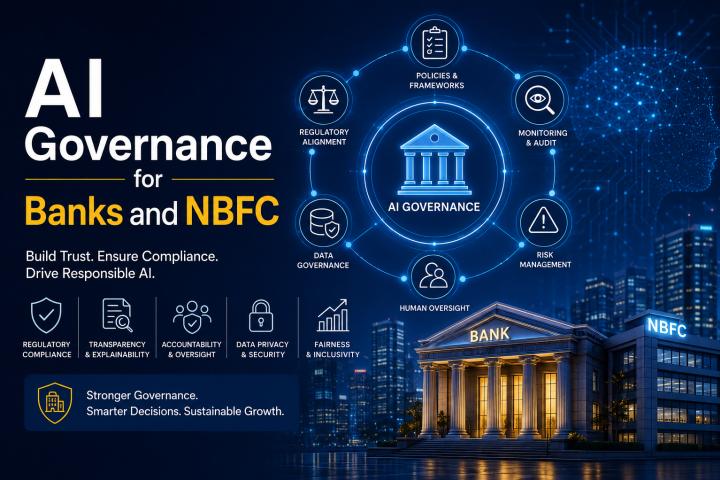
An effective governance framework covers multiple areas, including:
- Data quality management
- Model development standards
- Deployment approval processes
- Performance monitoring
- Security controls
- Regulatory compliance
- Risk management
- Documentation practices
By implementing governance practices, enterprises can ensure that their machine learning systems remain accurate, responsible, and aligned with business objectives.
Why Machine Learning Governance is Important for Enterprises
As AI adoption increases, enterprises are moving beyond individual machine learning experiments and building large-scale AI ecosystems. This expansion introduces new challenges related to managing hundreds of models across different teams and departments.
Without proper governance, organizations may struggle with issues such as inconsistent model performance, lack of transparency, security vulnerabilities, and compliance risks.
For example, a financial organization using machine learning for credit assessment needs to ensure that its models make fair and explainable decisions. Similarly, healthcare organizations using AI-based solutions need to maintain accuracy and protect sensitive patient information.
Machine learning governance helps enterprises create a controlled environment where AI systems can scale safely.
It allows organizations to answer critical questions such as:
- Who owns a specific machine learning model?
- What data was used for training?
- How accurate is the model after deployment?
- Is the model producing biased outcomes?
- Does the system comply with industry regulations?
By addressing these challenges, governance enables businesses to adopt AI with greater confidence.
Key Areas Covered Under Machine Learning Governance
Data Governance for Machine Learning
Data is the foundation of every machine learning system. The quality, accuracy, and security of data directly impact model performance.
A machine learning governance strategy ensures that organizations maintain proper controls over data collection, storage, processing, and usage.
Effective data governance helps enterprises maintain data accuracy, track data sources, manage permissions, and ensure compliance with privacy regulations.
For example, if a machine learning model is trained using outdated or incomplete customer data, it may generate inaccurate predictions. Data governance helps prevent such issues by ensuring that models are built using reliable and properly managed datasets.
Model Lifecycle Management
Machine learning models require continuous management from development to retirement.
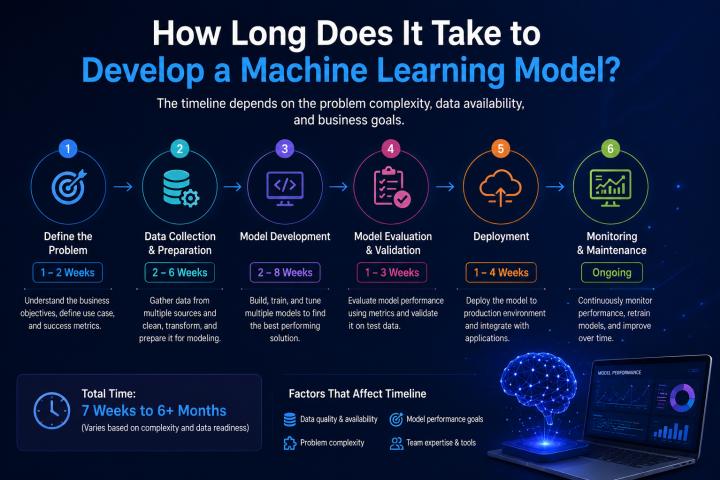
A governance framework defines processes for every stage of the model lifecycle, including:
- Model development
- Testing and validation
- Deployment
- Monitoring
- Optimization
- Retirement
During development, teams need proper documentation of model architecture, training data, and performance metrics.
Before deployment, models should undergo testing to evaluate accuracy, security, and potential risks.
After deployment, continuous monitoring helps identify issues such as performance degradation, data drift, or unexpected behavior.
This lifecycle-based approach ensures that machine learning models remain effective throughout their operational lifespan.
Model Monitoring and Performance Management
Deploying a machine learning model does not mean the process is complete.
Unlike traditional applications, machine learning models can change in performance over time due to shifting market conditions, customer behavior, or new data patterns.
Model monitoring helps enterprises track important performance indicators and identify potential issues early.
Organizations monitor factors such as:
- Prediction accuracy
- Data quality changes
- Model drift
- Response time
- Business impact
Continuous monitoring allows teams to optimize models and maintain consistent performance.
Managing AI Risks Through Governance
Machine learning systems can introduce several risks if they are not properly managed.
These risks include:
- Biased predictions
- Security vulnerabilities
- Poor decision-making
- Lack of transparency
- Regulatory violations
Machine learning governance helps organizations identify and manage these risks before they impact business operations.
Risk management processes allow enterprises to evaluate models based on their impact, complexity, and sensitivity.
High-risk applications, such as financial decision systems or healthcare AI solutions, require stronger governance controls to ensure responsible usage.
The Role of Explainability in Machine Learning Governance
One of the biggest concerns with machine learning adoption is understanding how models make decisions.
Many advanced machine learning algorithms operate as complex systems, making it difficult for users to understand their predictions.
Explainability allows organizations to analyze model decisions and provide transparency to stakeholders.
For industries such as banking, healthcare, and insurance, explainable AI is especially important because organizations need to justify AI-driven decisions.
Machine learning governance frameworks encourage explainability practices to build trust among customers, regulators, and business teams.
Implementing Machine Learning Governance at Enterprise Scale
Establish Clear Governance Policies
The first step toward successful governance is creating clear policies that define how machine learning systems should be managed.
Organizations should establish guidelines around data usage, model approval processes, security requirements, compliance standards, and monitoring procedures.
By leveraging AI governance consulting services, enterprises can design customized governance strategies that align with their AI objectives, regulatory requirements, and operational needs.
These policies provide teams with a consistent approach to developing and managing machine learning solutions responsibly.
Build Collaboration Between Teams
Machine learning governance requires collaboration between multiple stakeholders.
Data scientists focus on model development, engineers manage deployment, security teams protect infrastructure, and compliance teams ensure regulatory alignment.
Creating cross-functional governance teams helps organizations maintain accountability and make better AI decisions.
Integrate Governance With MLOps
As enterprises scale AI adoption, manual governance processes become difficult to maintain.
Integrating governance practices with MLOps enables organizations to automate important activities such as:
- Model tracking
- Performance monitoring
- Compliance reporting
- Documentation management
This integration allows businesses to maintain governance while accelerating AI innovation.
Challenges of Machine Learning Governance
Scaling Governance Across Multiple Models
Large organizations often manage hundreds of machine learning models across different departments.
Maintaining visibility, ownership, and compliance across these models can become challenging without centralized governance processes.
Keeping Up With AI Regulations
AI regulations are constantly evolving, requiring organizations to regularly update their governance strategies.
Enterprises must ensure that their machine learning systems remain compliant with changing legal and industry standards.
Balancing Control and Innovation
Organizations need to find the right balance between governance and innovation.
Overly restrictive processes can slow down AI development, while insufficient governance can create significant risks.
A flexible governance framework allows enterprises to maintain control without limiting innovation.
Best Practices for Machine Learning Governance
Successful machine learning governance requires continuous improvement and strategic planning.
Organizations should focus on:
Creating Standardized Processes
Defining consistent development, testing, and deployment procedures improves efficiency and reduces risks.
Maintaining Model Documentation
Detailed documentation improves transparency and helps teams understand model behavior.
Automating Monitoring
Automated monitoring systems help organizations identify performance issues faster.
Conducting Regular Reviews
Periodic governance reviews ensure that AI systems remain aligned with business and compliance requirements.
Future of Machine Learning Governance
The future of enterprise AI will depend heavily on effective governance strategies.
As organizations adopt generative AI, autonomous systems, and advanced machine learning solutions, governance will become increasingly important.
Future machine learning governance frameworks will focus on:
- Automated compliance monitoring
- Real-time risk detection
- AI observability
- Responsible AI practices
- Integrated MLOps governance
Enterprises that invest in governance today will be better prepared to scale AI responsibly while maintaining trust and transparency.
Conclusion
Machine learning governance is becoming a fundamental requirement for organizations looking to scale AI successfully.
As machine learning systems become more integrated into critical business processes, enterprises need frameworks that ensure these models remain secure, transparent, compliant, and reliable.
A strong governance approach allows businesses to manage AI risks while unlocking the full potential of machine learning technologies.
By combining effective policies, continuous monitoring, responsible AI practices, and advanced governance strategies, organizations can build machine learning ecosystems that deliver long-term business value.