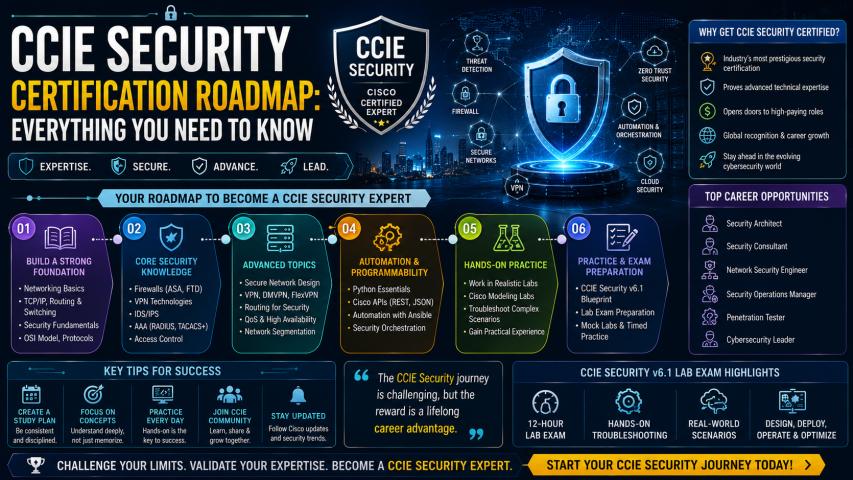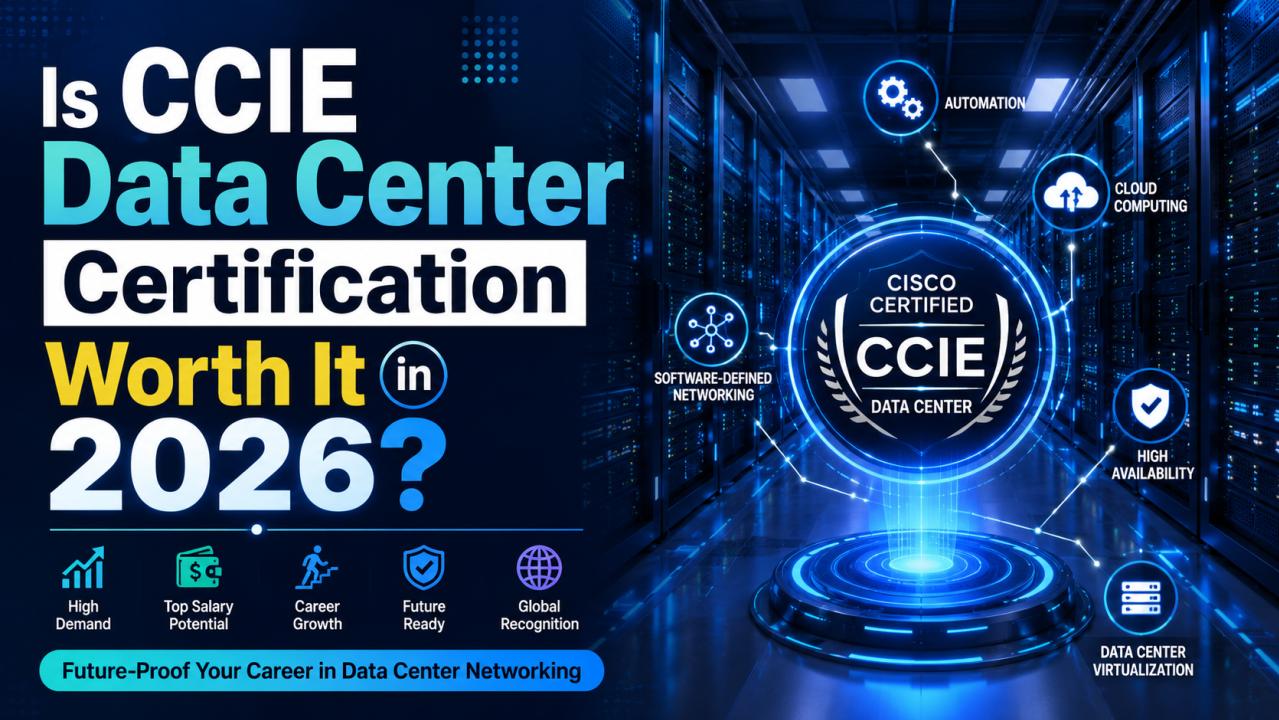
The demand for highly skilled data center professionals continues to grow as organizations adopt cloud computing, virtualization, automation, and AI-driven infrastructure. CCIE Data Center certification remains one of Cisco’s most prestigious expert-level credentials, validating advanced knowledge in designing, deploying, managing, and troubleshooting enterprise data center environments. For networking professionals aiming to advance their careers, this certification can open doors to leadership roles, higher salaries, and opportunities to work with global organizations.
Understanding the CCIE Data Center Certification
The CCIE Data Center certification is designed for experienced networking professionals who want to demonstrate expert-level skills in modern data center technologies. Unlike entry-level certifications, it focuses on real-world implementation, advanced troubleshooting, and enterprise-scale deployments.
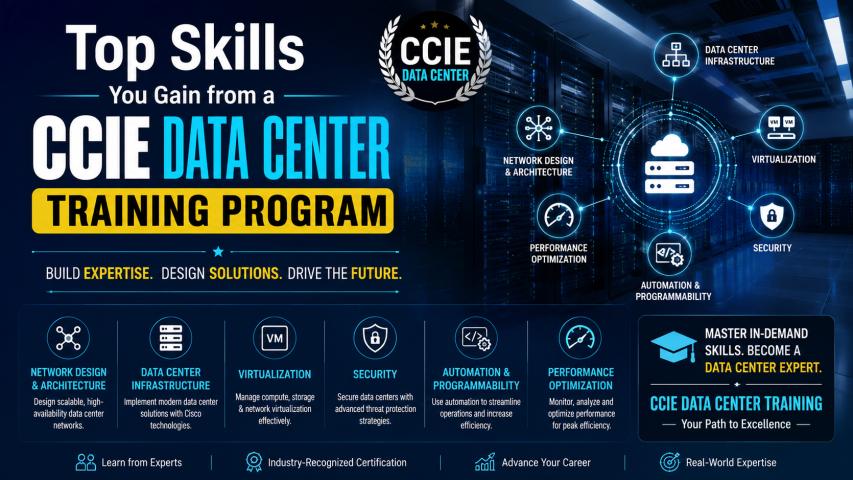
The certification validates expertise in:
Cisco Nexus switching
Cisco UCS
Storage networking
Data center virtualization
Cisco Application Centric Infrastructure (ACI)
Automation and programmability
Network security
High availability solutions
Disaster recovery concepts
Professionals who earn this certification are recognized for their ability to manage complex data center environments efficiently.
Why Is CCIE Data Center Still Relevant in 2026?
Technology continues to evolve, but enterprise data centers remain the backbone of digital operations. While many businesses have embraced cloud services, hybrid infrastructure has become the preferred model for organizations requiring scalability, security, and compliance.
Companies continue investing in:
Private cloud infrastructure
Hybrid cloud environments
Enterprise virtualization
High-performance networking
AI-ready data centers
Business continuity solutions
As a result, organizations require professionals capable of designing, implementing, and maintaining these sophisticated environments.
Industry Demand for Data Center Professionals
Digital transformation initiatives have increased the demand for experts who understand enterprise infrastructure.
Industries actively hiring CCIE Data Center certified professionals include:
Information Technology
Banking and Financial Services
Healthcare
Telecommunications
Manufacturing
Cloud Service Providers
Government Organizations
Retail and E-commerce
Consulting Firms
Data Center Service Providers
These sectors depend on reliable, secure, and scalable infrastructure to support mission-critical applications.
Why Practical Training Makes a Difference
Expert-level certification requires more than theoretical knowledge. Practical training helps candidates:
Understand complex enterprise deployments
Improve troubleshooting skills
Build confidence with Cisco technologies
Gain exposure to production-like environments
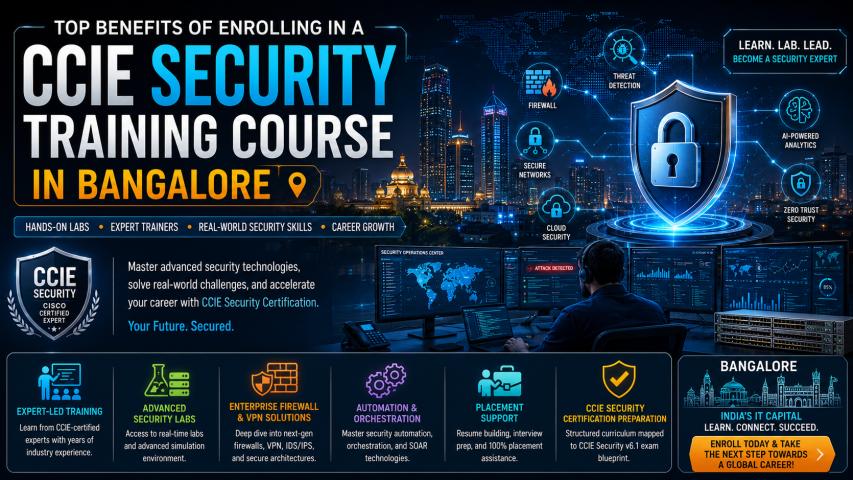
Prepare effectively for certification exams
Hands-on experience is one of the most valuable aspects of preparing for an expert-level certification.
Conclusion
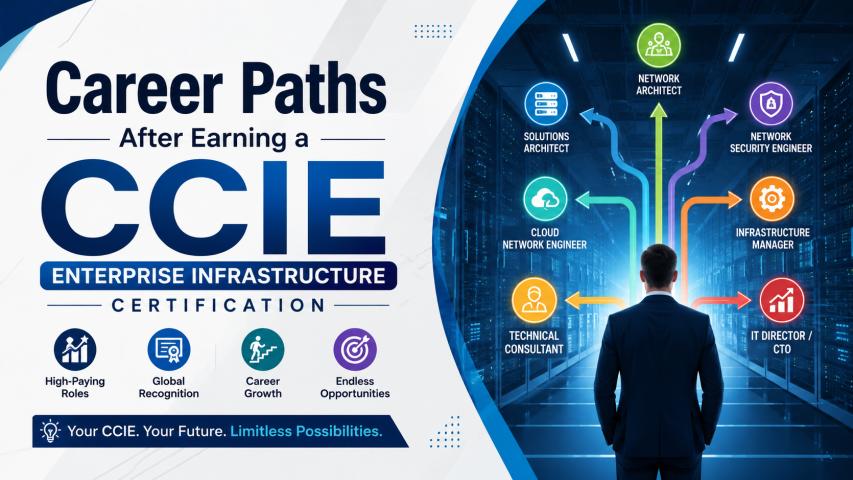
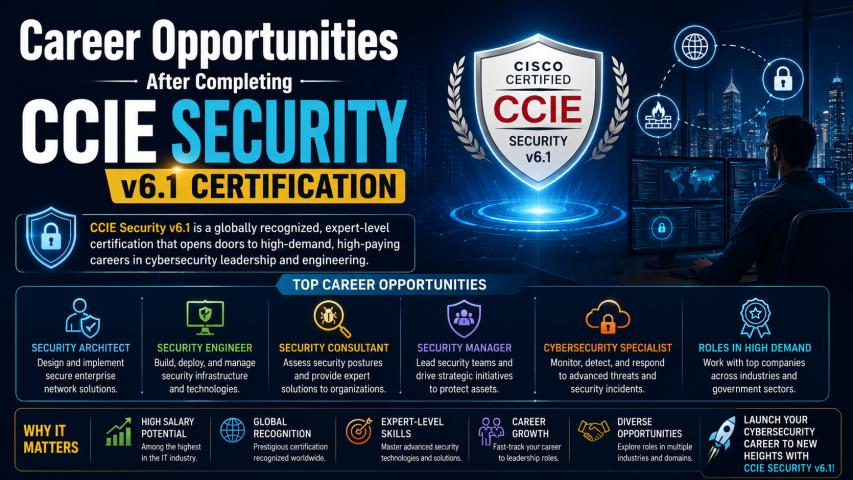
For networking professionals seeking long-term career growth, CCIE Data Center certification remains a valuable investment in 2026. The certification equips candidates with advanced expertise in enterprise networking, virtualization, automation, Cisco ACI, storage networking, and modern data center technologies. As organizations continue adopting hybrid cloud infrastructures and automated operations, the demand for professionals with expert-level skills is expected to remain strong. Whether your goal is to become a Data Center Architect, Infrastructure Consultant, Cloud Engineer, or Technical Lead, earning this certification can significantly enhance your professional credibility and career opportunities. Enrolling in CCIE Data Center Training provides the practical experience, hands-on lab exposure, and technical knowledge required to confidently pursue certification and succeed in today's rapidly evolving enterprise IT landscape.