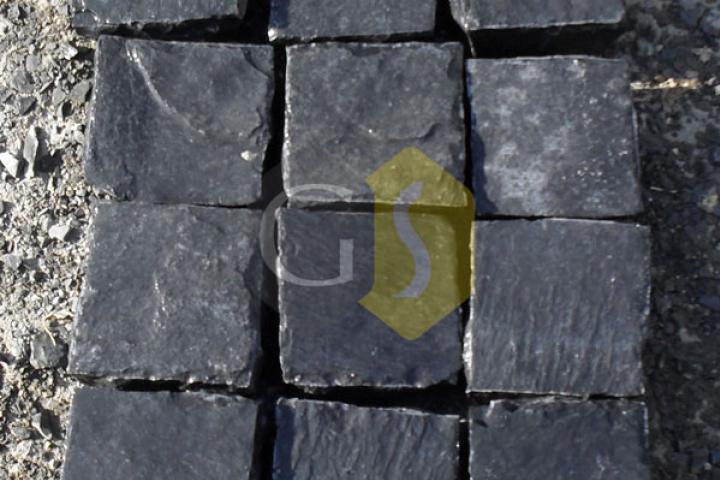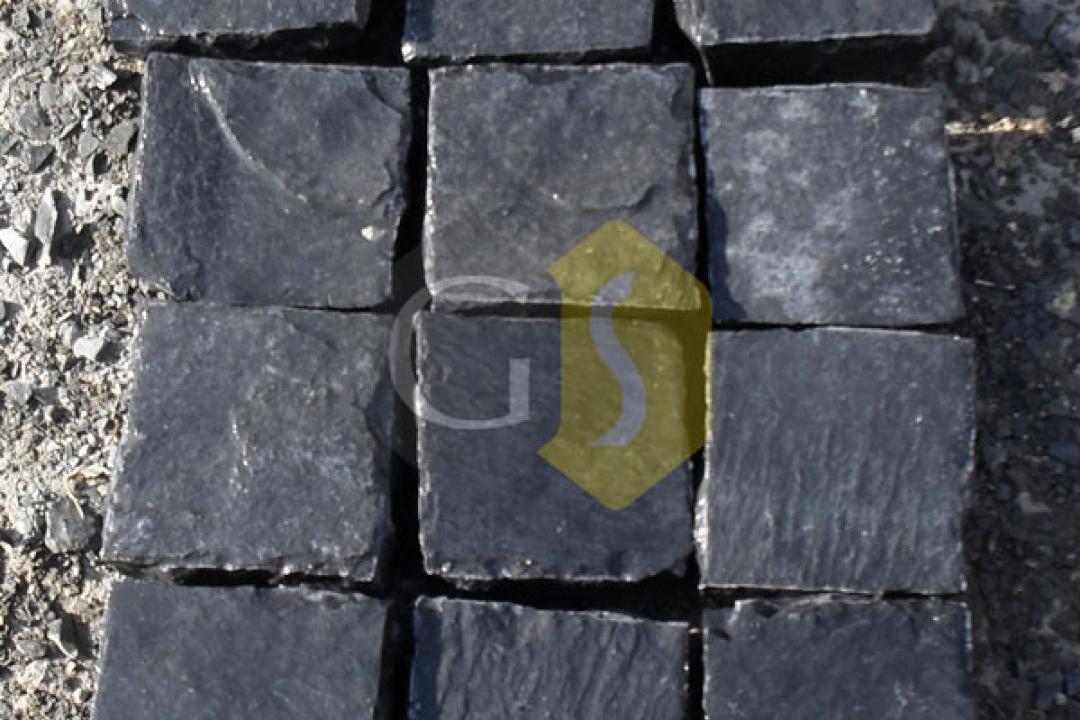
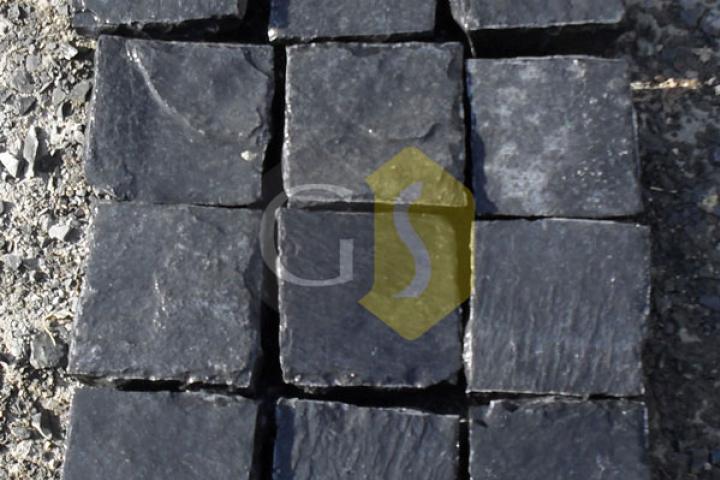
Natural stone cobbles are widely used for creating durable, attractive, and distinctive outdoor spaces. Their compact size, strong structure, and natural texture make them suitable for driveways, pathways, patios, courtyards, gardens, entrances, and commercial landscapes. A dependable cobbles supplier provides different types of cobblestones in various colours, finishes, sizes, and materials to meet specific construction and landscaping requirements.
Cobbles can add a traditional, rustic, or contemporary look depending on the stone variety and laying pattern. Their long-lasting performance and natural appeal make them a preferred paving material for residential, commercial, and public projects.
Understanding Natural Stone Cobbles
Natural stone cobbles are small blocks prepared from sandstone, granite, limestone, quartzite, basalt, and other durable stones. They are generally thicker than standard tiles or paving slabs, allowing them to perform well in areas exposed to foot traffic and vehicle movement.
Cobbles may be square, rectangular, circular, or irregular in shape. Their surfaces can be natural, tumbled, hand-cut, machine-cut, split, or sawn. The choice of shape and finish depends on the desired appearance and the intended use of the paved area.
A professional cobbles supplier can help buyers select suitable products based on load requirements, weather conditions, design preferences, and installation methods.
Different Types of Cobbles
Sandstone cobbles are popular because of their natural texture and warm colour options. They are available in shades such as brown, beige, grey, red, yellow, and multicolour. These cobbles are commonly used in gardens, courtyards, walkways, and residential driveways.
Granite cobbles are known for their strength and resistance to heavy use. They are often selected for roads, parking spaces, commercial entrances, and high-traffic public areas.
Limestone cobbles provide a subtle and elegant appearance, while basalt cobbles are preferred for their dark colour and contemporary look. Tumbled cobbles have softer edges and an aged finish, making them ideal for heritage->
Uses of Cobbles in Landscaping
Cobbles can be used in many creative ways. They are frequently installed for garden pathways, driveways, patios, courtyards, pool surroundings, and building entrances.
Landscape designers use cobbles to create decorative borders around lawns, flower beds, trees, fountains, and larger paving slabs. Their small dimensions allow them to be arranged in curved layouts, circular designs, geometric patterns, and contrasting colour combinations.
Cobbles are also used in hotels, resorts, farmhouses, restaurants, parks, shopping areas, and commercial properties. They help create an inviting outdoor environment while offering a reliable walking or driving surface.
Advantages of Choosing Stone Cobbles
Natural stone cobbles are valued for their durability. When installed over a properly prepared base, they can withstand changing weather conditions, moisture, regular movement, and heavy loads.
Their textured surface offers better grip, which is beneficial for outdoor areas exposed to rain. Cobbles can also be removed and replaced individually if repairs are required, reducing the need to disturb the complete paved surface.
Another benefit is their timeless appearance. Unlike many manufactured materials, natural stone develops character with age. Its natural variations in shade and texture create a unique design in every installation.
Customisation Options from a Cobbles Supplier
An experienced cobbles supplier may offer customised products based on project specifications. Buyers can select dimensions, thickness, stone type, surface finish, edge treatment, colour range, and packing >
Custom cobbles are helpful for architectural projects where specific patterns, curves, borders, or design themes are required. Suppliers can also provide mixed-size or mixed-colour cobbles for creating distinctive paving layouts.
Before placing a large order, buyers should request samples to check the actual colour, texture, dimensions, and finish.
Quality Inspection and Packaging
Quality control is important when purchasing natural stone cobbles. The supplier should inspect products for cracks, weak edges, incorrect sizing, uneven thickness, and major surface defects.
Cobbles are generally packed in wooden crates, strong bags, metal cages, or pallets. Proper strapping and labelling help keep the products secure during transportation. Good packaging also simplifies unloading, storage, and handling at the project site.
Frequently Asked Questions
What materials are used for making cobbles?
Cobbles are commonly made from sandstone, granite, limestone, quartzite, and basalt.
Can cobbles be used for heavy-traffic areas?
Yes, strong and properly installed cobbles can be used for driveways, parking areas, roads, and commercial entrances.
Are cobbles suitable for garden landscaping?
Yes, they are ideal for garden pathways, flower-bed borders, tree surrounds, patios, and decorative landscape patterns.
What finishes are available in cobbles?
Common finishes include natural, hand-cut, machine-cut, tumbled, sawn, and split surfaces.
Can a cobbles supplier provide customised sizes?
Yes, many suppliers offer customised dimensions, thicknesses, shapes, colours, and finishes according to project requirements.
Do cobbles need sealing?
Sealing is optional but may help protect the stone from stains, moisture, and colour changes, especially in frequently used areas.
Conclusion
Natural stone cobbles are a practical and visually appealing option for outdoor paving and landscaping. They provide durability, grip, design flexibility, and long-term performance for residential, commercial, and public spaces.
By selecting an experienced cobbles supplier, buyers can receive quality-checked cobbles in suitable materials, dimensions, finishes, and colours. Professionally processed and securely packed cobbles can help create outdoor surfaces that remain functional and attractive for many years.