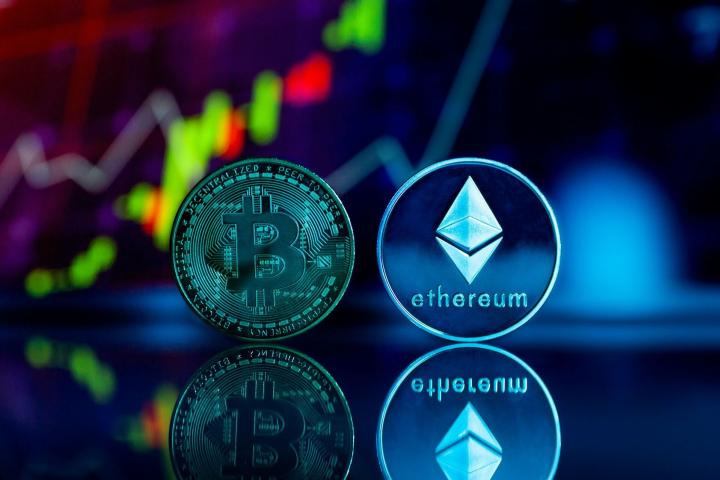
Software as a Service (SaaS) has transformed how businesses deliver applications, while Web3 is redefining digital ownership, decentralized governance, and value exchange. As these two worlds increasingly converge, token development is emerging as a powerful way for businesses to enhance user engagement, unlock new revenue models, and build thriving digital ecosystems.
For SaaS providers, tokens can go beyond simple payments by enabling loyalty programs, premium feature access, community governance, and referral incentives. For Web3 businesses, tokens form the foundation of decentralized applications (dApps), decentralized finance (DeFi), gaming ecosystems, NFT marketplaces, and decentralized autonomous organizations (DAOs).
This article explores how token development benefits SaaS and Web3 businesses, common use cases, architectural considerations, and best practices for building secure and scalable token ecosystems.
What Is Token Development?
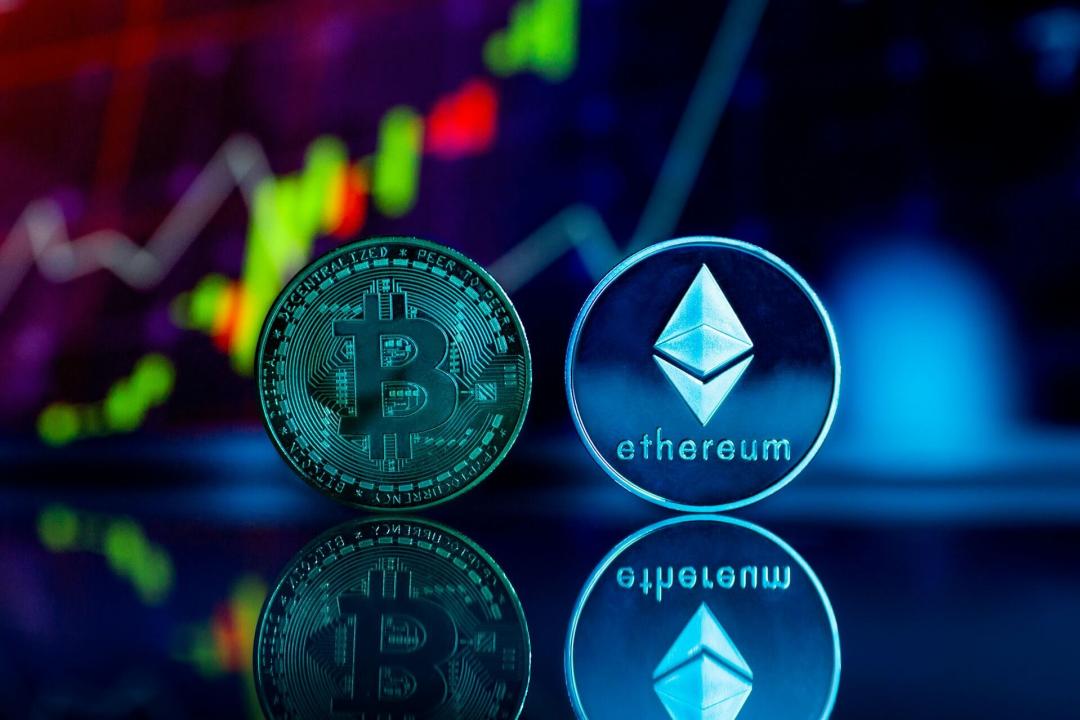
Token development is the process of creating blockchain-based digital assets using smart contracts. These tokens can represent utility, governance rights, rewards, digital ownership, or financial assets within an ecosystem.
Unlike cryptocurrencies that operate on their own blockchain, tokens are typically built on existing blockchain networks such as:
- Ethereum
- BNB Chain
- Polygon
- Solana
- Avalanche
- Base
- Arbitrum
- Optimism
Each blockchain offers different advantages in terms of scalability, transaction fees, ecosystem maturity, and developer tools.
Why SaaS Businesses Are Exploring Tokens
Traditional SaaS platforms generally rely on recurring subscription models. While effective, these models often provide limited opportunities for deeper customer engagement.
Blockchain tokens introduce programmable incentives that encourage long-term participation.
Some key benefits include:
- Customer loyalty programs
- Referral rewards
- Premium feature access
- Community governance
- Partner incentives
- Digital memberships
- Usage-based rewards
- Cross-platform interoperability
Instead of simply purchasing software access, users become active participants in the platform's ecosystem.
Token Use Cases for SaaS Platforms
Subscription Payments
Many SaaS companies now accept blockchain-based payments through utility tokens or stablecoins.
Benefits include:
- Faster settlements
- Lower transaction costs
- Global accessibility
- Reduced payment friction
Customer Loyalty Programs
Instead of issuing traditional reward points, SaaS businesses can distribute blockchain tokens that users truly own.
These tokens may be redeemed for:
- Premium subscriptions
- Additional storage
- API credits
- Marketplace discounts
- Exclusive services
Unlike conventional loyalty points, blockchain tokens can often be transferred or integrated into broader ecosystems.
Referral Incentives
Customer acquisition remains one of the largest expenses for SaaS businesses.
Rewarding referrals with utility tokens creates stronger incentives while building long-term engagement.
Feature Access
Tokens can unlock premium functionality without requiring multiple subscription tiers.
Examples include:
- AI-powered features
- Advanced analytics
- Higher API limits
- Enterprise dashboards
- Early access to new products
Community Governance
Growing SaaS communities increasingly value transparency.
Governance tokens allow customers to vote on:
- Feature priorities
- Product roadmap
- Community initiatives
- Ecosystem partnerships
This approach encourages greater user participation and trust.
Token Development in Web3 Businesses
For Web3 companies, tokens are often central to the platform rather than an additional feature.
They enable decentralized ownership and create economic incentives that encourage ecosystem growth.
Common applications include:
Decentralized Finance (DeFi)
Tokens facilitate:
- Lending
- Borrowing
- Yield farming
- Liquidity mining
- Staking
- Governance
Blockchain Gaming
Game ecosystems use tokens for:
- In-game currencies
- Player rewards
- Marketplace purchases
- Character upgrades
- Tournament prizes
NFT Platforms
Tokens simplify transactions involving:
- NFT minting
- Creator royalties
- Marketplace trading
- Community incentives
DAOs
Governance tokens allow decentralized communities to make collective decisions regarding treasury management, protocol upgrades, and ecosystem funding.
Tokenized Marketplaces
Digital marketplaces increasingly use tokens for:
- Transaction fees
- Seller rewards
- Buyer incentives
- Escrow mechanisms
- Reputation systems
Essential Features of a Business Token
A production-ready token should provide more than simple transfer functionality.
Common features include:
- Minting
- Burning
- Role-based access control
- Pausing capabilities
- Vesting mechanisms
- Staking support
- Governance integration
- Multi-signature administration
- Upgradeability (where appropriate)
- Smart contract audit readiness
These features improve flexibility while maintaining operational security.
Security Considerations
Blockchain applications handle real value, making security a top priority.
Projects should implement:
- Smart contract audits
- Multi-signature wallets
- Secure key management
- Role-based permissions
- Rate limiting
- Timelocks for administrative actions
- Continuous monitoring
- Vulnerability testing
Even minor smart contract vulnerabilities can lead to significant financial losses, so thorough testing before deployment is essential.
Tokenomics Matters
Technology alone does not determine the success of a token.
A sustainable token economy should define:
- Total supply
- Circulating supply
- Distribution model
- Vesting schedules
- Utility
- Incentive mechanisms
- Treasury allocation
- Community rewards
Poor tokenomics can undermine adoption, regardless of how well the technology is implemented.
Common Challenges
Businesses often encounter several challenges during token development:
- Selecting the right blockchain
- Designing sustainable tokenomics
- Managing regulatory considerations
- Protecting smart contracts from exploits
- Maintaining liquidity
- Scaling infrastructure
- Supporting multiple wallets
- Ensuring interoperability
Addressing these challenges early reduces long-term operational risks.
Best Practices
When developing a token for a SaaS or Web3 business, consider the following recommendations:
- Define clear business objectives before writing smart contracts.
- Design token utility around real user value.
- Build with audited smart contract libraries.
- Prioritize security throughout the development lifecycle.
- Plan for scalability from the beginning.
- Ensure wallet compatibility across major platforms.
- Consider multi-chain support where it adds value.
- Monitor token performance after launch.
- Regularly update documentation and security processes.
- Stay informed about evolving blockchain standards.
Final Thoughts
Token development is no longer limited to cryptocurrency projects. SaaS companies are using blockchain tokens to improve customer engagement, simplify digital payments, and create innovative business models, while Web3 businesses continue to rely on tokens as the foundation of decentralized ecosystems.
Whether you're building a cloud-based SaaS platform, a DeFi protocol, an NFT marketplace, or a blockchain-powered application, a well-designed token strategy can strengthen user participation and support long-term growth. Success depends on choosing the right blockchain, implementing secure smart contracts, designing sustainable tokenomics, and planning for future scalability.
If you're planning to build a production-ready token solution for your SaaS or Web3 business, partnering with an experienced Token Development Company like Softean can help you design secure smart contracts, implement scalable blockchain architecture, and accelerate your Web3 journey with confidence.