Owning a two-wheeler makes everyday
travel convenient, especially when navigating busy city roads and
short-distance commutes. However, riding a bike also comes with financial
risks, including accidents, third-party liabilities, theft, and damage caused by
natural or man-made events. This is where two-wheeler insurance becomes an
important part of responsible vehicle ownership.
With online insurance platforms,
buying a policy has become faster and more convenient. More importantly, riders
can compare coverage options, select suitable add-ons, and find a policy that
fits their budget without compromising essential protection.
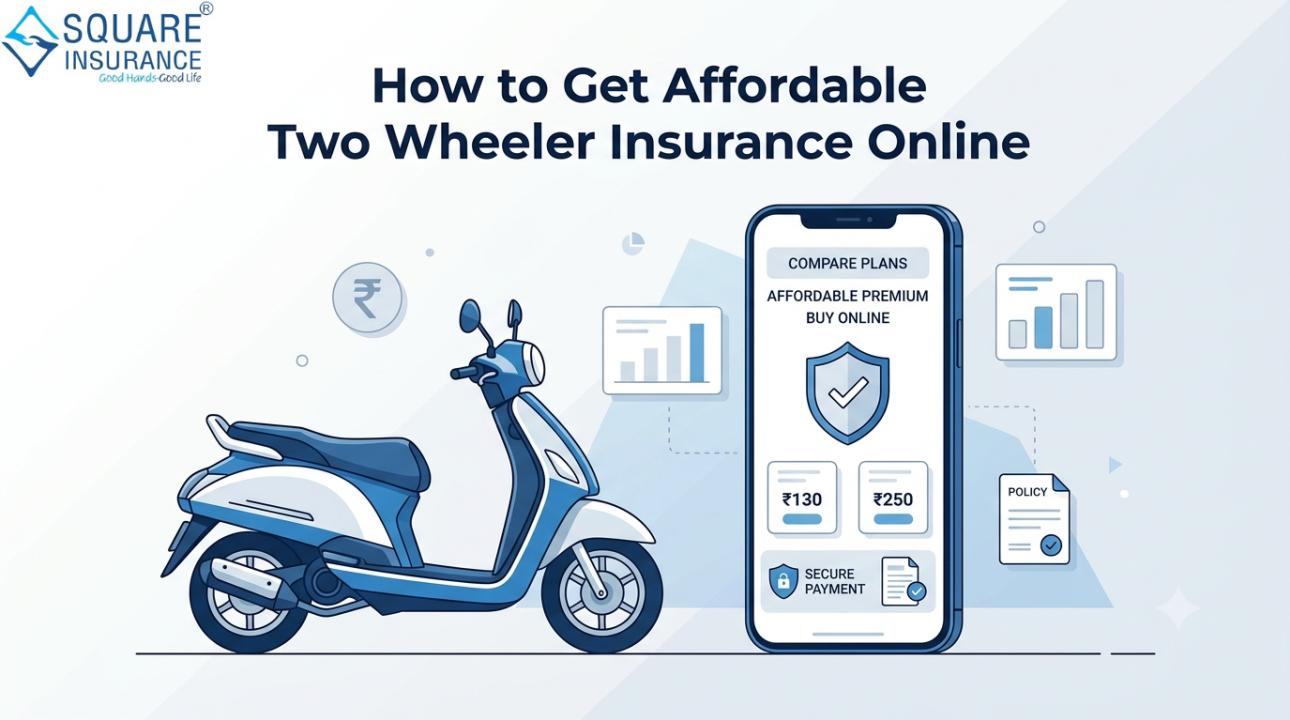
But how can you actually get affordable two-wheeler
insurance online? The answer is not simply choosing the policy
with the lowest premium. You need to understand your coverage requirements,
compare plans carefully, and consider the overall value offered by the policy.
What
Is Two-Wheeler Insurance?
Two-wheeler insurance is a contract
between the policyholder and the insurer that provides financial protection
against specified risks involving the insured bike or scooter. Depending on the
type of policy selected, coverage may include third-party liability, damage to
your own vehicle, theft, accidents, and other covered risks.
In India, third-party liability
insurance is mandatory for two-wheelers under applicable motor vehicle laws.
However, riders who want broader financial protection can consider
comprehensive two-wheeler insurance.
A comprehensive policy generally
combines third-party liability coverage with protection for the insured vehicle
against covered damages and losses.
Why
Buy Two-Wheeler Insurance Online?
Buying bike insurance online can
make the process simpler and more transparent. Instead of visiting an insurance
office or depending entirely on an intermediary, you can review available
coverage and policy features from your own device.
Some key advantages include:
- Convenience:
You can research and purchase a policy from anywhere.
- Easy comparison:
Online platforms make it easier to compare premiums, coverage,
deductibles, and add-ons.
- Faster purchase process: Digital policy issuance can reduce paperwork and
processing time.
- Policy accessibility:
Important policy information can be stored and accessed digitally.
- Renewal convenience:
Online renewal can help you avoid unnecessary delays and keep your policy
active.
However, convenience should not be
the only deciding factor. The policy's coverage, exclusions, claim process, and
terms should also be evaluated.
Steps
to Get Affordable Two-Wheeler Insurance Online
1.
Understand Your Insurance Requirement
Before looking for the cheapest
policy, determine what kind of protection you actually need.
If you are primarily looking to meet
the mandatory insurance requirement, third-party insurance may be sufficient
for that purpose. If you want protection for your own motorcycle or scooter as
well, a comprehensive policy may be more appropriate.
Your bike's age, usage, location,
value, and riding frequency can influence which type of cover makes sense.
2.
Compare Different Insurance Plans
Avoid selecting the first policy you
find. Compare multiple plans based on more than just the premium.
Look at:
- Coverage offered
- Policy exclusions
- Deductibles
- Insured Declared Value (IDV)
- Add-on availability
- Claim settlement process
- Cashless garage network, where applicable
- Policy terms and conditions
A slightly higher premium may
provide significantly better protection and value over the policy period.
3.
Select the Right IDV
For comprehensive insurance, the Insured
Declared Value (IDV) represents the approximate maximum amount payable for
the vehicle in situations such as total loss or theft, subject to policy terms.
Choosing an appropriate IDV is
important. A lower IDV may reduce the premium, but it can also affect the
potential claim amount in the event of a total loss. Therefore, reducing the
IDV solely to obtain a cheaper premium may not always be financially sensible.
4.
Choose Add-Ons Carefully
Add-ons can enhance the coverage of
a two-wheeler insurance policy, but selecting every available option can
unnecessarily increase your premium.
Depending on your insurer and
policy, available options may include covers such as zero depreciation,
roadside assistance, engine protection, consumables cover, or personal
accident-related protection.
The right approach is to select
add-ons based on your bike's age, usage, location, and personal requirements
rather than choosing them simply because they are available.
5.
Maintain a Good No Claim Bonus
If you have comprehensive insurance
and do not make eligible claims during a policy period, you may become eligible
for a No Claim Bonus (NCB), subject to the insurer's terms.
NCB can help reduce the premium at
renewal. Therefore, for minor expenses that you can comfortably manage
yourself, it may sometimes be worth evaluating whether making a claim is
financially beneficial.
Always check your policy terms
before deciding not to claim.
6.
Avoid Unnecessary Modifications
Vehicle modifications and
accessories can influence insurance terms and premiums. If you have made
modifications to your two-wheeler, disclose relevant details to the insurer as
required.
Keeping your policy information
accurate can help reduce complications during the claims process.
7.
Check Deductibles Before Buying
A deductible is the portion of a
covered claim that you may have to bear according to the policy terms.
Choosing a higher voluntary
deductible can sometimes reduce the premium. However, it also means you may
have to pay more from your own pocket when making an eligible claim.
Choose a deductible that you can
reasonably afford instead of selecting a high deductible solely to make the
premium cheaper.
8.
Look Beyond the Premium
The cheapest policy is not
necessarily the most affordable policy in the long run.
For example, a low-premium policy
with limited coverage and several exclusions may leave you with substantial
out-of-pocket expenses after an accident. On the other hand, a reasonably
priced policy with suitable coverage may provide better overall value.
When comparing policies, consider
the relationship between premium, coverage, exclusions, deductibles,
service, and claim support.
Factors
That Affect Two-Wheeler Insurance Premium
Several factors can influence how
much you pay for bike insurance. These may include:
- Type of insurance policy
- Make and model of the two-wheeler
- Age and engine capacity of the vehicle
- Insured Declared Value
- Location of registration
- Vehicle age
- Selected add-ons
- Deductible chosen
- Applicable No Claim Bonus
- Claim history
- Policy duration and applicable insurance terms
Understanding these factors can help
you make a more informed purchase decision.
Tips
to Save Money on Bike Insurance
Getting affordable insurance does
not mean sacrificing important coverage. You can potentially manage your
premium by comparing plans, selecting only relevant add-ons, maintaining a good
claim history, choosing an appropriate deductible, and renewing your policy on
time.
You should also provide accurate
information while purchasing or renewing your policy. Incorrect details may
create problems during policy servicing or claims.
Most importantly, read the policy
wording and understand exclusions before making a purchase. Knowing what is not
covered can be just as important as knowing what is covered.
What
Should You Check Before Buying Online?
Before paying the premium, review
the policy details carefully. Check the insured vehicle information, coverage
type, IDV, deductibles, add-ons, exclusions, policy duration, and other
applicable terms.
Also ensure that the personal and
vehicle information you provide is accurate. Once the policy is issued, keep a
digital or physical copy of the policy document for future reference.
Conclusion
Getting affordable two-wheeler insurance online is about finding the right
balance between price and protection. Instead of choosing a policy simply
because it has the lowest premium, evaluate the coverage, IDV, deductibles,
exclusions, add-ons, and overall policy benefits.
A thoughtful comparison can help you
choose insurance that fits both your riding requirements and budget. Square Insurance can also be
considered when exploring two-wheeler insurance options and selecting coverage
suited to your needs. Before purchasing, always review the applicable policy
terms, conditions, exclusions, and coverage details to make an informed
decision.
FAQs
1.
Is two-wheeler insurance mandatory in India?
Yes. Third-party liability insurance
is mandatory for two-wheelers under applicable Indian motor vehicle
regulations. Riders can consider comprehensive insurance when they also want
protection for their own vehicle.
2.
How can I get cheaper two-wheeler insurance?
You can potentially reduce your
premium by comparing policies, selecting relevant coverage, avoiding
unnecessary add-ons, maintaining an eligible No Claim Bonus, and choosing a
suitable deductible.
3.
Is online bike insurance safe to buy?
Buying insurance online can be
convenient, provided you use a legitimate insurance provider or authorised
platform and carefully verify the policy details before making payment.
4.
Should I choose the cheapest bike insurance policy?
Not necessarily. A low premium may
come with lower coverage or additional exclusions. Compare the complete policy
benefits rather than evaluating price alone.
5.
What is IDV in two-wheeler insurance?
IDV, or Insured Declared Value, is
the approximate value assigned to the insured vehicle for certain claim
situations such as theft or total loss, subject to the policy terms and
conditions.
6.
Can I buy comprehensive two-wheeler insurance online?
Yes, comprehensive two-wheeler
insurance can generally be purchased online. You should compare available
coverage and review the policy wording before completing the purchase.
7.
What are insurance add-ons?
Add-ons are optional covers that can
extend the protection provided by a base insurance policy. Their availability
and terms vary between insurance providers.