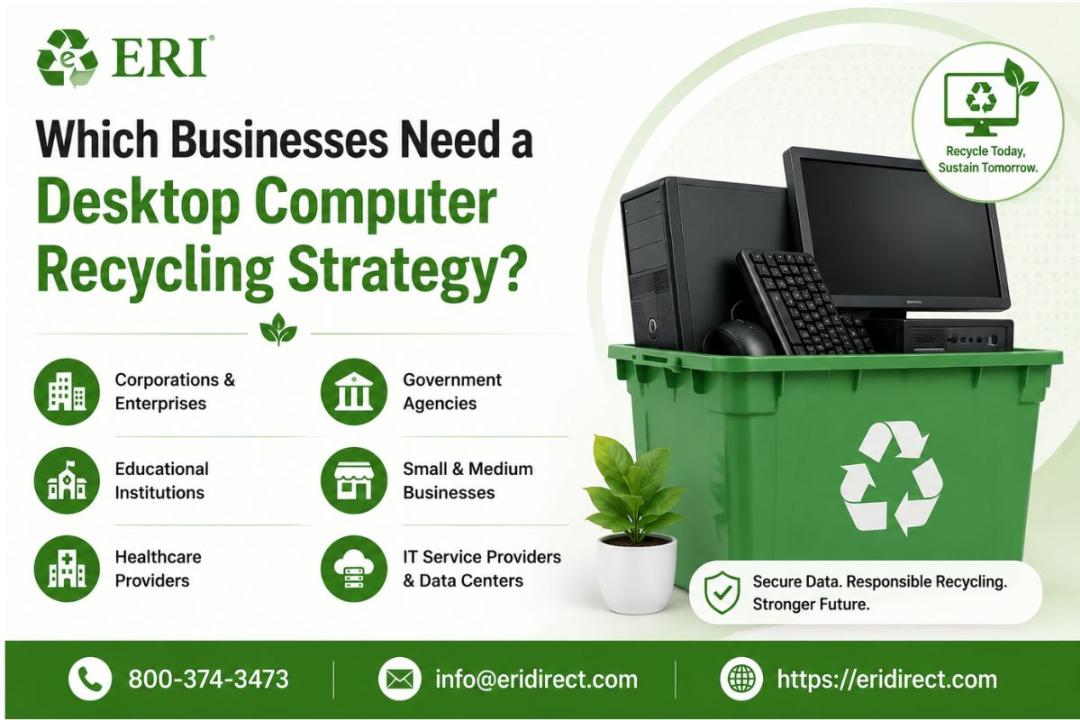
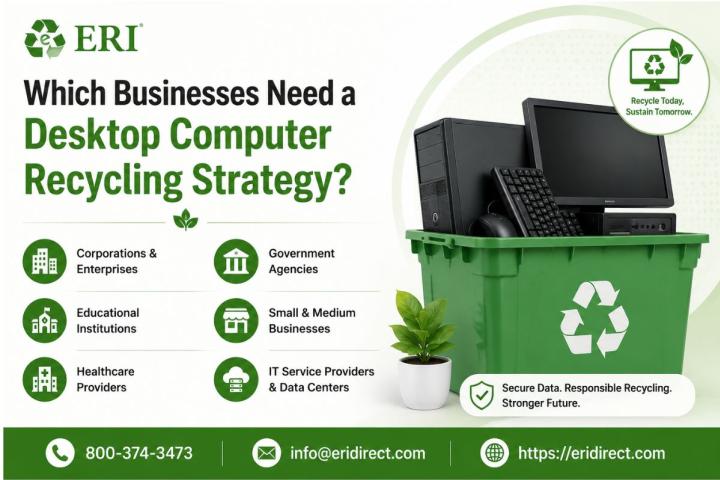
Old workplace computers can build up when businesses replace systems, upgrade equipment, move offices, or retire older devices. For this reason, desktop computer recycling gives businesses a clear way to manage retired equipment responsibly. Old computers may contain useful materials that can still support recovery and reuse. Moreover, discarded devices may hold sensitive information that requires careful handling before they leave the workplace.
Different businesses can face different technology needs, yet they still need a clear process for retired equipment. In some workplaces, keyboard recycling may also form part of a wider electronics disposal plan. A defined process can help teams manage equipment removal while keeping useful materials and information concerns in view. By reading further, you can learn which businesses may benefit from setting clear computer recycling practices.
Businesses That Benefit From a Desktop Computer Recycling Strategy
Some businesses handle retired computers often, while others face larger equipment changes during moves or workplace shifts. A clear process can make collection easier and help teams manage old devices before they become clutter. The following businesses may benefit most from a planned approach to retired workplace technology.
1. Businesses With Frequent Technology Upgrades
Businesses that replace computers often can quickly build up equipment that no longer fits current needs. A steady recycling process helps teams move retired devices out without letting old equipment pile up. Moreover, desktop computer recycling can give these businesses a clear path for handling replaced computers.
2. Offices Managing Large Technology Inventories
Offices with many workstations need a clear way to track equipment that reaches the end of its use. Organized collection helps teams know which devices need removal, storage, or further processing. This also makes it easier to manage older computers across different work areas.
3. Companies Relocating or Consolidating Offices
Office moves can leave businesses with computers and equipment that no longer fit their new setup. Consolidating workspaces can also create extra devices that teams no longer need. So, a planned process can help workers sort, collect, and move unwanted equipment in order.
4. Businesses With Remote or Hybrid Workforces
Remote work can leave businesses managing computers returned by employees after role or equipment changes. Some devices may also become outdated when teams adopt new work methods. Meanwhile, keyboard recycling can form part of a wider process for handling returned equipment.
5. Organizations Handling Sensitive Information
Businesses may store customer, employee, financial, or internal data on computers before those devices reach retirement. These teams need to consider information security before sending equipment for recycling. Clear steps can help protect stored data while workers prepare devices for their next stage.
6. Businesses Seeking More Organized E-Waste Management
A defined process can help businesses separate computers from displays, keyboards, and other electronic equipment. This makes it easier for employees to identify different waste types before collection begins. Furthermore, clear procedures help teams manage retired devices without treating every electronic item the same way.
What Should a Desktop Computer Recycling Strategy Include?
A clear recycling plan should cover retired equipment from the first review through collection, data handling, and final processing. Teams should sort devices by type and identify equipment that may hold sensitive information before removal. For example, computer monitor recycling can follow a separate path while other equipment moves through its own process. Moreover, clear staff steps and records can prevent old technology from becoming an unmanaged pile in storage areas.
Protecting Data While Retiring Desktop Equipment
Retiring computers requires more than moving old hardware away. Teams should identify stored data before equipment leaves their control. These steps help protect information during recycling.
1. Identifying Equipment That Contains Sensitive Data
Businesses should identify computers and drives containing customer, employee, or business information. This shows which equipment needs extra care. Moreover, desktop computer recycling should begin after teams identify sensitive devices.
2. Separating Data Destruction From Hardware Recycling
Recycling removes physical parts, but it doesn't remove stored information. Data destruction should remain a separate step. This ensures teams address stored data before recycling.
3. Handling Hard Drives Before Disposal
Hard drives may retain private information after computers stop working. Teams should address that data before hard drive disposal. This keeps sensitive information out of the recycling stream.
Frequently Asked Questions (FAQs)
1. When should a business start planning for retired computers?
Businesses should plan before equipment reaches the end of its use, so teams have clear steps ready when devices become outdated.
2. What should employees do with computers they no longer need?
Employees should follow the workplace process for retired equipment, rather than storing unwanted devices in desks, closets, or shared areas.
3. Can businesses handle computers and accessories through the same process?
Businesses can use one overall plan, while sorting computers, displays, keyboards, and other equipment into suitable waste streams.
Turning Retired Technology Into an Organized Process
A clear desktop computer recycling strategy should account for both retired equipment and the information stored on it. Teams can begin by identifying devices that no longer serve current work needs. They should also separate computers, displays, keyboards, and other electronics before collection begins. Moreover, sensitive data needs attention before any device leaves the workplace. Clear internal steps can help employees know what to store, recycle, or handle separately. With a defined process, businesses can keep retired technology from becoming an unmanaged pile.