The ride-hailing industry in the USA continues to create opportunities for entrepreneurs who want to launch convenient and technology-driven transportation services. Starting from scratch, however, can require significant time, development resources, and investment. A Lyft clone can provide a ready-made foundation that helps entrepreneurs enter the ride-hailing market with essential features already built into the platform.
Understand the US Ride-Hailing Market
Before launching your business, research your target market carefully. Different US cities can have different transportation needs, customer expectations, and regulations. Analyze existing ride-hailing apps, local competitors, driver availability, pricing models, and popular ride categories.
Choosing a specific location or customer segment can also help you develop a focused launch strategy rather than trying to serve the entire country immediately.
Choose the Right Lyft Clone Solution
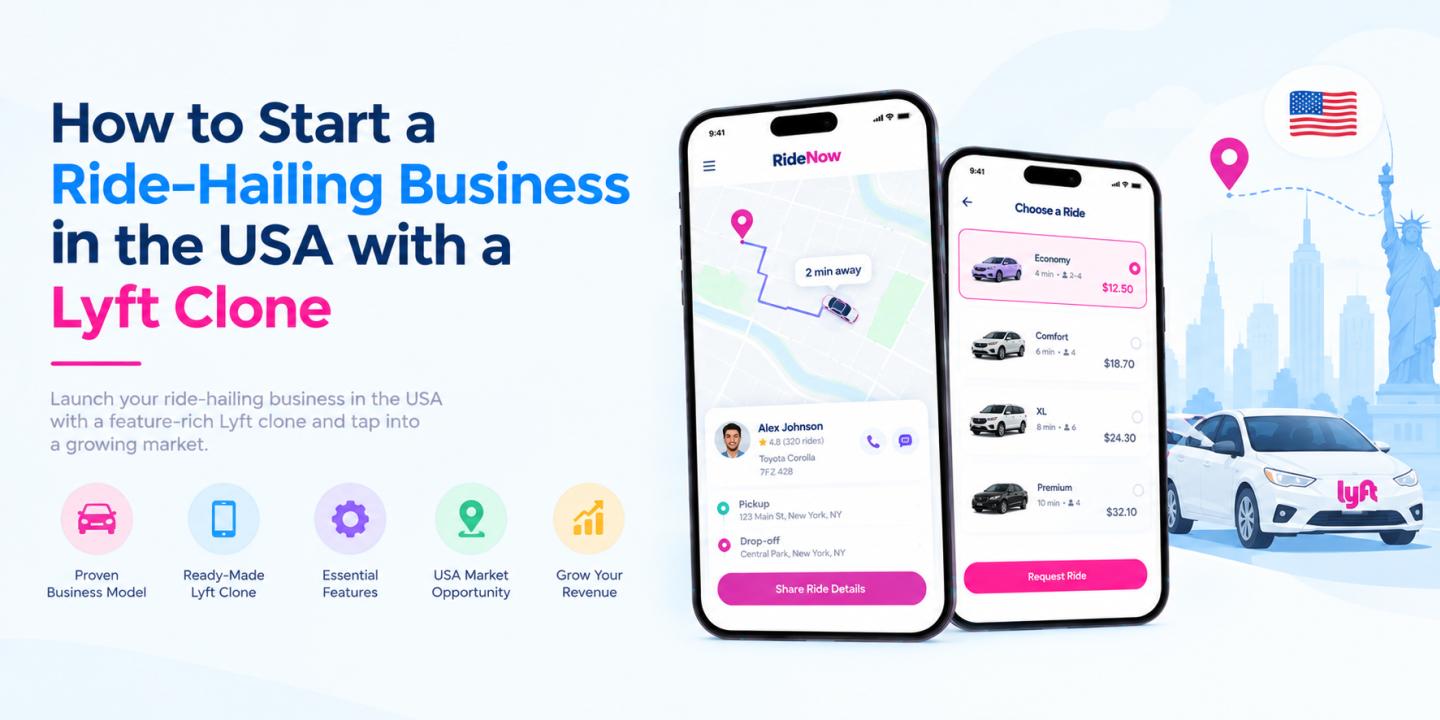
A Lyft clone app typically includes separate interfaces for riders, drivers, and administrators. Look for a solution that can be customized according to your brand and business requirements.
Important features may include:
- User registration and profile management
- Real-time GPS tracking
- Ride booking and scheduling
- Driver-rider matching
- Multiple payment options
- Fare calculation
- Push notifications
- Ratings and reviews
- Driver earnings management
- Admin dashboard
A customizable platform allows you to add or modify features as your business grows.
Focus on Local Regulations
Operating a ride-hailing business in the USA requires attention to local and state-level requirements. Depending on your operating location, you may need to address business licensing, commercial insurance, driver screening, vehicle requirements, taxes, and transportation regulations.
Requirements can vary considerably between jurisdictions, so consult qualified local legal and regulatory professionals before launching your service.
Develop a Strong Revenue Model
Your revenue strategy should be planned before the app goes live. A common approach is charging a commission on completed rides. You can also explore booking fees, surge pricing where legally and commercially appropriate, subscription plans, corporate transportation services, or premium ride categories.
The right ride-hailing business model will depend on your target customers, operating costs, competition, and location.
Build Your Driver Network
Drivers are essential to the success of any ride-hailing platform. Create a straightforward onboarding process and clearly communicate your earnings structure, requirements, and support options.
Your app should make it easy for drivers to accept rides, navigate to pickup locations, track earnings, and manage their availability.
Launch, Test, and Scale
Before a full-scale launch, conduct thorough testing of your Lyft clone app development solution. Check booking, payments, GPS tracking, notifications, driver matching, and administrative functions across different devices.
Consider starting in one city or a defined service area. Monitor customer feedback, ride demand, driver activity, and operational costs. Once the platform gains traction, you can gradually expand into additional markets.
Final Thoughts
A Lyft clone app can help entrepreneurs enter the US ride-hailing market with a ready-made, customizable solution. Success depends on local market research, regulatory compliance, driver acquisition, and a strong user experience. With a scalable platform from SpotnRides, businesses can launch efficiently and expand their ride-hailing services as demand grows.