
On-demand apps have become an essential part of our daily lives, allowing us to access services quickly and conveniently. Whether it's ordering food, booking a taxi, or hiring a freelancer, on-demand apps are everywhere. But how do you go about developing one? In this guide, we'll break down the key steps involved in creating an on-demand app, and how partnering with a reliable mobile app development company can help bring your idea to life.
Step 1: Identify the Problem and Your Target Audience
The first step in developing any app is understanding the problem you're solving. What service will your app provide, and who will benefit from it? For example, if you're creating a food delivery app, the problem you're solving is how to get food delivered quickly and conveniently.
Also, define your target audience. Are they busy professionals, students, or families? Understanding your audience helps you design a user-friendly app that meets their needs.
Step 2: Conduct Market Research
Before you start building your app, it's important to research the market. Look at other on-demand apps in your niche and evaluate their strengths and weaknesses. This research will help you understand what works and what doesn't, and give you insights into user preferences.
Make sure to explore both the customer side (users who will use the service) and the service provider side (businesses or freelancers providing the service).
Step 3: Define Key Features
Once you've done your research, list the key features your on-demand app should have. While these features may vary depending on your app’s purpose, some common features include:
- User Profile: Allows customers to create and manage their profiles.
- Search and Filters: Helps users find services based on location, ratings, or price.
- Booking System: For users to schedule services or orders.
- Payment Integration: To handle payments securely within the app.
- Push Notifications: To keep users updated about their orders or bookings.
- Ratings and Reviews: For users to rate services and provide feedback.
You can always add more features later, but starting with the essentials is a good approach.
Step 4: Choose the Technology Stack
Choosing the right technology stack is crucial for the performance and scalability of your app. The technology stack includes the programming languages, frameworks, and tools you'll use to build both the front-end (user interface) and back-end (server-side operations) of the app.
For mobile apps, you can choose between:
- Native Development: Building separate apps for iOS and Android using Swift (for iOS) or Kotlin (for Android).
- Cross-Platform Development: Using frameworks like React Native or Flutter to build a single app for both iOS and Android.
On the back-end side, popular choices include Node.js, Ruby on Rails, or Python with Django.
Step 5: Design the User Interface (UI)
A clean, easy-to-navigate interface is key to an on-demand app’s success. Work on wireframes and prototypes for both the user interface (UI) and user experience (UX) design. The goal is to make the app visually appealing and simple to use.
Ensure that the design reflects your brand identity and offers an intuitive experience. The app should be easy to navigate with minimal steps to complete a task, such as booking a ride or making a payment.
Step 6: Develop the App
Now it's time to start building the app. Work closely with your development team to ensure the app meets your requirements and the chosen features are well implemented.
During the development phase, keep testing different parts of the app to ensure that everything works smoothly. This will help identify any bugs or issues that could affect the user experience later on.
Step 7: Integrate Payment Gateway
For an on-demand app, payment processing is a critical feature. You need to integrate a reliable and secure payment gateway. Popular options include PayPal, Stripe, or Razorpay. Ensure that the payment system is simple, secure, and supports different payment methods (credit/debit cards, mobile wallets, etc.).
Step 8: Testing and Debugging
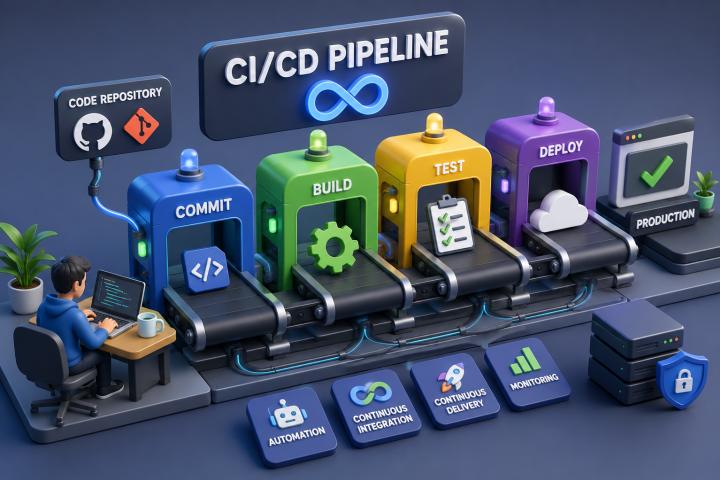
Before launching your app, conduct thorough testing. Perform both manual and automated tests to check for bugs, crashes, and performance issues. You can also run user acceptance testing (UAT) to ensure that the app meets the expectations of real users.
Test the app’s functionality on different devices to ensure compatibility and a smooth user experience across various screen sizes.
Step 9: Launch the App
Once testing is complete, it's time to launch the app. Publish it on the Google Play Store and Apple App Store. Make sure you have all the necessary documentation, such as a privacy policy and terms of service.
Promote your app to your target audience through digital marketing campaigns, social media, and partnerships.
Step 10: Post-Launch Support and Updates
After launching your app, the work doesn't stop there. Continuously monitor the app for any issues that users might encounter. Regular updates and bug fixes are essential to keep the app running smoothly.
Based on user feedback, you can also add new features and improvements to enhance the user experience.
Conclusion
Developing an on-demand app requires careful planning, strategic design, and a solid technical foundation to ensure a seamless user experience. By following the steps outlined in this guide, you can create an app that meets the needs of your target audience and stands out in a competitive market.
For businesses looking to bring their on-demand app idea to life, partnering with a reliable on-demand mobile app development company can make all the difference. With the right team of experts, you can ensure your app is built with the latest technology, offers a smooth user experience, and includes essential features that drive user engagement and satisfaction.