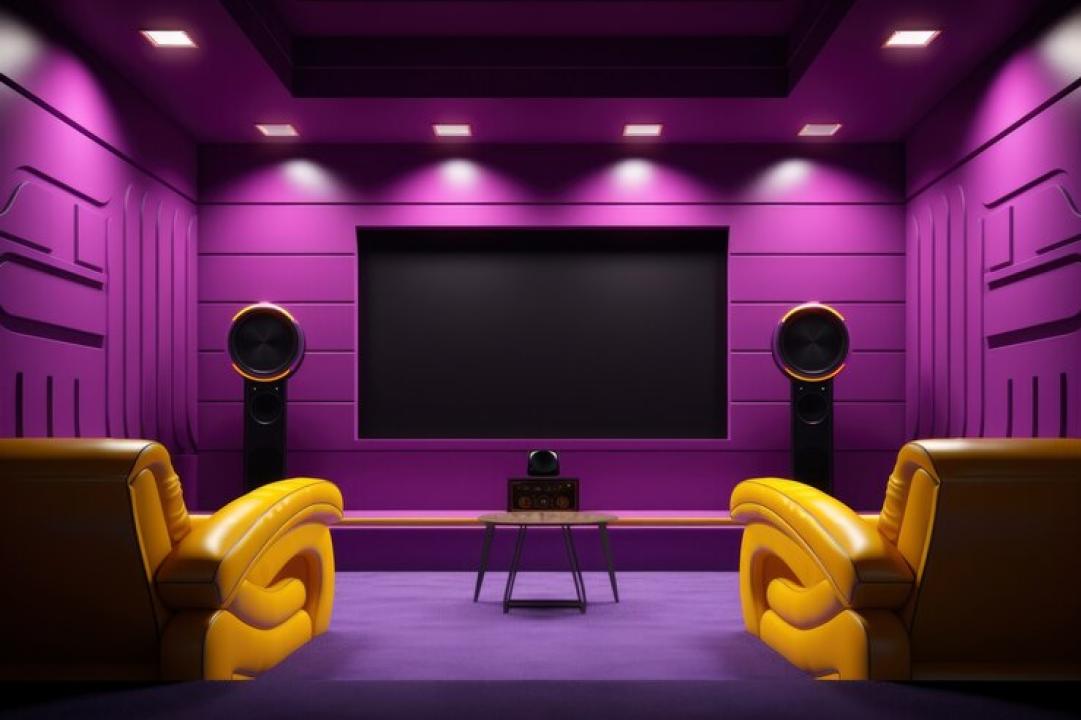

Creating an immersive experience in a home theater goes beyond just having a large screen and top-of-the-line speakers. A key element often overlooked is sound quality, which plays a significant role in bringing the cinematic experience to life. Room reverberations and echoes can distort the clarity of sound, making it difficult to fully enjoy the intricate sound designs in movies and music. To overcome this, home theater acoustic panels are an essential addition.
The Importance of Acoustic Panels in Home Theaters
Sound waves reflect off walls, floors, and ceilings, causing echoes that can muddle audio clarity. By strategically placing home theater acoustic panels, these sound reflections can be controlled, reducing reverberations. Panels ensure that sounds are more balanced and true to their source. Whether it's the intense rumble of a car chase or the subtle whispers in a quiet scene, acoustic treatment allows you to hear every detail with precision, creating a more engaging and realistic soundscape.
Various Acoustic Panel Options for Home Theaters
When it comes to acoustic panels, one size doesn’t fit all. Different materials and designs offer unique advantages, depending on your sound treatment needs. Here’s an overview of the common types of acoustic materials used in home theaters:
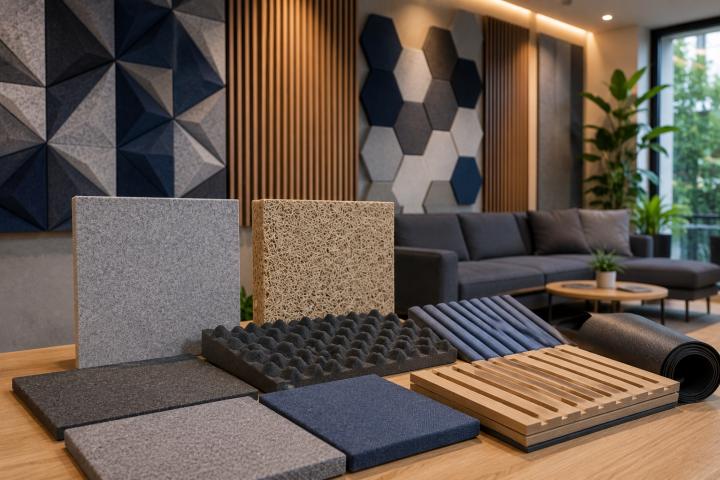
Fiberglass Panels: Renowned for their excellent sound-absorbing properties, fiberglass is a go-to material. It effectively controls mid- and high-frequency sounds, improving dialogue clarity in films.
Foam Panels: These are affordable, easy to install, and highly effective. Available in a range of textures and thicknesses, foam panels allow for custom sound absorption, making them a great choice for home theaters on a budget.
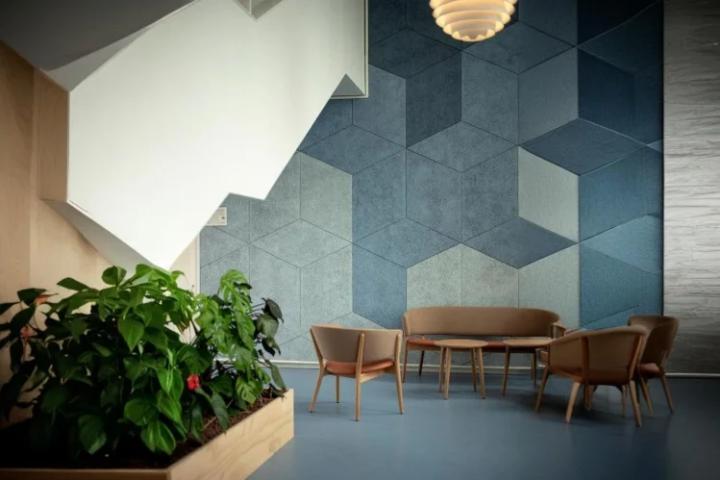
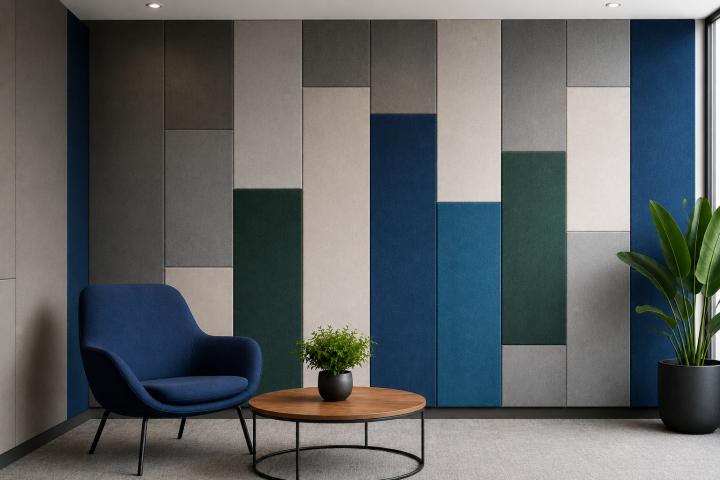
Fabric-Wrapped Panels: These combine functionality with aesthetics. Covered in fabric, they not only absorb sound but also seamlessly blend into your home theater decor, adding a stylish touch to your space.
Selecting the Right Acoustic Materials
The effectiveness of your acoustic treatment depends largely on the materials used in your panels. There are two primary types of acoustic materials to consider:
Absorptive Materials: Fiberglass, foam, and mineral wool are some of the most common absorptive materials, perfect for home theater acoustic panels where controlling reflections is crucial for clarity in dialogues and sound effects.
Diffusive Materials: Unlike absorptive materials, diffusers scatter sound waves, creating a well-rounded sound environment. These materials are often found in studio acoustic panels and can be beneficial in both home theaters and professional recording studios.
How to Position Acoustic Panels for Optimal Effect
Correct placement of acoustic panels is crucial for achieving the best possible sound quality. Simply placing them haphazardly won’t give you the desired results. Here's how to position your home theater acoustic panels effectively:
Side Walls: Installing panels on the side walls reduces unwanted reflections and enhances the clarity of sound, especially from the main speakers.
Rear Wall: To address bass response and prevent unwanted echoes, it’s important to install panels on the rear wall.
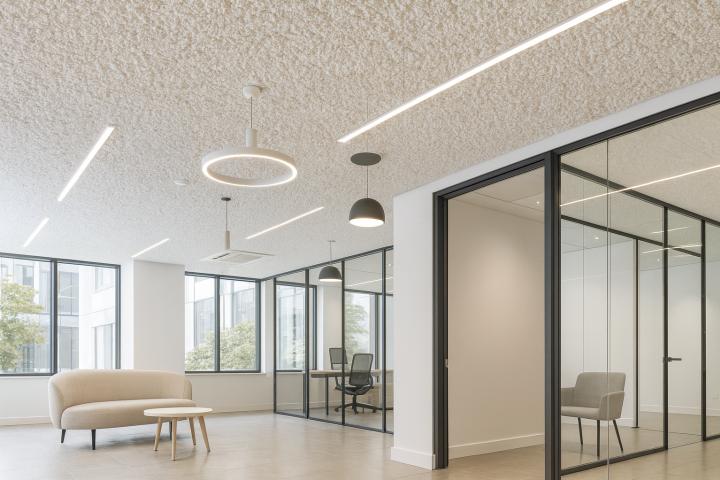
Ceiling: Placing panels on the ceiling above the viewing area controls vertical sound reflections, allowing for a more accurate listening experience.
Comparing Home Theater Acoustic Panels and Studio Acoustic Panels
Though both home theater acoustic panels and studio acoustic panels enhance sound quality, they serve distinct purposes suited to their environments. Studio acoustic panels are designed to create a neutral and precise sound, which is vital for music recording and production.
On the other hand, home theater acoustic panels focus on delivering a cinematic experience. The goal here is to enhance clarity and reduce echoes while preserving the liveliness of the sound.
The Benefits of Acoustic Panels in Home Theaters
Installing acoustic panels in your home theater brings numerous advantages:
Improved Sound Clarity: With acoustic materials in place, you’ll experience clearer dialogue and better overall sound quality.
Reduced Echo and Reverberation: By minimizing sound reflections, home theater acoustic panels help reduce unwanted echoes.
Enhanced Comfort: With improved sound control, you can enjoy movies at higher volumes without disturbing others in the house.
Aesthetic Value: Many acoustic panels come in a variety of >
DIY Tips for Installing Acoustic Panels
If you’re into DIY projects, installing acoustic panels yourself can be an enjoyable and rewarding task. Here are some tips to get you started:
Calculate the Number of Panels Needed: Depending on the size of your room and the level of sound control you want, aim to cover about 20-30% of the wall space with panels.
Use the Mirror Trick: While sitting in your usual viewing spot, have someone move a mirror along the walls. Wherever you can see the reflection of your speakers, place acoustic panels there to optimize sound quality.
Leave Space Between the Panel and Wall: Mounting panels with a small air gap from the wall increases their effectiveness in absorbing low-frequency sounds.
Experiment with Placement: Sound is subjective, so feel free to experiment with different panel placements and materials to find what works best for your space.
Conclusion
Integrating acoustic panels into your home theater is an excellent way to elevate the overall sound experience. By using the right acoustic materials and strategically positioning them, you can reduce unwanted noise reflections, improve clarity, and create a more immersive and enjoyable environment for watching movies or listening to music. Whether for studio acoustic panels or home theater acoustic panels, the quality of sound matters, and with the right materials and installation, you can ensure that your home theater provides the best audio experience possible.