In the world of architectural interiors, the perforated metal ceiling has become a dominant force, celebrated for its unique fusion of aesthetic appeal and hardworking performance. When selecting a metal ceiling system, one of the most critical decisions revolves around the size of the perforations: micro or macro. This is not merely a stylistic choice; it is a functional one that fundamentally shapes the character and capability of your space.
So, when comparing a micro-perforated metal ceiling perforated panel to its macro-perforated counterpart, which one emerges as the superior option? The truth is, the answer is not a simple declaration of one being universally "better." The optimal choice depends entirely on the project's specific goals for acoustics, aesthetics, and visibility.
The Fundamental Divide: A Matter of Scale and Sight
The core difference lies in the size and visual impact of the holes.
Micro-Perforated
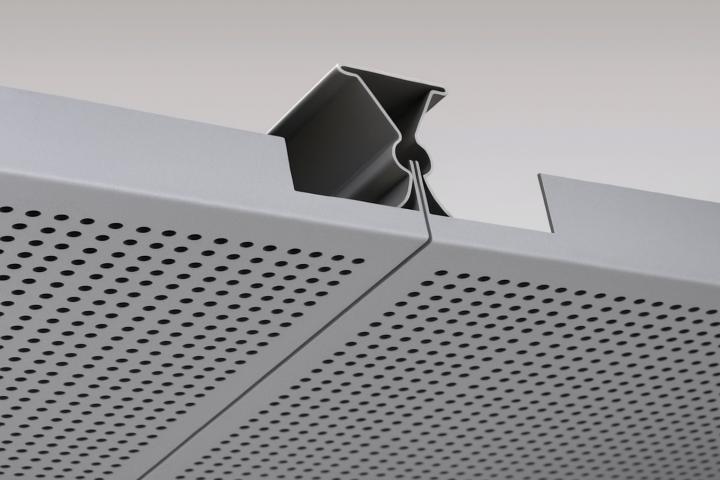
This type features extremely small holes, typically less than 1-2 millimeters in diameter. From a standard viewing distance, these tiny perforations create a subtle, uniform texture. The surface often appears as a solid, finely textured plane unless inspected closely. This makes a micro-perforated metal ceiling an excellent choice for spaces demanding a sleek, minimalist look where the functional elements above the ceiling need to be concealed.
Macro-Perforated
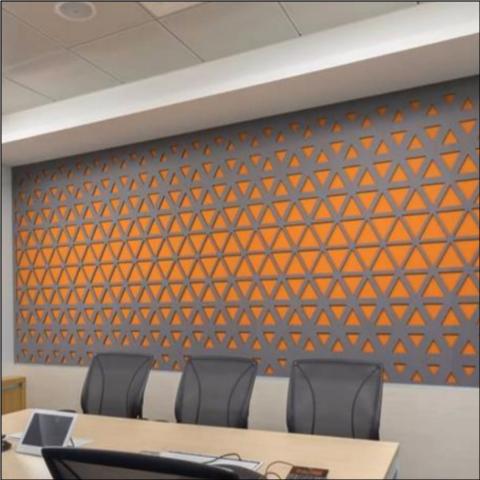
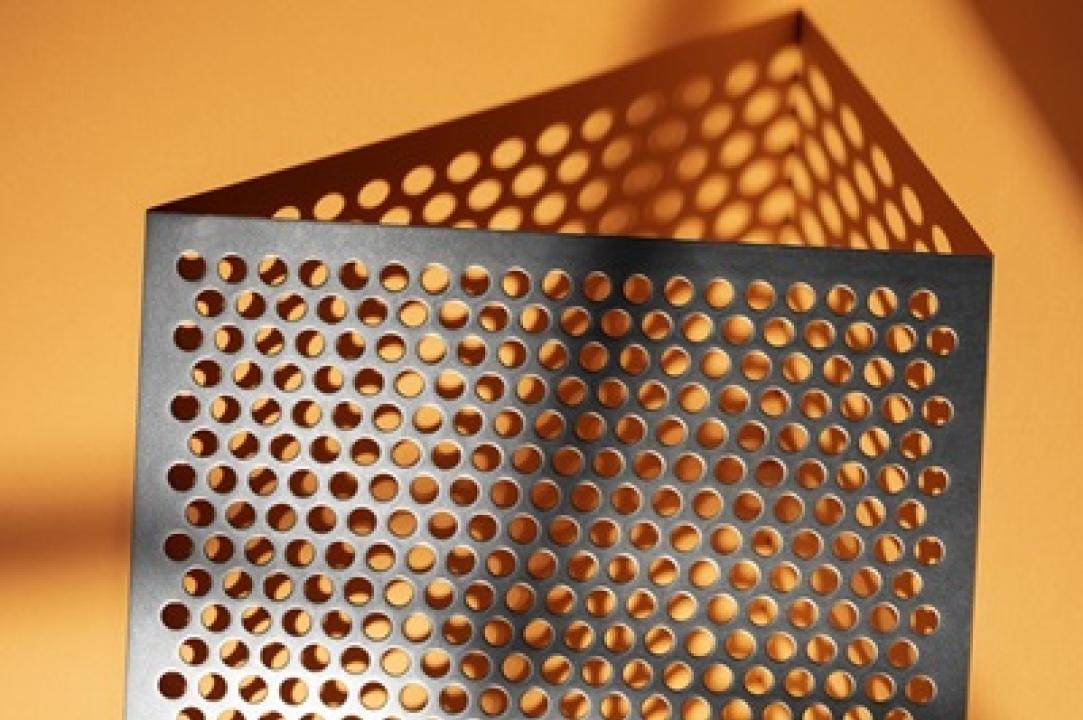
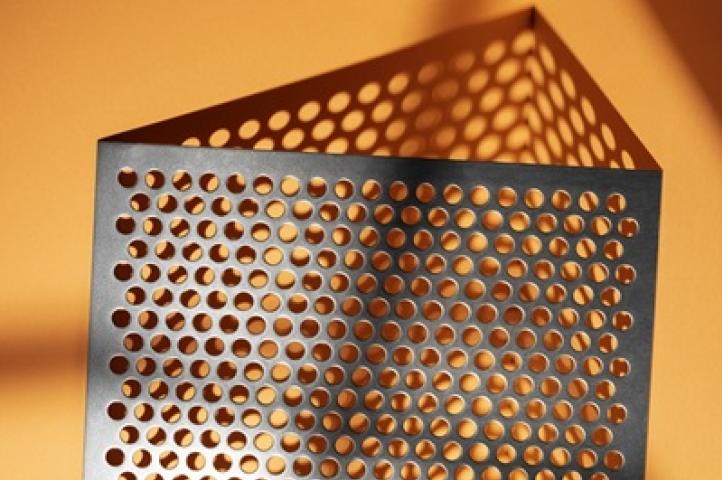
As the name implies, macro-perforations are significantly larger. The holes can be various shapes and sizes, from circles several millimeters wide to custom geometric patterns. A macro-metal ceiling perforated panel is visually bold and pattern-forward. The openings are a dominant design feature, creating rhythm and visual interest that defines the space.
A Peek into Sound Absorption
This is where the distinction moves from visual to practical. Both types manage sound, but they do so in different ways.
A micro-perforated metal ceiling is an acoustic absorber. The tiny holes are engineered to trap sound waves. As noise passes through these minute openings, it enters a cavity (often filled with sound-absorbing infill like mineral wool) where acoustic energy is converted into negligible heat energy through friction.
This process effectively reduces reverberation and echo within the room itself. For environments where speech privacy and noise control are paramount, such as open-plan offices, conference rooms, libraries, or hospitals, a micro-perforated system is the undisputed technical champion.
A macro-perforated metal ceiling, with its larger openings, functions primarily as an acoustic attenuator. It is less about absorbing sound within the room and more about managing the transfer of sound and allowing the free passage of air and light. Its high Open Area Percentage (OAP) does not provide the same level of in-room noise reduction.
However, when combined with a thick, sound-absorbing infill in the plenum, it can be very effective at preventing sound from traveling between spaces. Its primary acoustic role is often in large, open areas where some sound dampening is needed, but the main goal is to integrate with HVAC systems for air return, a feature known as an acoustic raft.
Aesthetic Impact and Visual Integration
The choice between micro and macro significantly influences the design narrative.
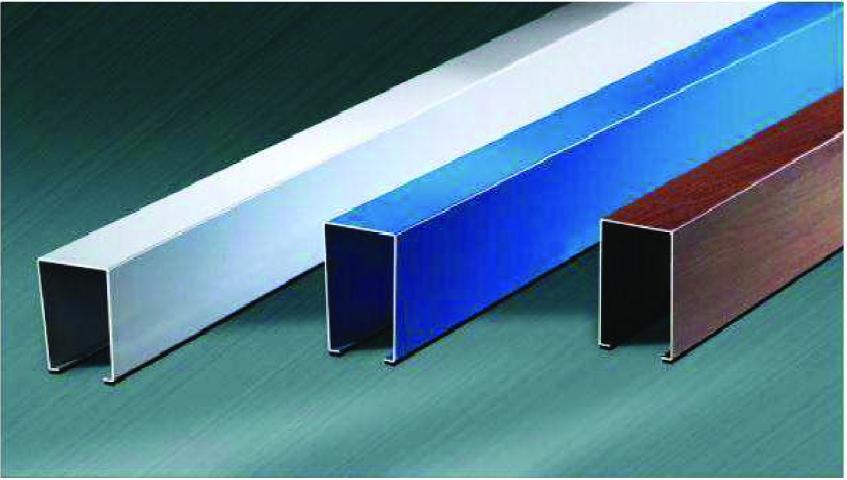
A micro-perforated panel offers a refined, understated elegance. It is the choice for projects where a seamless, monolithic look is desired. Whether used in a linear metal baffle ceiling system or as a large-format metal ceiling tile, it provides a clean, continuous appearance without visual interruption. This makes it ideal for high-end retail, modern corporate lobbies, and spaces where the architecture itself is meant to take center stage.
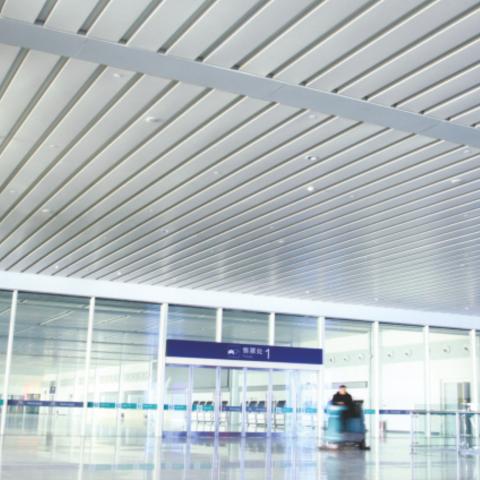
A macro-perforated panel is inherently decorative. It is a statement piece. The patterns can be used to create bold brand statements, reflect cultural motifs, or simply introduce a layer of complex texture. This type of metal false ceiling becomes a focal point, adding drama and personality. It is perfectly suited for spaces like airports, museums, restaurants, and atriums, where creating a memorable visual identity is a key objective.
The Practicalities: Light, Air, and What Lies Above
The perforation size directly affects what happens above the ceiling grid.
Light Transmission: A macro-perforated system, with its larger open area, can allow glimpses of the plenum above. When this space is washed with light, it creates a beautiful "luminous ceiling" effect, with light filtering dramatically through the patterns. A micro-perforated panel largely blocks this view, creating a more defined, solid ceiling plane, though it can still allow for soft, diffuse light transmission.
Plenum Concealment: If the plenum is cluttered with ducts, pipes, and conduits, a micro-perforated aluminium false ceiling is the superior choice for creating a clean, finished look. It effectively hides the messy "guts" of a building from view. A macro-perforated ceiling will reveal the plenum, which may require additional painting or organization to appear tidy.
Air Return: Both systems can be used for an integrated air return for HVAC systems. However, macro-perforated panels, with their higher OAP, are often more efficient for this purpose, allowing for greater airflow without the need for additional, unsightly grilles.
The Verdict: It’s About Application, Not Superiority
So, which metal ceiling solution is better? The decision hinges on your project's primary driver.
Choose a Micro-Perforated Metal Ceiling If:
Your top priority is superior in-room acoustic absorption for noise control.
- You desire a sleek, uniform, and minimalist aesthetic.
- You need to effectively conceal the plenum and its services.
- The project is a corporate office, healthcare facility, library, or high-end retail store.
Choose a Macro-Perforated Metal Ceiling If:
- Your focus is on bold visual impact and decorative patterning.
- You want to create a luminous ceiling effect or have high airflow requirements.
- In-room echo is less of a concern than the overall aesthetic statement.
- The project is a public transit hub, restaurant, museum, or shopping mall atrium.
Ultimately, both micro and macro perforated metal ceiling systems are powerful tools in the designer's toolkit. The sophisticated, performance-driven nature of the micro-perforated aluminium false ceiling makes it a technical workhorse for serene environments. In contrast, the expressive, pattern-led character of the macro-perforated metal baffle ceiling makes it an artistic centerpiece for dynamic spaces. By understanding their distinct strengths, you can specify the perfect metal ceiling perforated solution to meet both the functional and creative demands of your project.