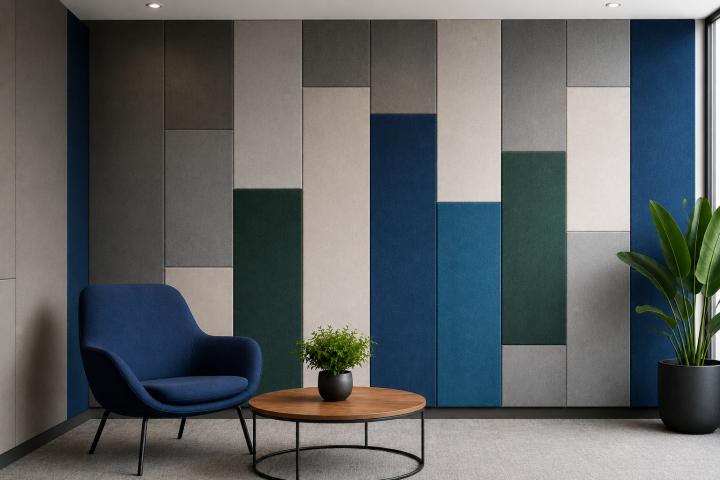
The boxes arrive. The crew unpacks them, the colours look right and the layout drawings are ready. It feels like the moment performance begins. In truth, much of it was settled earlier. Material choice, test data, storage, site conditions and planning all shape how a panel behaves once it's fixed to a wall. That's why acoustic PET panels reward the teams who prepare well. Let's go through the factors.
1. Performance is Built into the Panel
A panel's behaviour comes from how it's made. Fibre type, density, thickness and bonding method all influence how sound enters and loses energy. No installer can add absorption that the board doesn't have. The starting point is the product itself, so the choice deserves serious attention.
2. The Acoustic Brief Comes First
Before comparing products, define what the room needs. Is it echo control, clearer speech or calmer open-plan chatter? A clear goal gives you something to measure every option against. Without one, any datasheet looks acceptable. With one, weak choices stand out quickly.
3. Test Data Shows what to Expect
Reliable PET polyester acoustic panels come with absorption reports from a recognised test method. Look at the laboratory, the date and the sample details. Go beyond the headline number. It averages many frequencies, so request the full breakdown if your room has a specific problem, such as boomy bass or sharp speech reflections.
4. The Tested Mounting should Match Yours
Absorption results depend on how a sample was mounted. Fixed directly to a wall, spaced from it or hung in a ceiling can each give different numbers. Compare the tested setup with the planned one. A figure from a different configuration may not apply on site. This single check prevents many disappointments.
5. Thickness and Density Need Confirming
These two qualities shape performance, weight and how the board can be cut. Ask for exact values and check them against what arrives. Many products come in several thicknesses. Make sure the approved one is the one that gets delivered, because a slimmer substitute can quietly change the result.
6. Sample Approval Prevents Surprises
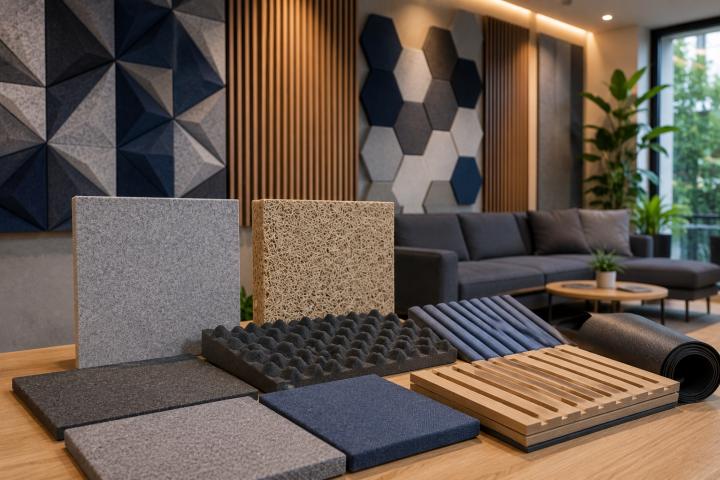
Colour on a screen rarely matches colour in real light. Samples show texture, edge detail and tone under the project's actual lighting. Approve samples in the real space, and keep them for comparison when deliveries arrive. Batch variation is easier to catch when you have a reference.
7. Planning Coverage and Placement
A great panel in the wrong place disappoints. Reflection points, talking zones, ceiling areas and distance from surfaces all influence results. Coverage matters too. A few boards barely shift a lively room, while enough of them make the change obvious. Plan layout on drawings, not on site with the boxes open.
8. Handling and Storage Protect the Product
Panels can be marked, bent or soiled before they ever reach a wall. Dust, moisture and careless stacking cause avoidable damage. Follow the supplier's storage guidance. Keep boards flat, dry and protected, and handle them with clean hands or gloves. Careful treatment keeps edges crisp and faces clean.
9. Site Conditions must be Ready
Walls should be dry, flat and finished to the level the system requires. Wet trades, dusty work and ongoing painting can all harm panels. Check temperature and humidity against the manufacturer's recommendations. Let boards acclimatise on site if advised. A ready site protects both the panel and the schedule.
10. Fixing Method and Substrate Matter
Adhesives, clips, battens and mechanical fixings all behave differently. The right choice depends on the substrate, the panel weight and the design. Confirm that fixings suit the wall and the product. Ask for installation guidance and mock up a small area first. A trial run exposes problems while they're cheap to fix.
11. Compliance and Supplier Support Count
Fire classification can decide whether a product is allowed at all, and requirements vary by location and building type. Review certificates early with your consultants. Also check emissions data, warranty terms and technical support. A supplier who answers questions clearly and shares documents openly makes the whole process safer.
Preparation is where Performance Lives
Pull it together and the picture is clear. Acoustic goals, test data, matching mounting, confirmed specifications, approved samples, planned coverage and careful handling all shape the result before a single panel goes up. The installer's skill matters, but it works within what preparation allows. Treat acoustic PET panels as a system, and the finished room will sound as good as it looks.
Ready to Prepare Your Project the Smart Way?
Great acoustics begin long before installation day. The right guidance helps you choose, plan and approve with confidence. Tranquil Global offers acoustic solutions made for modern interiors. Their team can help you choose the right acoustic PET panels and plan an approach that suits your project.
Contact Tranquil Global today and give your space the sound it deserves.
FAQs
1. Why does acoustic PET panel performance depend on pre-installation steps?
Material quality, test data, matching mounting, correct specification and careful handling all influence results. Installation can protect that performance but cannot add what the panel lacks.
2. What should I check before approving PET polyester acoustic panels?
Review absorption data across frequencies, thickness, density, mounting method, fire ratings and emissions documents. Request samples and confirm they match what will be delivered.
3. Can site conditions affect how panels perform?
Yes. Moisture, dust and poorly prepared surfaces can damage panels or weaken fixing. Follow the manufacturer's guidance on storage, acclimatisation and installation conditions.