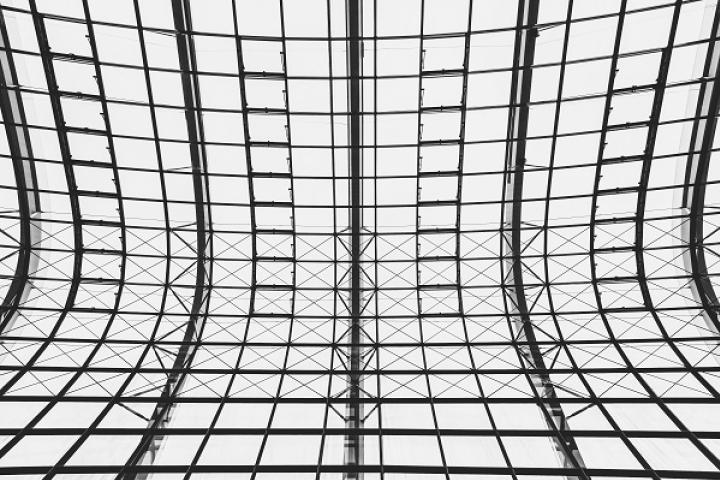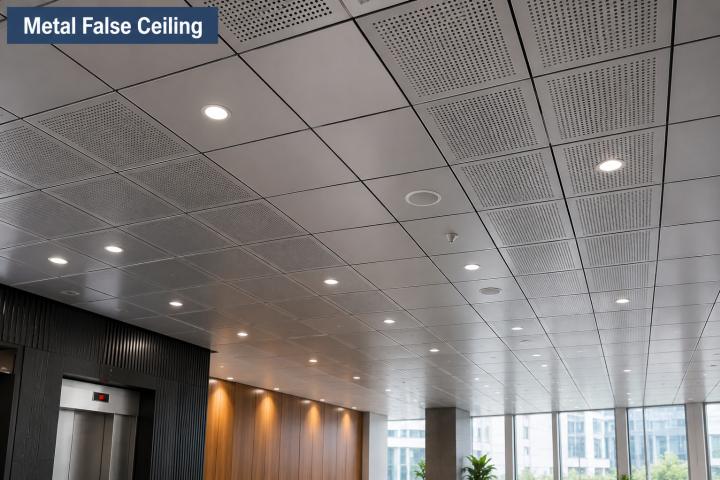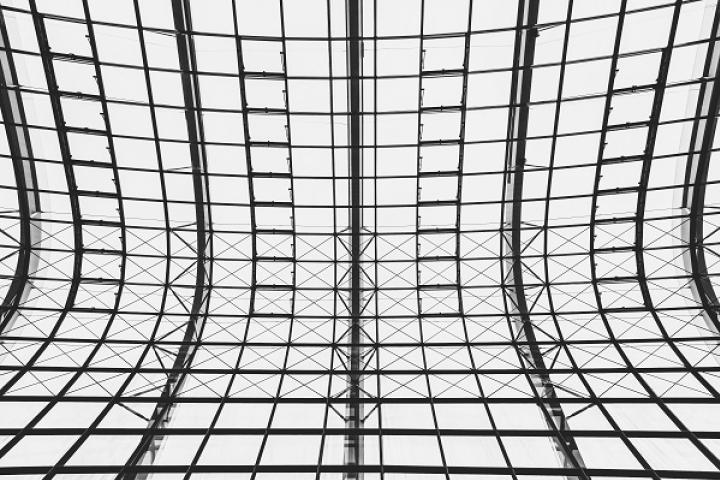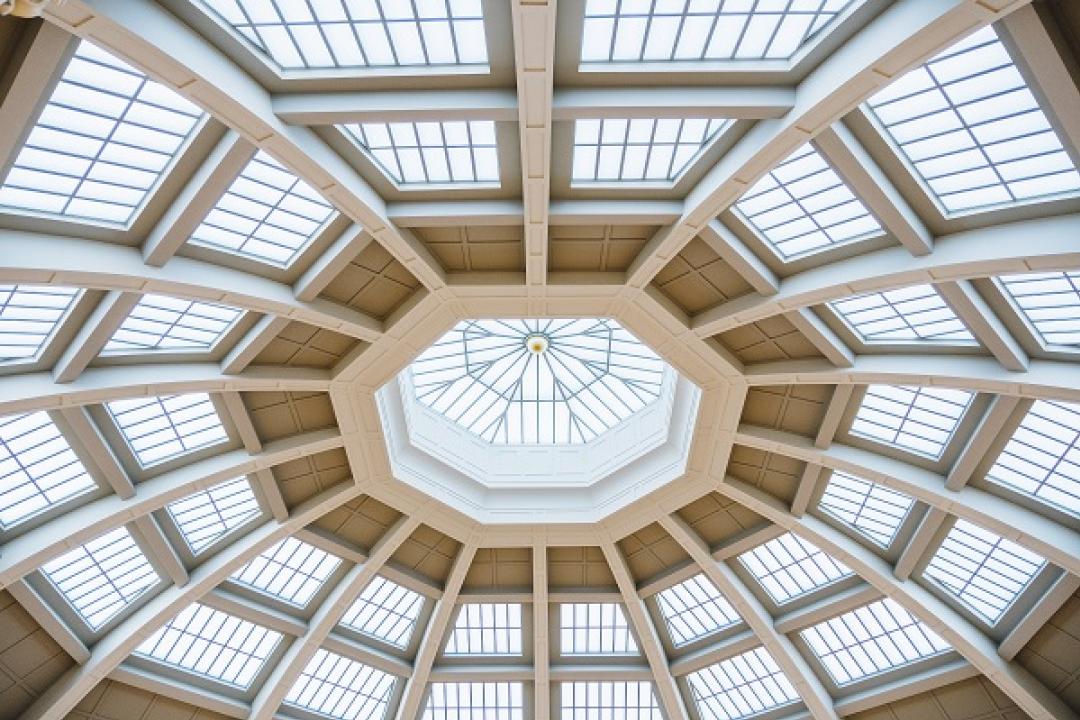
Ever walked into a building and felt pulled forward without knowing why? Chances are that the ceiling has something to do with it. After all, a ceiling can do more than close a room. After all, it can give the room a pace. You've probably felt it in locations ranging from long corridors to busy offices. Repeated lines tug your eye along. Gaps also give it a place to rest.
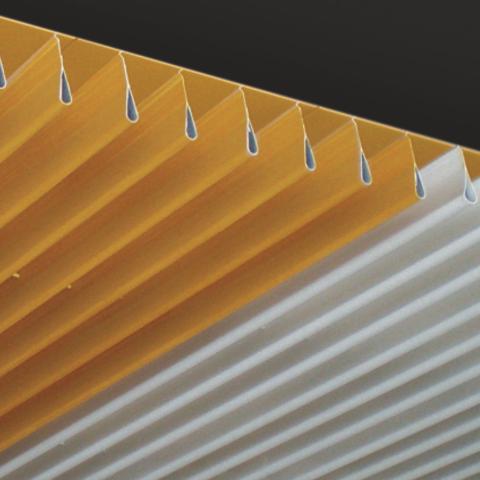
A change in direction can make a space feel wider, longer, calmer, or livelier. This is where a Metal baffle ceiling gets interesting. Sure, the baffles do a job. However, the way they're arranged becomes part of the architecture. After all, it's not really about what hangs from the ceiling. It's about what the pattern does to the room.
Rhythm Starts with Repetition
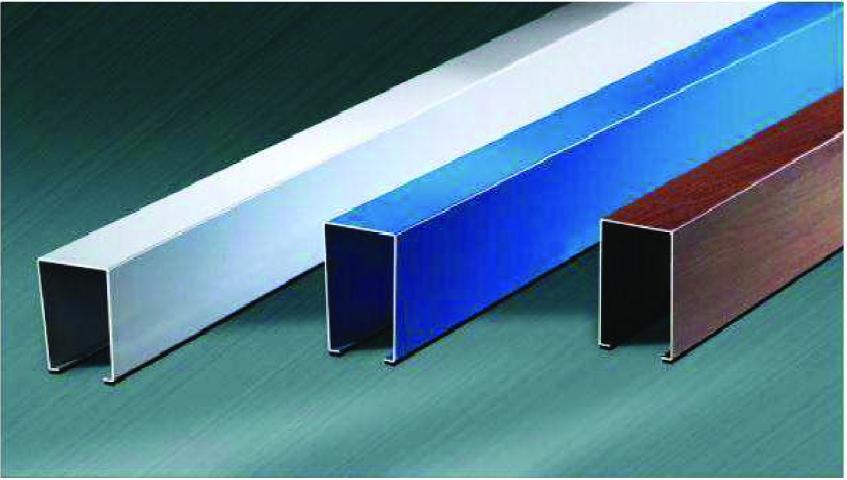
Architects have leaned on repetition forever. Think of columns and floor patterns. The ceiling can borrow the same trick. Line up a row of evenly spaced baffles. Soon, you will get a clear visual beat. Your eye follows it without effort. In a long interior, that beat can back up the natural direction of travel.
Spacing changes the feel, though.
Pack the baffles close. You will see that the ceiling turns bold. Now, open up the gaps. You will feel that it's airy. Try shifting the density in one spot. You will see that people's attention drifts there. Tiny tweaks can make a big difference.
A Ceiling that Quietly Shows the Way
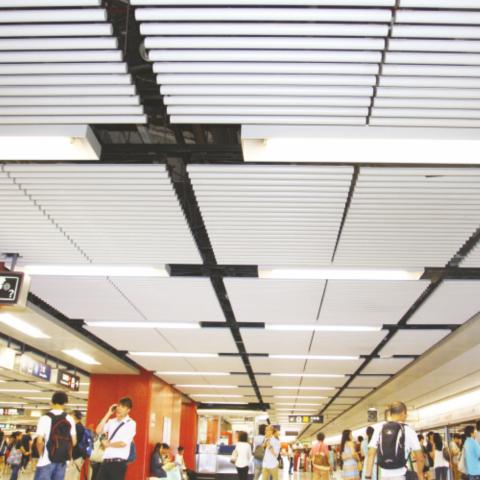
Picture a long entrance lobby. People walk in at one end. Soon, they head for the reception. A run of linear baffles can follow that path. So, rather than looking like a random feature, the pattern gives the space a sense of direction smoothly. The same goes for a corridor, a store, or a big workplace.
The ceiling won't tell anyone where to walk. It just makes the route easier to read. That's what good architectural rhythm does.
Why Metal Works so Well
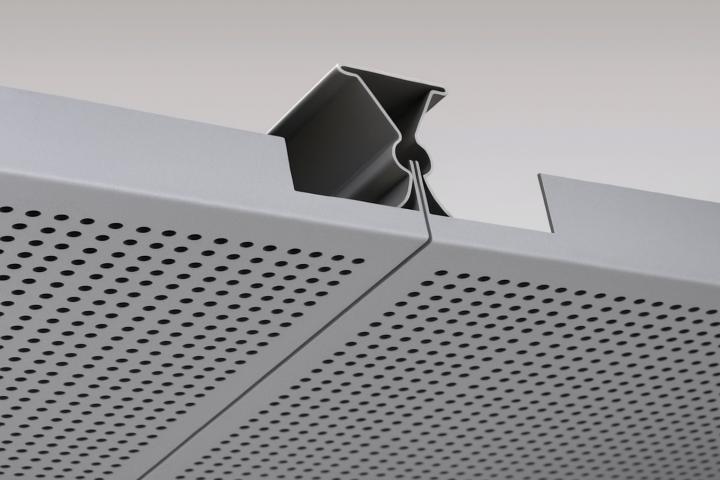
The material shapes the pattern. Metal ceiling panels have a crisp, and clean character. Edges stay sharp. Surfaces look tidy even when the layout gets complicated. That's handy when a design calls for precision. A soft, restrained finish keeps the ceiling in the background.
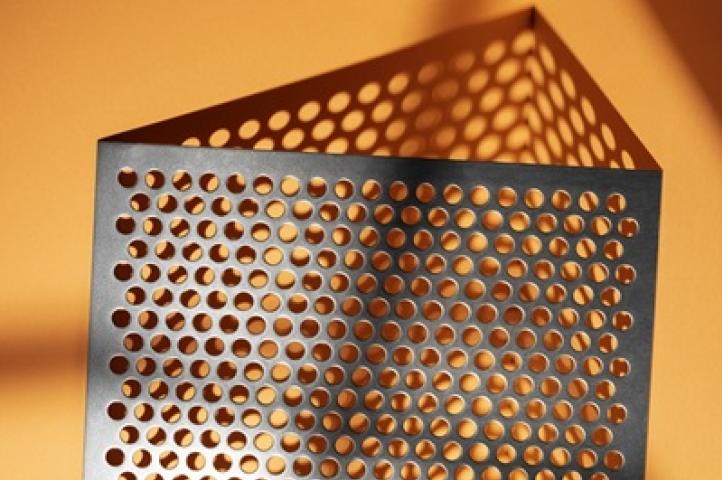
A stronger one lets it take centre stage. Perforations add one more layer. They let the ceiling help with sound while keeping that unmistakable metal look. And it doesn't have to feel industrial. That all comes down to the detailing.
Exposed Ceilings Need a Little Order
Open interiors are everywhere now.
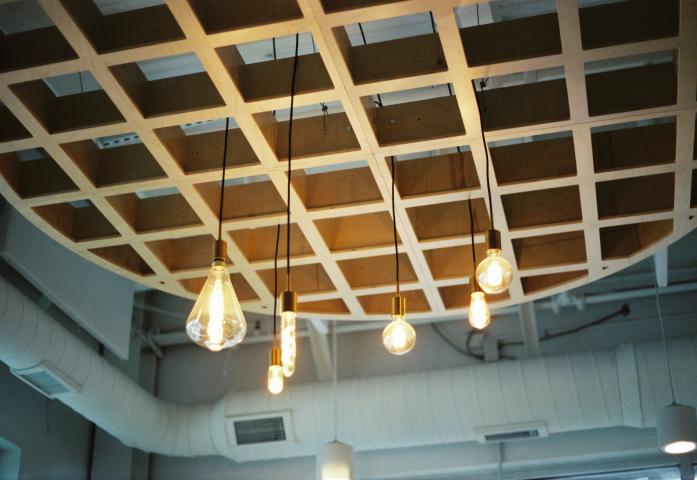
They feel flexible, show off the services, and give a room real volume. However, too much going on overhead can look messy fast. Lights sit next to air outlets. Sprinklers sit next to speakers. Cables and ducts all fight for attention. A baffle system brings some calm to the chaos.
The repeated elements form a visual frame. Plus, the services can be arranged around it instead of floating about as unrelated bits. The ceiling goes from merely exposed to properly designed.
Dividing a Room without Building Walls
An open plan doesn't mean every corner has to look the same.
Take a workplace. It might have team areas and walkways. The floor stays open. The ceiling can still tell these areas apart. Turn the baffles a different way to mark a transition. Run a denser layout over a shared space. Keep the pattern simple above the walkways.
It's zoning in a quiet voice, with no partition needed.
Read to know more about metal baffle ceilings here: Think Metal Baffle Ceilings are just for Looks? Wait till you read the Specs!
Another Option: Aluminium
Aluminium ceiling tiles bring a different mood overhead. They support clean lines and plenty of finishes, and they cope well with busy commercial settings. Tiles and baffles aren't interchangeable, of course. Tiles give you a smooth, continuous ceiling. Baffles add gaps, depth and a stronger sense of beat. Which one wins depends on what the space is trying to say.
Don't Forget the Sound
There's a practical side to all this too. Big open rooms usually have lots of hard surfaces. Sound bounces around. Conversations blur together. Background noise creeps up. A well-planned ceiling can take the edge off those reflections. With the right build, baffles can deliver visual rhythm and sound absorption at once.
So the pattern overhead isn't just decoration. It helps decide how comfortable the room feels.
Perfect Symmetry isn't the Goal
Many people assume rhythm means identical repetition.
It doesn't. A designer can vary the lengths, play with the gaps, mix up the heights or shift the direction. That makes the pattern livelier. However, there should be a reason behind each change. Furniture layouts can supply one. Lighting can supply another. So can circulation or acoustics.
When these pieces line up, variety feels purposeful rather than random.
The Best Ceilings are Felt, not Noticed
Nobody walks into a building and says, "Wow, that ceiling has great rhythm."
They just sense that the space works. It feels organised. The route feels obvious. The proportions feel right. The ceiling never overpowers the room. That's the charm of architectural rhythm. It works quietly. Very soon, you notice the result more than the method.
Making Ceiling Design More Intentional with Tranquil Global
At Tranquil Global, ceilings are treated as part of the bigger architectural idea. They are not treated as stand-alone products. Whether a project calls for aluminium ceiling tiles, the layout should respond to the room. It should serve the experience that the designer has in mind. After all, a ceiling doesn't need to shout to shape a space. Sometimes it just needs a good rhythm.
FAQs
1. How does a Metal baffle ceiling create rhythm?
Repetition sets the basic beat. Designers then adjust spacing, direction, height, and density to change how the ceiling comes across.
2. Can metal ceiling panels contribute to acoustic comfort?
Yes, in many cases. With the right build and acoustic backing, perforated metal panels can absorb sound while keeping a clean, architectural look.
3. What is the difference between baffles and aluminium ceiling tiles?
Tiles usually form a more continuous overhead surface. Baffles hang individually. All of this creates visible gaps and more depth.