What comes to your mind when you think of acoustic material? For many, it’s those clunky, industrial foam squares from a recording studio in the 1990s. However, the world of sound management has undergone a quiet revolution. Today’s acoustic sheet material and broader range of acoustic treatment materials are smarter. Along with being smart, they are sleeker and more powerful than ever.
After all, these innovations are not just for musicians and engineers anymore. They're for anyone who wants to reclaim their sonic space. This can include any space whether at home or in the office. So, let’s pull back the curtain on six things you probably didn’t know about these modern marvels.
1. It’s a “Sponge for Sound,” Not a Soundproof Wall
This is the most common misconception, and it’s a crucial one to clear up. Acoustic sheet material is designed primarily to absorb sound reflections within a room. It is not made to block sound from traveling between rooms.
The Analogy
Think of an echoey room as a giant, hard-surfaced basketball court. Every sound is a ball that just keeps bouncing and bouncing. Acoustic material acts like a team of players catching those balls. They stop the relentless bouncing (the echo and reverberation). This helps in creating a calmer and quieter internal environment.
True soundproofing, on the other hand, is like building a thicker, heavier wall around the entire court to keep the noise of the game from reaching the neighbors. They are two different solutions for two different problems. Most acoustic treatment materials are the "catchers," not the "wall builders."
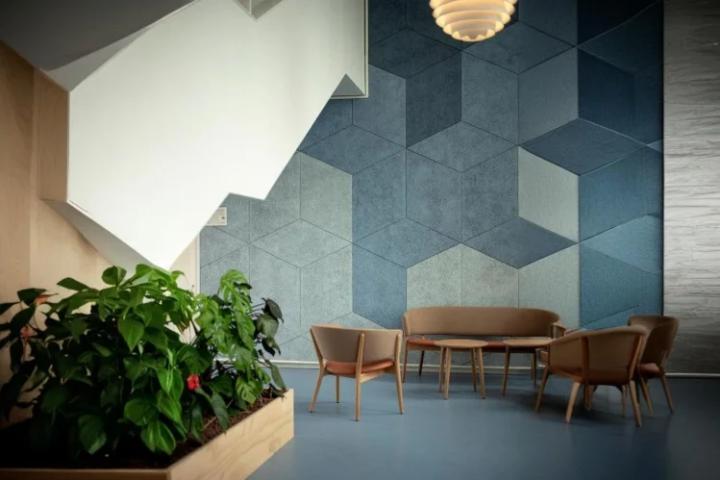
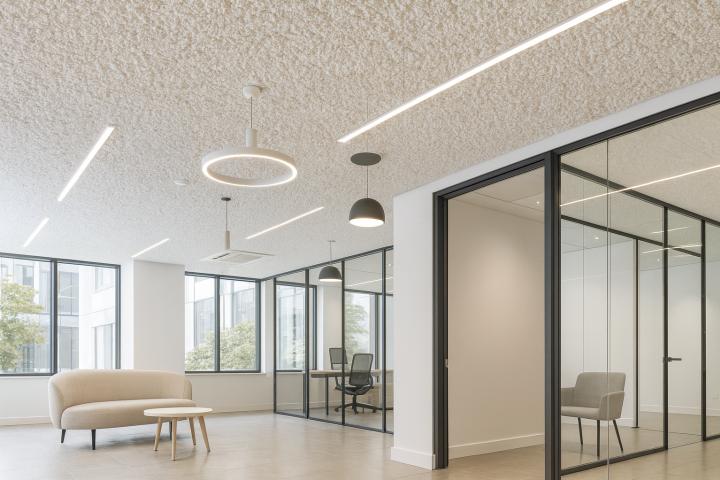
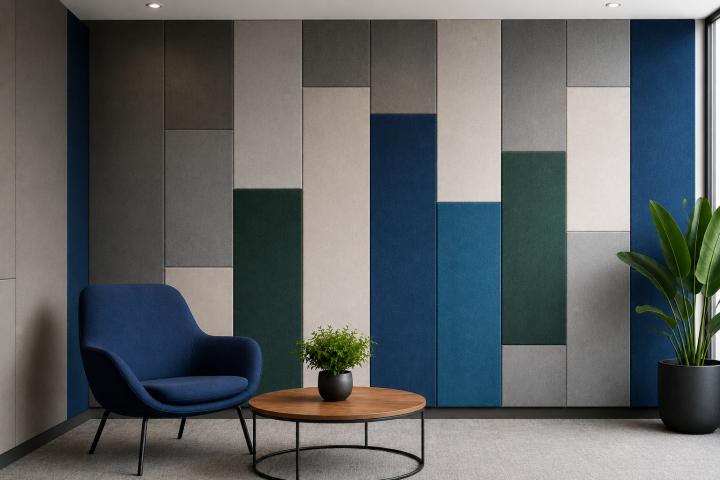
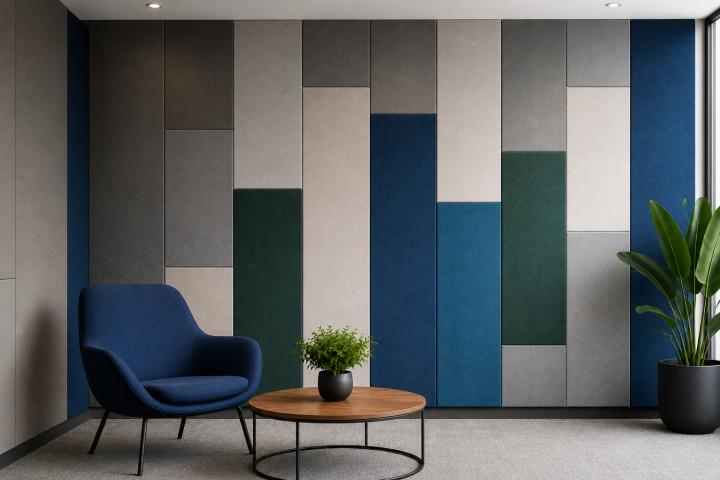
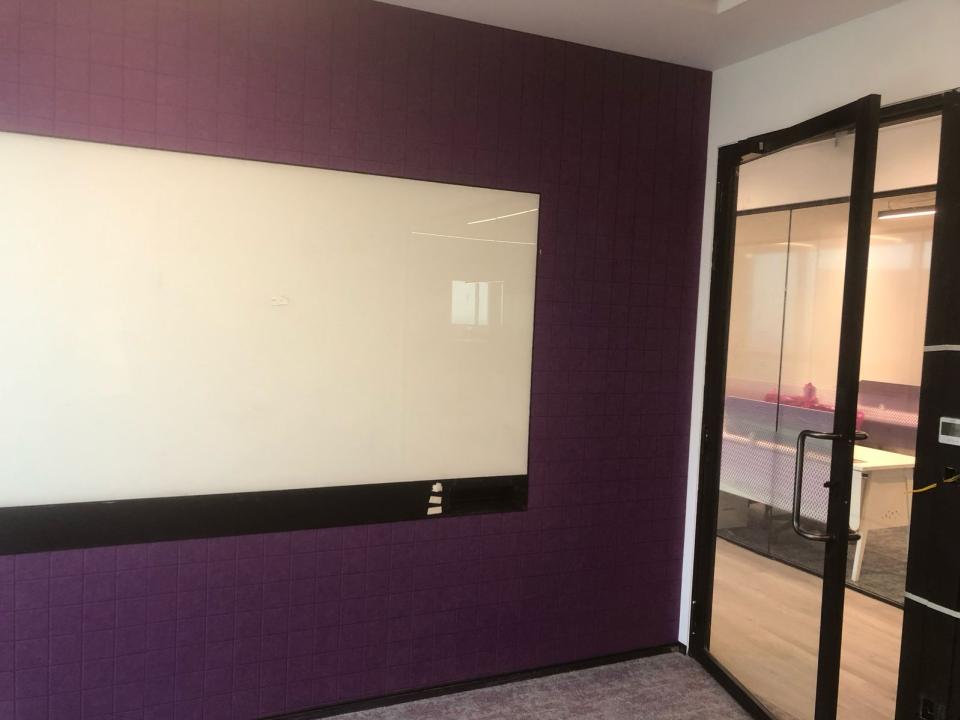
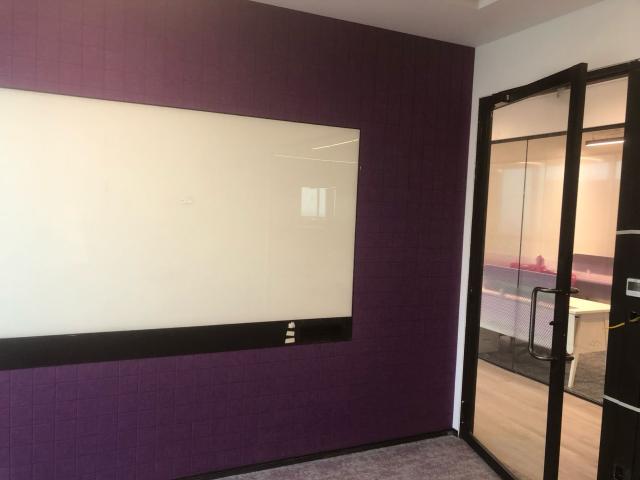
2. It Comes in Disguise!
Gone are the days when you had to sacrifice >
Understanding it Easily
Purchasing acoustic sheet material today is like buying a premium mattress. You never have to see the complex springs and foam inside because it’s wrapped in a beautiful, comfortable, and customizable textile that fits your bedroom’s decor. The performance is hidden within a design element. Your acoustic panels can be a focal point or fade seamlessly into your wall. The choice is entirely yours.
3. The Secret Isn’t Softness, but Porosity!
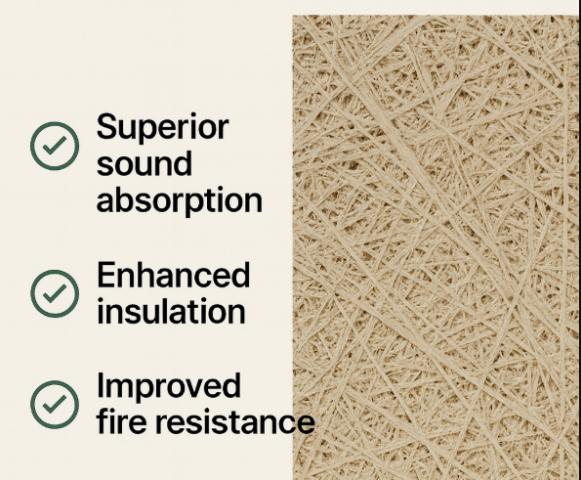
You might assume that the fluffier and softer a material is, the better it absorbs sound. Not necessarily. The real magic of effective acoustic material lies in its porosity. Sound waves are energy, and they need to travel into tiny pores and passages within the material. As they frictionally rub against the intricate internal structure, their energy converts to negligible amounts of heat, effectively vanishing.
Seeing the Point
A fluffy teddy bear might feel soft, but it’s not very porous. A rigid brick of porous lava rock, however, is an excellent example. It’s full of nooks and crannies that trap and dissipate energy. Similarly, high-performance acoustic treatment materials like specialized open-cell foams and mineral wool boards are engineered to be incredibly porous. This helps to make them far more effective at "trapping" sound energy than a simple piece of cloth.
4. It Can Actually Boost Your Productivity and Well-being
We often focus on the acoustic benefits of music or movies, but the impact on our cognitive function is profound. Unwanted noise, like the hum of traffic, a distant conversation, or the ping of a notification, is a major source of mental fatigue. By strategically using acoustic sheet material to dampen these distractions, you reduce your brain’s cognitive load.
Catching on Fast!
Your brain in a noisy environment is like a computer with too many programs running in the background. It slows down, overheats, and struggles to focus on the main task. Applying acoustic treatment materials is like closing all those background applications. It frees up your mental RAM. This allows you to concentrate better and reduce stress. This helps you to be significantly more productive and creative in your space.
5. Thicker Isn’t Always Better; It’s About the Frequency
It seems logical: a thicker panel must be better, right? The truth is more nuanced. The thickness and density of acoustic sheet material are tuned to target specific sound frequencies. Thicker, denser panels are excellent at absorbing low-frequency sounds (like the rumble of a subwoofer or distant traffic). Thinner, lighter panels are perfectly capable of handling mid-to-high-frequency sounds (like speech, clattering dishes, or television dialogue).
Understand it Better!
Think of sound frequencies as different types of fish. You wouldn’t use the same net to catch a massive tuna (low frequency) and a small sardine (high frequency). You need a large, strong net for the big one and a smaller, finer net for the others. A comprehensive acoustic strategy uses a variety of acoustic treatment materials, bass traps (the tuna nets) in the corners, and thinner panels (the sardine nets) on the walls. All of this is done to catch the entire spectrum of unwanted noise.
6. It’s a Green Choice
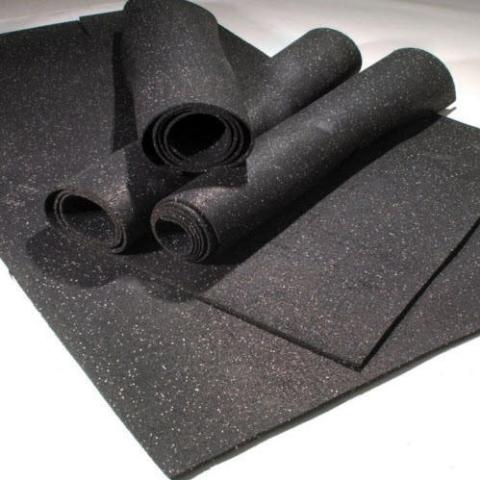
The world of acoustic treatment materials has enthusiastically embraced sustainability. Many of the most effective products on the market today are made from recycled and eco-friendly materials. You can find high-performance panels made from recycled plastic bottles, reclaimed cotton denim, sustainable wool, and even mushrooms!
The Analogy
Choosing modern, green acoustic material is like choosing an electric car over a gas guzzler. Both get you where you need to go (sound control). However, only one does it with a clear conscience. This is obtained by using recycled and sustainable resources that lower your environmental footprint. You’re not just making your home sound better; you’re making a smarter choice for the planet.
The Final Page
The humble acoustic sheet material has graduated from a niche studio product to an essential element of modern interior design. It’s a sophisticated blend of physics, art, and wellness that can transform any chaotic, noisy room into a sanctuary of clarity and calm. By understanding these six points, you’re now equipped to make informed decisions. Thus, you can now unlock the full, hidden potential of your space’s soundscape.
If you want to gain more insights into acoustic sheet material, then contact Tranquil Global today.